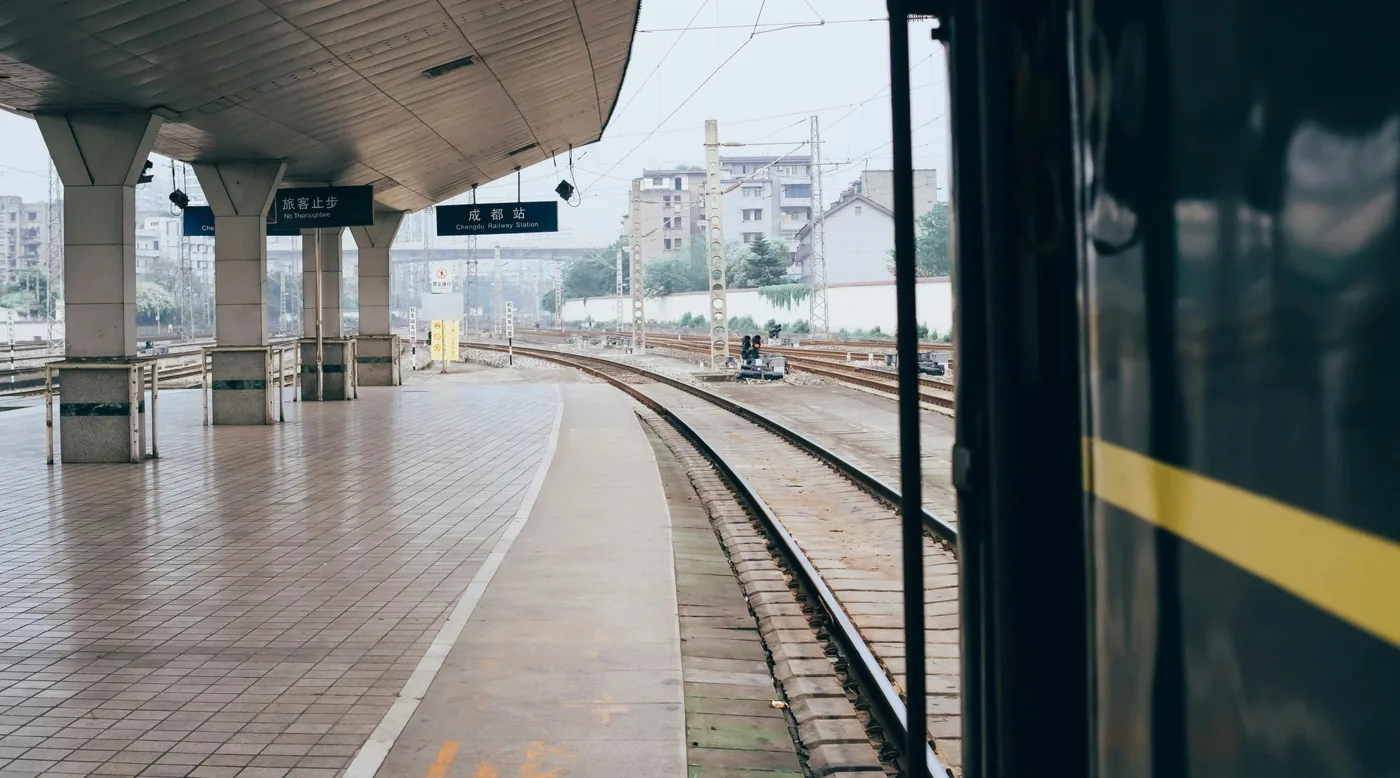
When China gets cheaper, the itinerary is often getting better, not worse. A station hall that had been a wall of backpacks can suddenly show floor tiles again once the holiday rush passes. A hotel desk that was moving passports by the stack now has time to answer a question. That is the window this...Read More
It is just past eleven at night at London Heathrow when a couple rolls their cases up to the Air China desk. On paper their China tour has not started — the brochure says Day 1 is tomorrow afternoon in Beijing. Their bodies disagree: Day 1 began the moment they handed over their boarding passes,...Read More
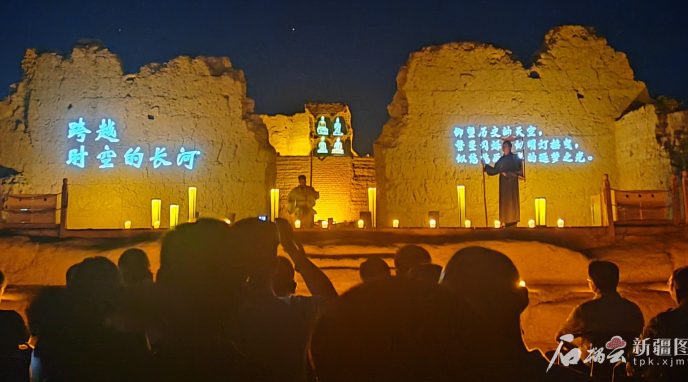
At the end of a Turpan [TOOR-pan] day, when the heat finally begins to leave the ground, Jiaohe Ancient City stops reading like a ruin and starts reading like a stage set. Jiaohe Ancient City [JEE-ow-huh] (交河故城, the 2,000-year-old Silk Road fortress outside Turpan) sits on a flat plateau between two river valleys. That shape...Read More
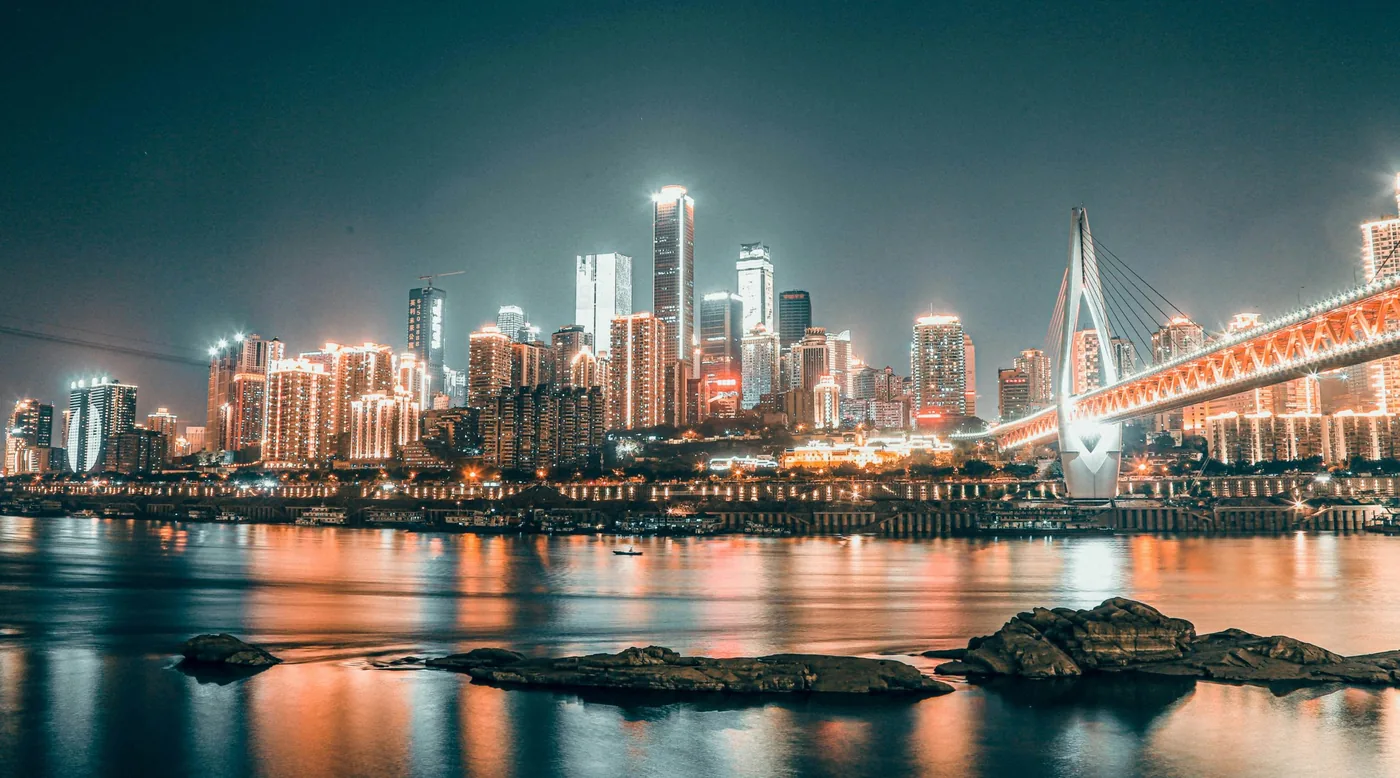
At seven in the morning in Chengdu, a man in a white undershirt is already in his bamboo chair, lidded tea bowl beside him, mahjong tiles clicking. Three hundred kilometers east in Chongqing, a porter is hauling a refrigerator up a hillside staircase on a bamboo pole. Both cities share peppers, dialect, and mahjong —...Read More
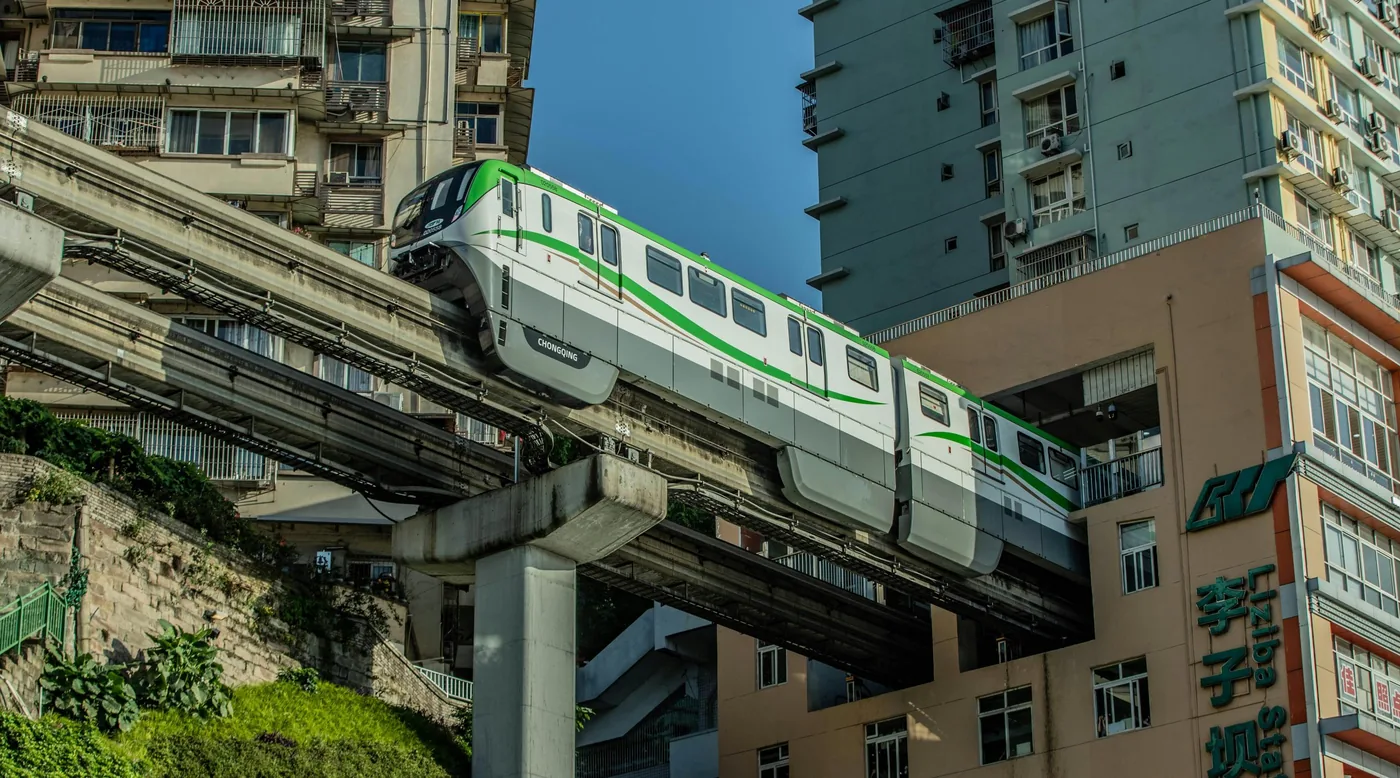
At Liziba in Chongqing, phones are already up. A few hundred people crowd the viewing platform, all facing the same 19-storey apartment block — then a Line 2 monorail slides out of the eighth floor on rubber tires, almost silent, while laundry hangs on the balconies above. The crowd reacts the same way every time:...Read More
In 1718, the Qing court stationed a thousand soldiers in Chengdu [CHUNG-doo] and forbade them from doing any civilian work. So they drank tea, raised songbirds, and perfected doing nothing productive — and the garrison lanes now known as Kuanzhai Alley are where it all started. Kangxi Sent Soldiers. Chengdu Got a Lifestyle. The story...Read More
At 7:15 on a Wednesday morning, the crowd outside the South Gate is already three hundred deep. Parents wrestle strollers into position, selfie sticks telescope upward, and a child on someone’s shoulders shrieks the moment the first panda appears twenty metres away, chewing bamboo sideways with the focus of someone who could not care less...Read More
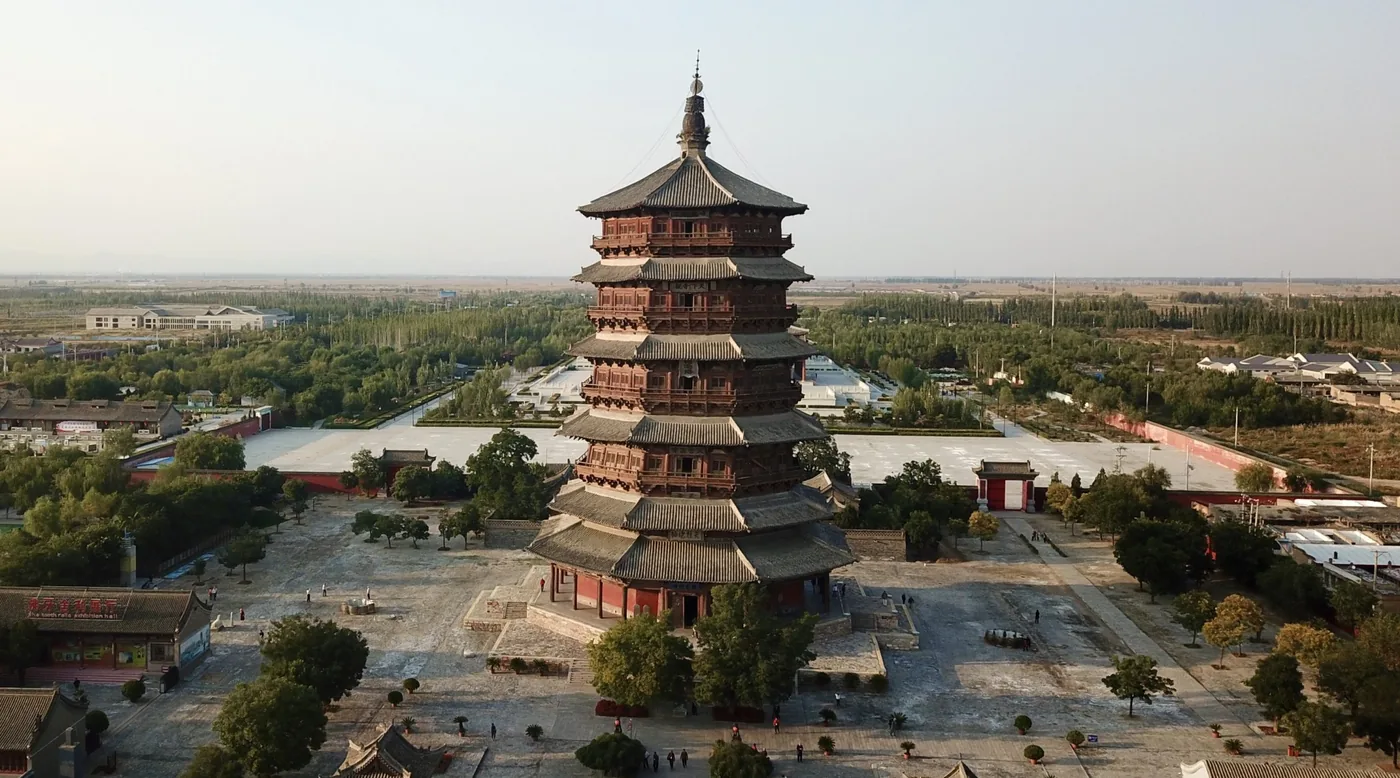
Shanxi matters because it preserves a timber world, not just a few old-looking buildings. The province turns Chinese architecture from image into structure and survival into something visible.Read More
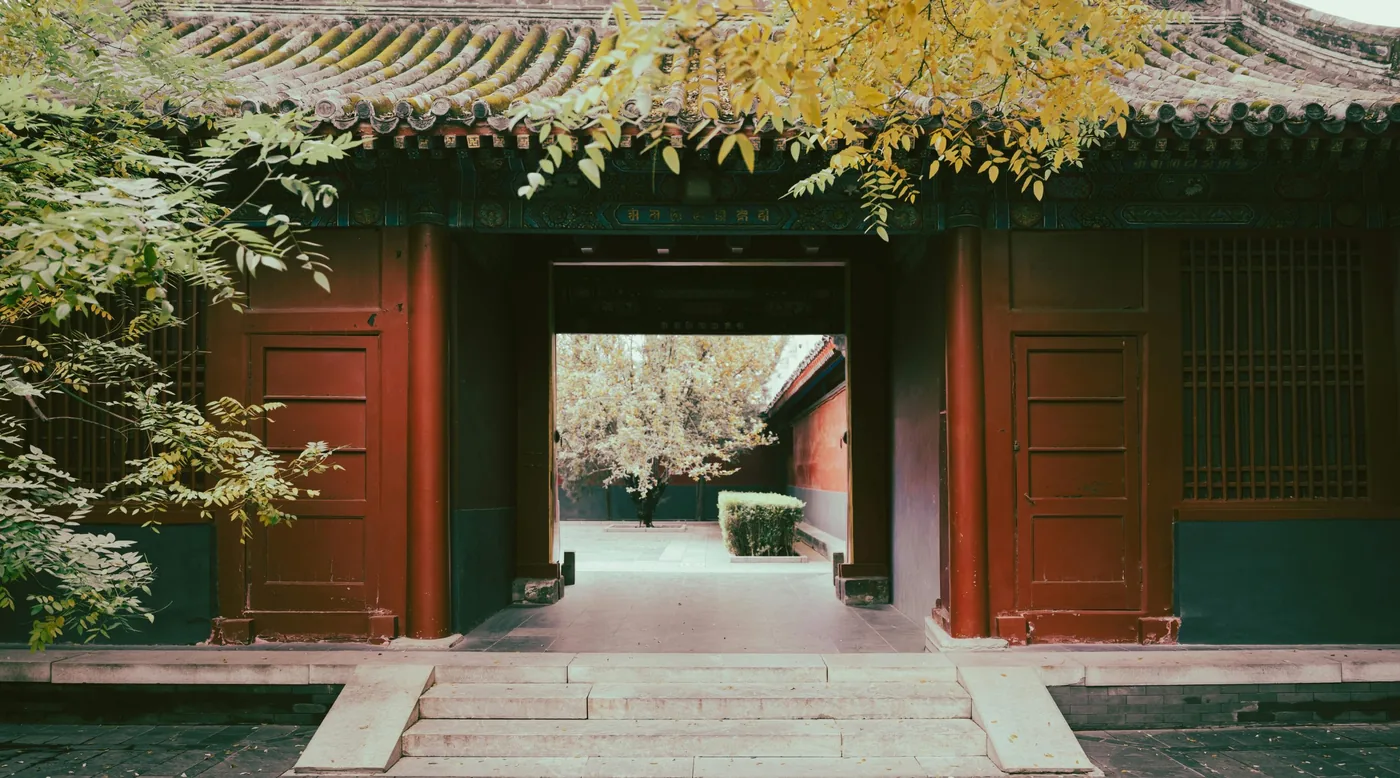
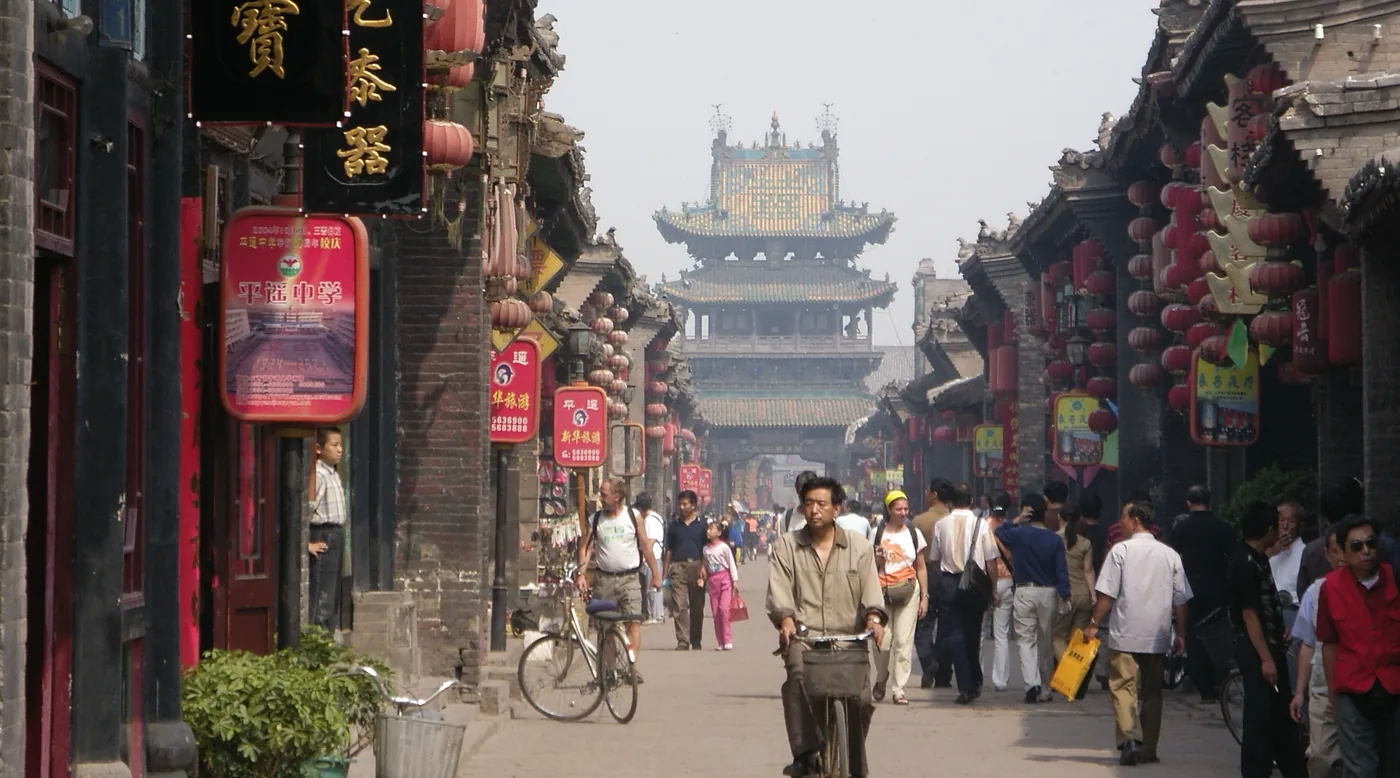
Shanxi preserves more than monuments. Its temples, banks, compounds, passes, and city gates still read as parts of one social world, making old China feel spatial instead of abstract.Read More
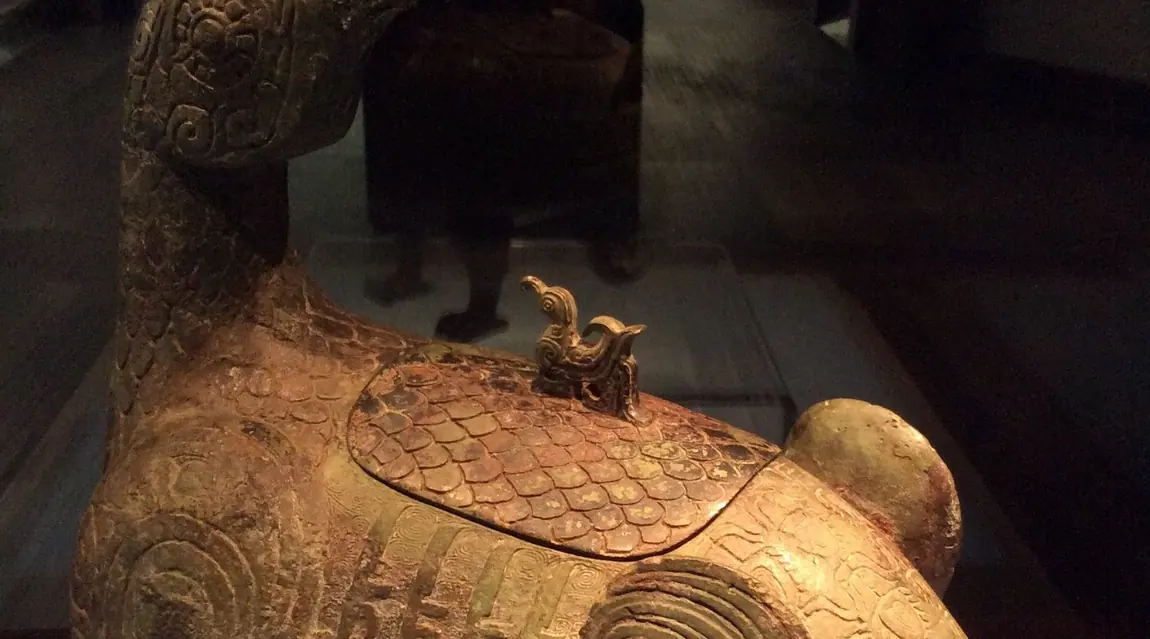
Shanxi Museum is not just pre-trip homework. Its bronze vessels, sculpture, and historical displays make the rest of the province easier to read, from Yungang Grottoes and Jinci Temple to Pingyao Ancient City.Read More