

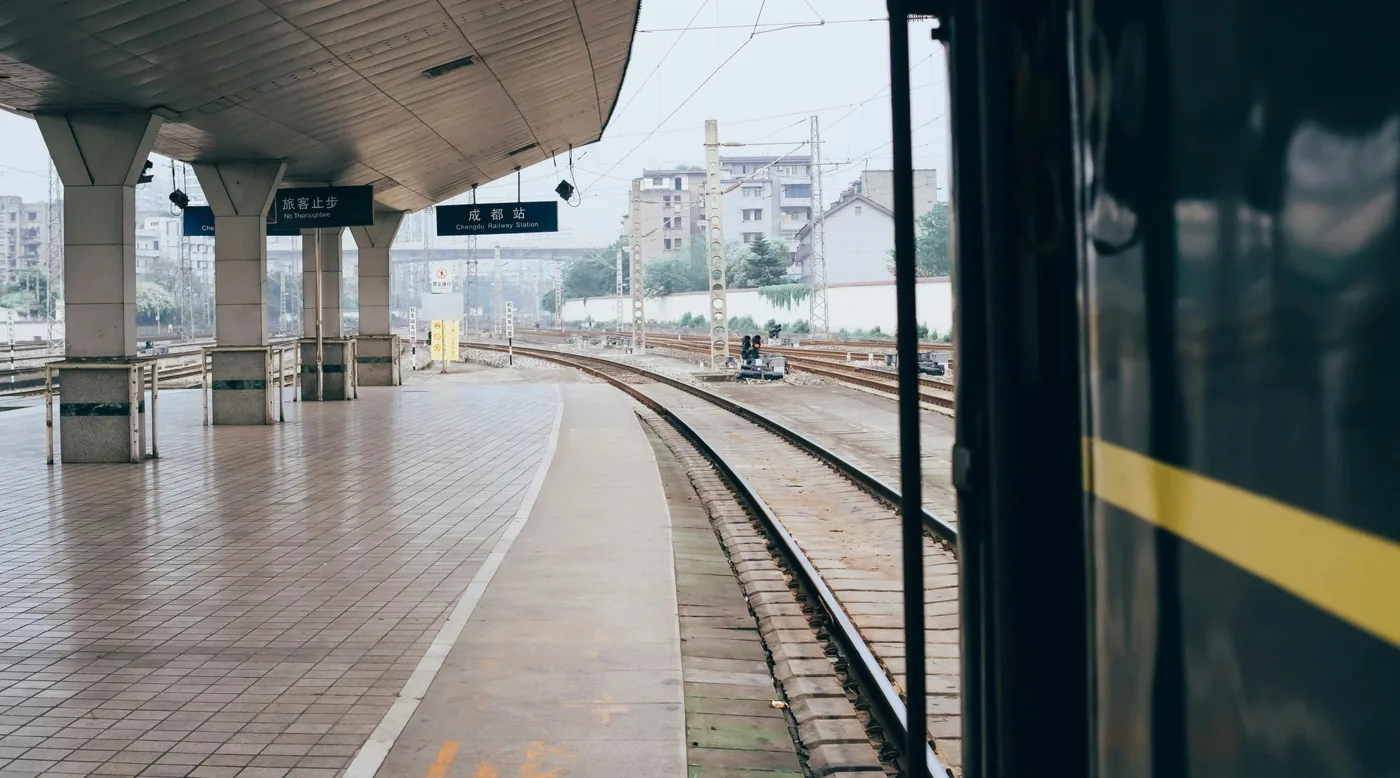
When China gets cheaper, the itinerary is often getting better, not worse. A station hall that had been a wall of backpacks can suddenly show floor tiles again once the holiday rush passes. A hotel desk that was moving passports by the stack now has time to answer a question. That is the window this article is about: not the absolute lowest fare, but the point where the calendar eases and the trip does too.
China is not one season and not one kind of bargain. Lonely Planet notes that spring and autumn are generally the best times to be on the road, while winter is often the quietest time of year except in Hainan. That matters because the cheapest itinerary is not automatically the best one; the best one is the one that lands after the pressure has lifted but before the trip starts paying for it in weather, closures, or awkward routing.
Price Drops Are a Calendar Signal, Not a Quality Warning
The cleanest discounts in China usually come from timing, not from the trip itself being compromised. Once a major holiday wave passes, demand stops behaving like a stampede. The same train route, hotel category, or city break can look very different when people are no longer trying to leave and return on the same few days.
That is why the first question is never “How cheap is it?” The first question is “Cheap relative to what?” If the itinerary sits just after a peak, the discount is often a sign that the trip is settling into a quieter rhythm. If it sits in the middle of a holiday crush, a lower price may simply mean you are buying the same congestion more efficiently.
Spring Festival, May Day, and National Day
China’s official holiday calendar makes the pressure points easy to see. Spring Festival is the biggest family travel surge of the year. May Day and National Day are the other two moments when rail, hotel, and attraction demand tighten hard enough that normal pricing stops being normal.
The May Day travel rush is a good example. China Railway said the 2025 rush would run from April 29 to May 6, with peak passenger flows expected on May 1. That kind of concentration is exactly why the days before and after the holiday can turn into better travel values: the same country, the same routes, but far less crowd pressure once the rush breaks.
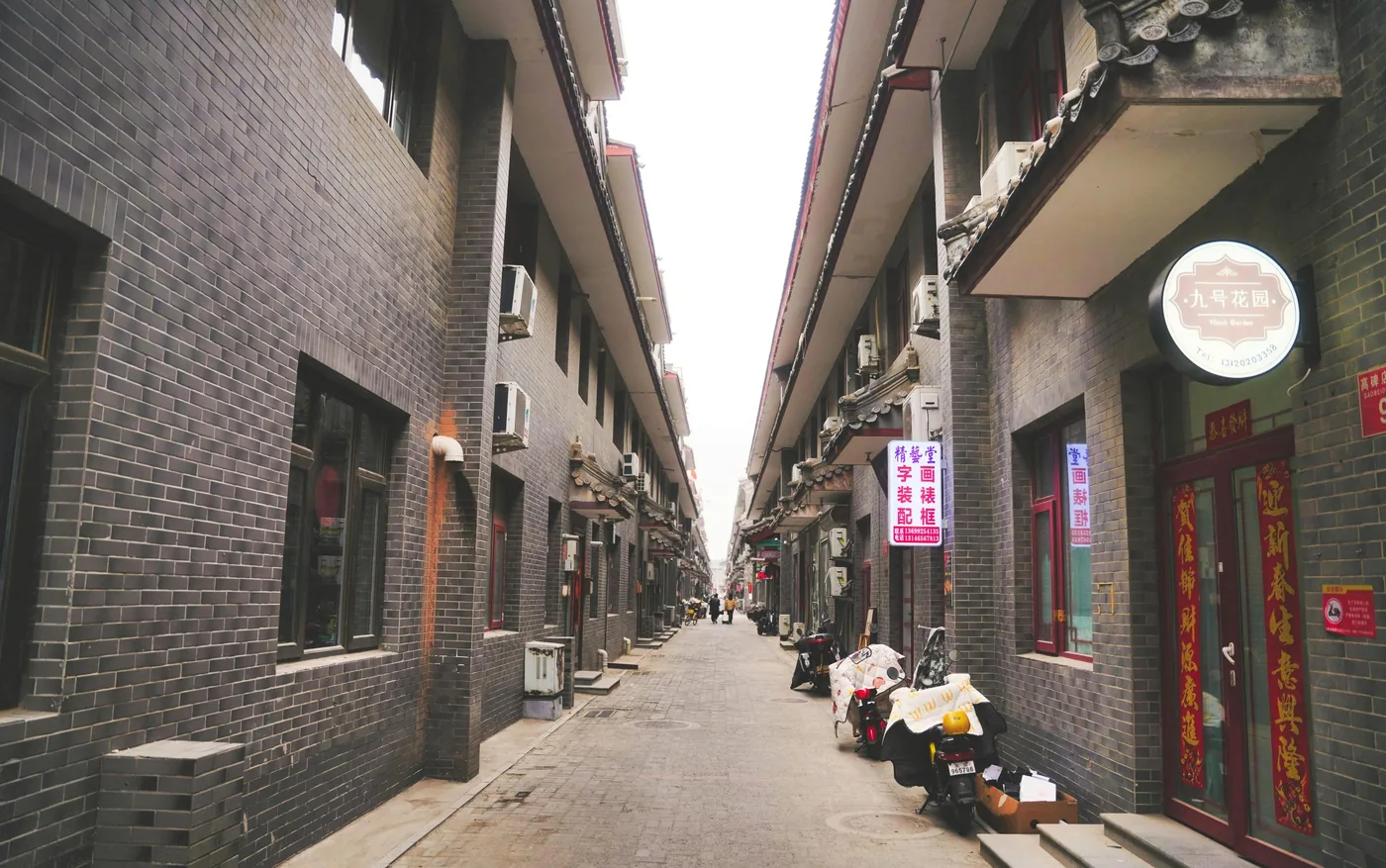
China Daily described the post-holiday effect plainly after the eight-day National Day and Mid-Autumn break: travelers were prioritizing lower prices, thinner crowds, and milder weather; average airfares had fallen by nearly 30 percent; and five-star hotel rooms that had been priced above 1,000 yuan a night were back under 400 yuan. In other words, the lower fare was not hiding in a worse trip. It was hiding in a calmer one.
Shorter Queues, Easier Tickets, Calmer Hotels
The practical difference shows up almost immediately. Tickets are easier to find. Hotel inventory stops feeling brittle. In a Beijing [bay-JING] station hall, the floor tiles that disappeared under a holiday crush show through again, and the departure board stops feeling like a countdown clock. Hotel lobbies work the same way: more chairs, less queue, more time for the desk staff to answer the question you actually came to ask.
That change matters more than people sometimes expect. A China itinerary is not only about what you see; it is also about how much friction the movement between stops creates. When that friction drops, the trip starts giving some energy back. You spend less time solving for scarcity and more time deciding what to do with the day.

The road feels different too. A city that seemed overfull during a holiday peak can become legible again once the rush has passed. Streets are still busy, trains still run, and attractions still draw people. But the pace changes enough that the trip can start feeling like movement instead of queue management.
The Fare Drop That Pays You Back
The best discount is the one that lines up with a shoulder window or a clean post-holiday departure. That is when the price falls for a reason that benefits the traveler: fewer people competing for the same seats, the same rooms, and the same sights.
That does not mean every lower fare is automatically a win. Weather still matters. Some routes are better when the air is milder and the light is kinder. A discount is only a real bargain if the trip still works once the price is out of the way.
So the useful rule is simple. If the lower fare arrives because the holiday crush is over, the trip may actually improve as it gets cheaper. If the lower fare arrives because the dates are awkward, the weather is rough, or the routing is inconvenient, the price is doing more work than the itinerary deserves.
Three Checks That Separate a Real Bargain from a Calendar Trap
- Does the date sit just after Spring Festival, May Day, or National Day, when the crowd pressure has already started to fade?
- Can you move the trip by a day or two if the better fare sits on the edge of the window?
- Does the weather still suit the route well enough that the lower fare is buying comfort, not compromise?
If the answer to all three is yes, you are probably looking at a real timing opportunity rather than a calendar trap. That is also why this kind of bargain suits travelers who care about comfort as much as cost. If you want the absolute cheapest thing on the market, you will sometimes accept the worst timing. If you want the better trip, you watch for the moment when the prices soften because the country has relaxed, not because the itinerary has degraded.
If you want a route that rewards the quieter window, Beijing & Shanxi · Imperial Capital & Ancient Heartland – 10 Days 9 Nights turns that timing logic into a real itinerary, with private airport transfers and a high-speed rail leg between Jiexiu and Beijing.
The Best Bargain Arrives When the Crowds Leave
That is the whole logic. In China, a cheaper itinerary is often the one that lands after the queues, after the surge pricing, and after the holiday churn. The station is easier to read. The hotel desk is less frazzled. The city has more room in it again.
The best bargain is not always the lowest number on the screen. Sometimes it is the itinerary that gets cheaper at exactly the moment the trip starts feeling better.