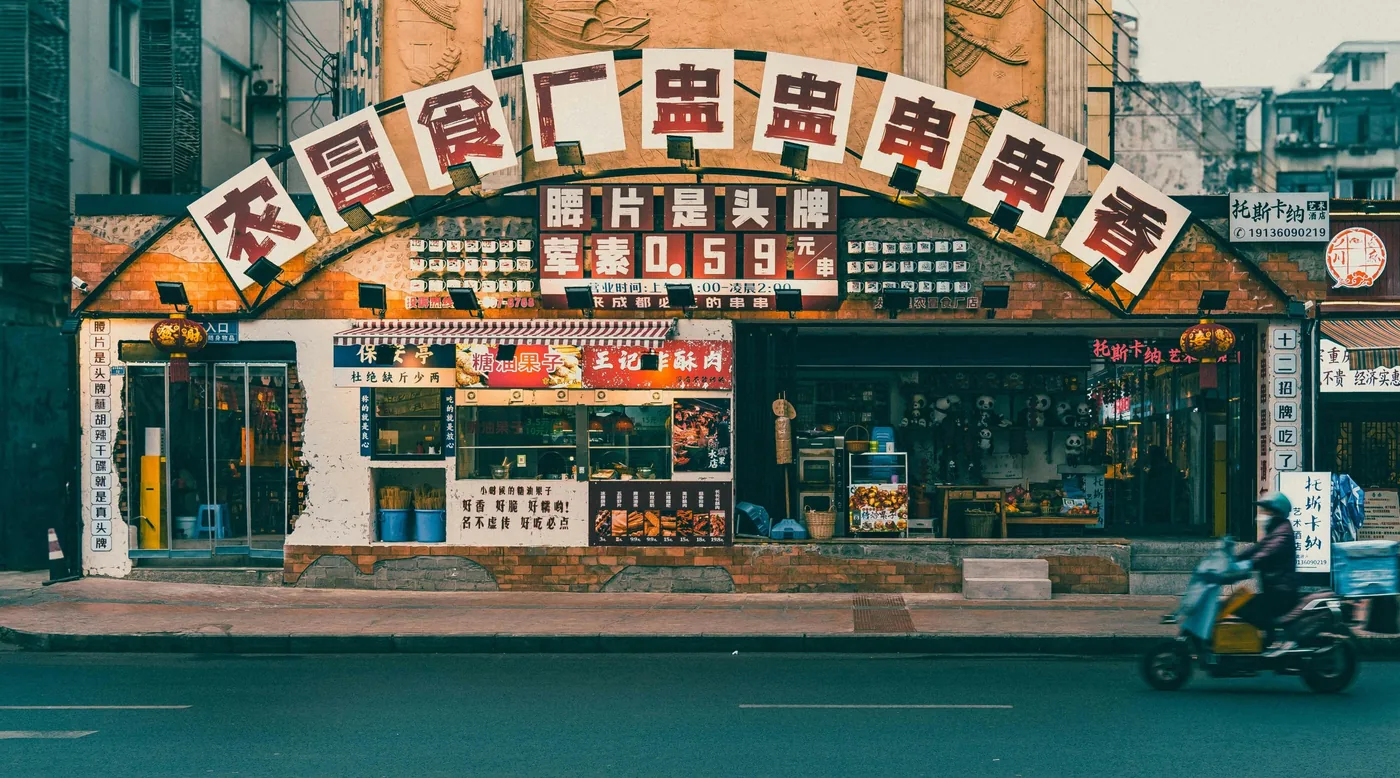
No sign out front. Plastic stools on the sidewalk, a handwritten menu taped to a greasy wall, and a line of people in office clothes waiting for a table that seats four. Your instinct says keep walking. Every local’s instinct says sit down. The Insult That Became a Recommendation The name alone should stop most...Read More
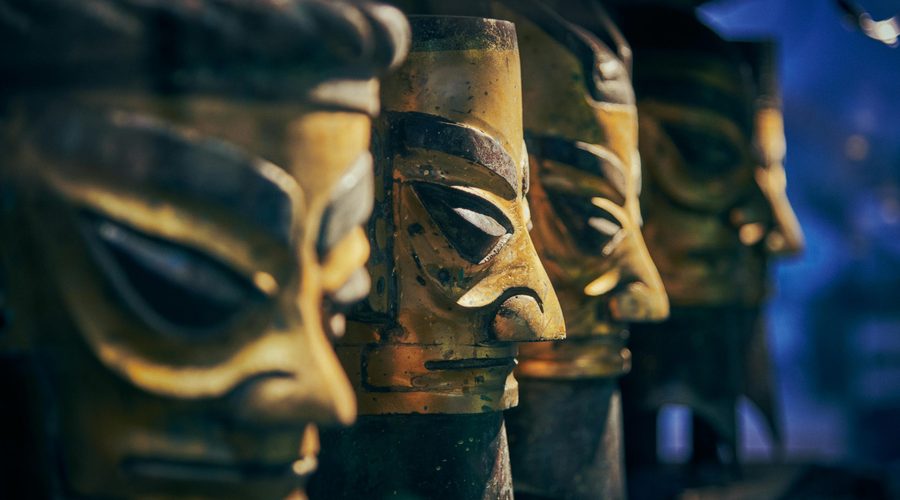
The eyes reach you before the face does. Ten centimetres of bronze cylinder project outward from each socket, aimed at whoever stands in the dim gallery light. Nothing in this face invites warmth — and nothing else in Chinese art, at any point in three thousand years of it, looks remotely like what waits inside...Read More
At seven in the morning in Chengdu, a man in a white undershirt is already in his bamboo chair, lidded tea bowl beside him, mahjong tiles clicking. Three hundred kilometers east in Chongqing, a porter is hauling a refrigerator up a hillside staircase on a bamboo pole. Both cities share peppers, dialect, and mahjong —...Read More
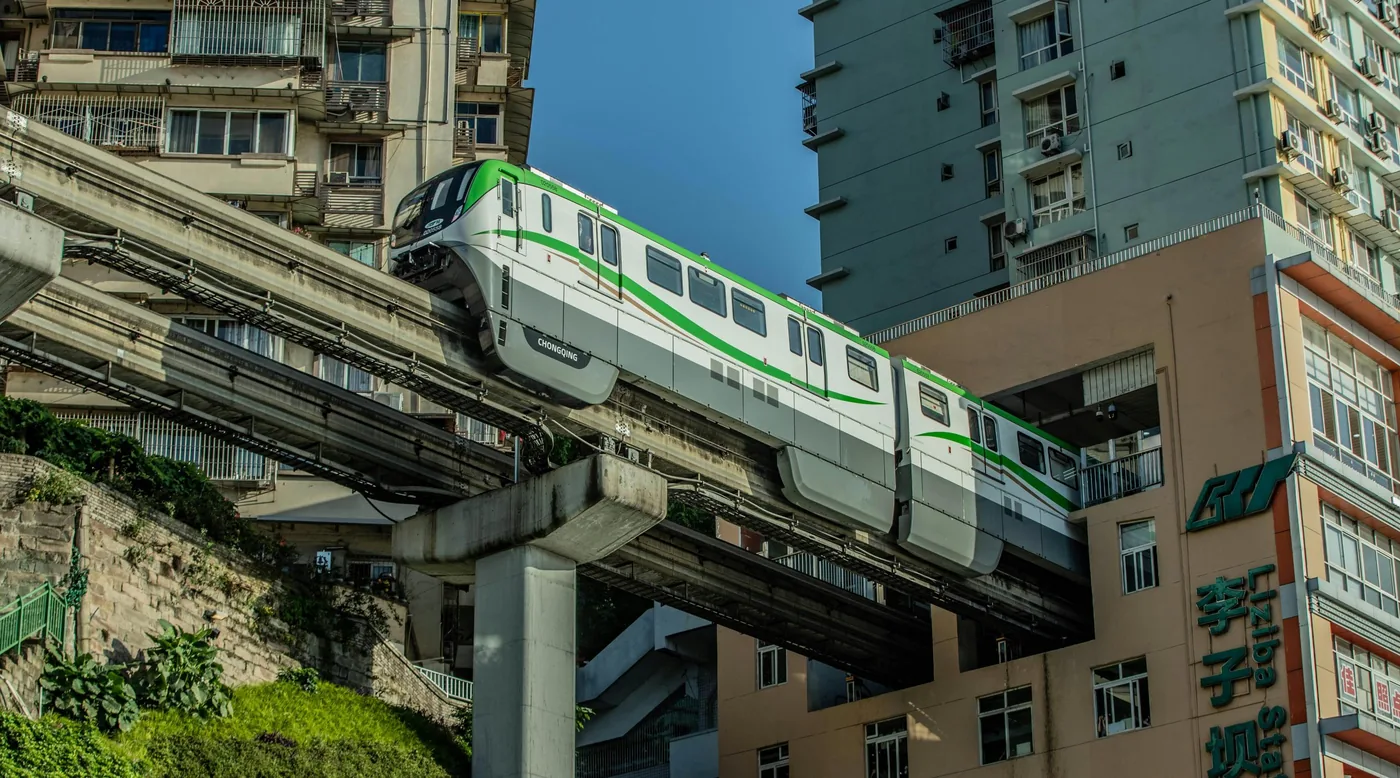
At Liziba in Chongqing, phones are already up. A few hundred people crowd the viewing platform, all facing the same 19-storey apartment block — then a Line 2 monorail slides out of the eighth floor on rubber tires, almost silent, while laundry hangs on the balconies above. The crowd reacts the same way every time:...Read More
In 1718, the Qing court stationed a thousand soldiers in Chengdu [CHUNG-doo] and forbade them from doing any civilian work. So they drank tea, raised songbirds, and perfected doing nothing productive — and the garrison lanes now known as Kuanzhai Alley are where it all started. Kangxi Sent Soldiers. Chengdu Got a Lifestyle. The story...Read More
At 7:15 on a Wednesday morning, the crowd outside the South Gate is already three hundred deep. Parents wrestle strollers into position, selfie sticks telescope upward, and a child on someone’s shoulders shrieks the moment the first panda appears twenty metres away, chewing bamboo sideways with the focus of someone who could not care less...Read More
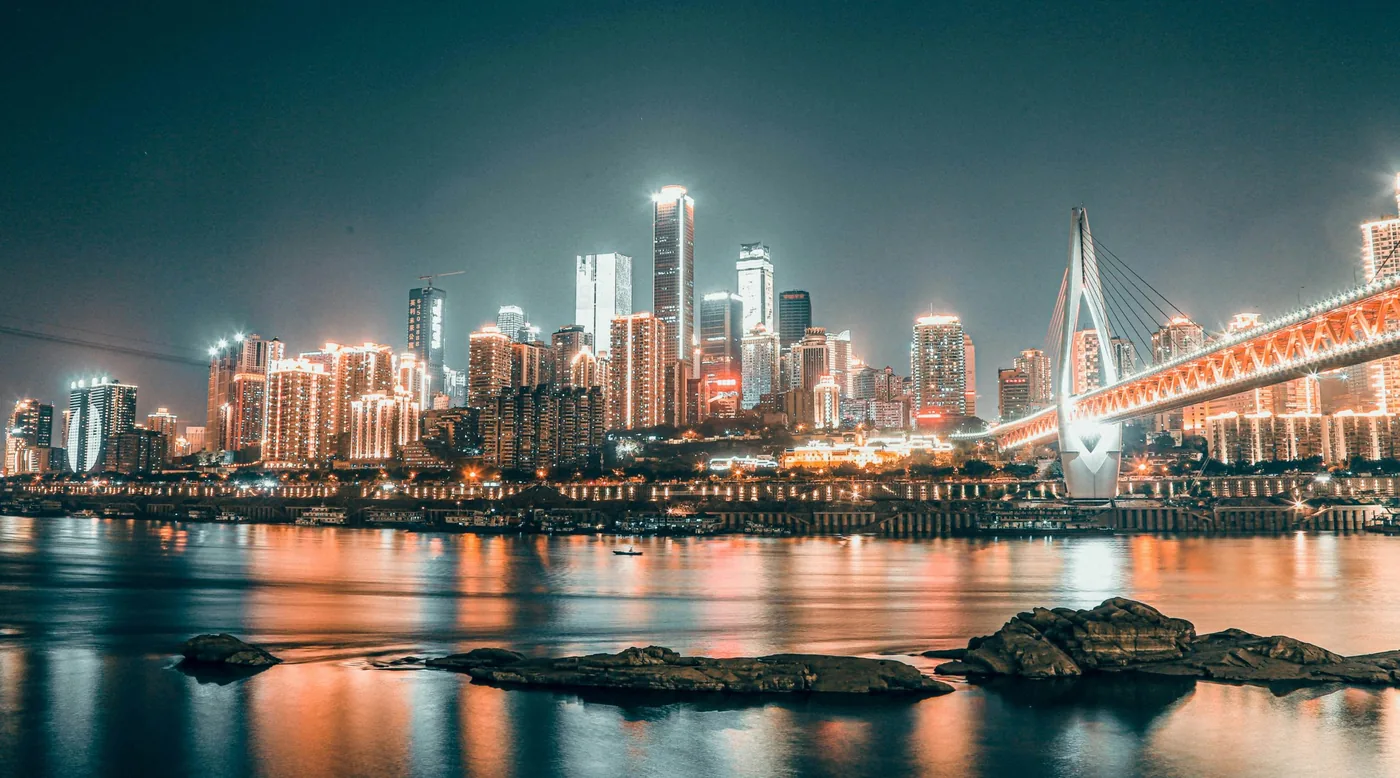
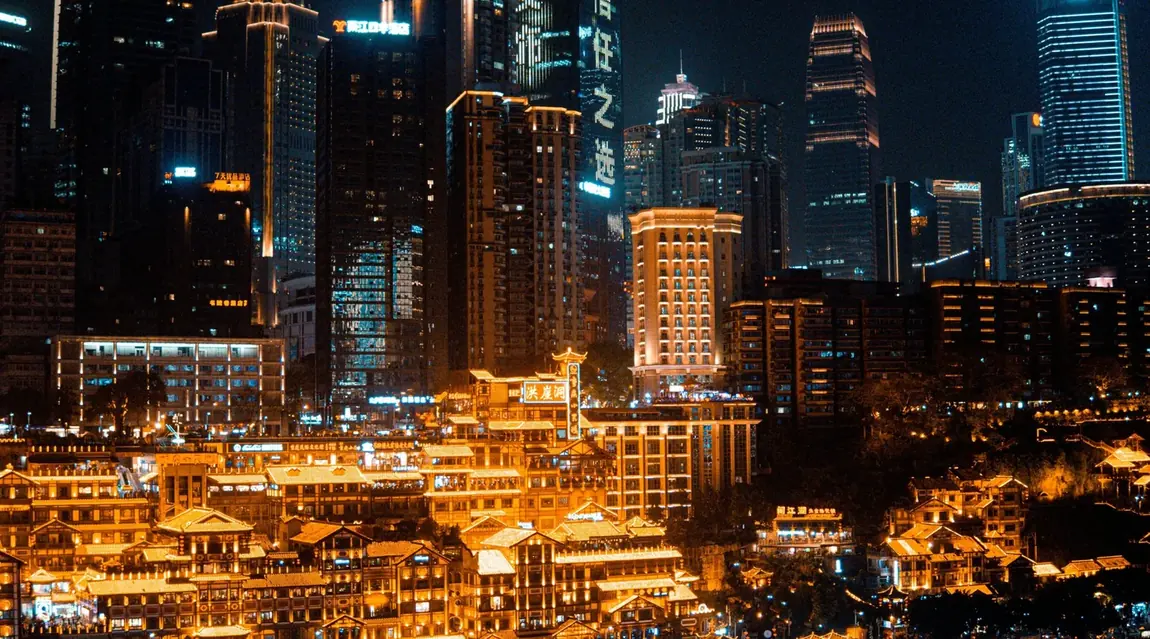
At first glance, Hongya Cave (Hongyadong) looks like Chongqing’s answer to a fantasy film set. Its real appeal is that it turns the city’s steep terrain, stilt-house memory, and riverfront drama into one stop that still feels unmistakably local.Read More