Login
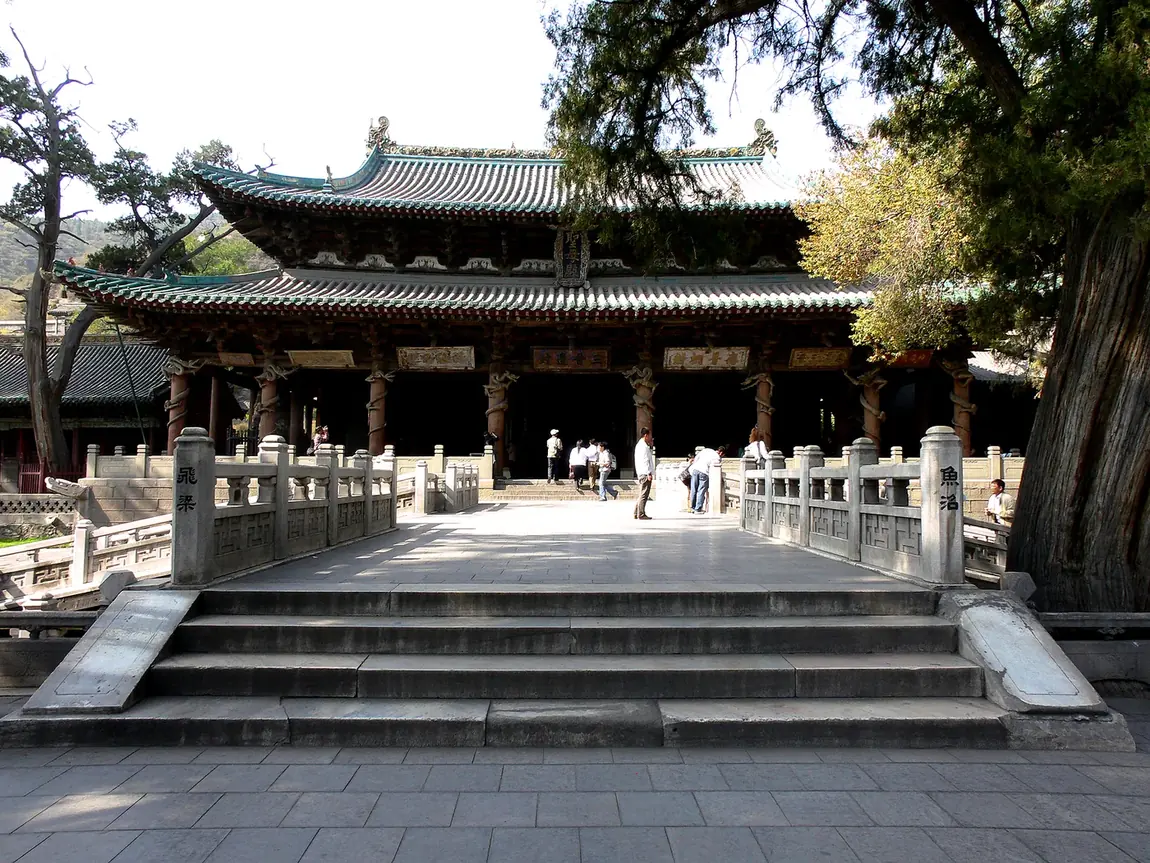
China cultural tours need more than a list of famous sights. The difference is whether each stop explains a living tradition, a historical system, or a local way of seeing the world. Dragon Discover cultural routes connect temples, merchant courtyards, hutongs, gardens, food streets, craft workshops, tea landscapes, and museums with enough time for context. Beijing gives imperial scale and neighborhood life; Shanxi keeps timber halls, grottoes, and merchant compounds unusually intact; Fujian links tea hills, Hakka tulou, and maritime trade; Jiangnan brings gardens, canals, and literati culture; Chengdu and Chongqing show food, leisure, pandas, and mountain-city energy. These trips suit travelers who want private guiding, strong storytelling, and a route that feels coherent rather than rushed. They can be planned as compact city programs or as longer cross-region journeys.
Planning a different style? Private China tours cover private, just-your-group travel, while Bespoke China travel covers fully custom, design-led luxury journeys.
Most cultural routes run 10 to 12 days, with shorter Beijing programs from 5 days. Published sample prices range from USD 1,049 to USD 3,149 for the main cultural routes, before private adjustments for hotel tier, meals, workshops, and guide coverage.
A cultural tour links places to their meaning: architecture, foodways, belief, trade, craft, family life, and local history. The goal is not just to see a site, but to understand why it matters.
Yes. Food walks, tea visits, craft studios, calligraphy, courtyard neighborhoods, and market time can be added where they fit the route naturally.
Shanxi is unusually strong for temples, grottoes, and merchant compounds. Beijing is best for imperial history and neighborhood life, while Fujian and Jiangnan are excellent for regional culture.