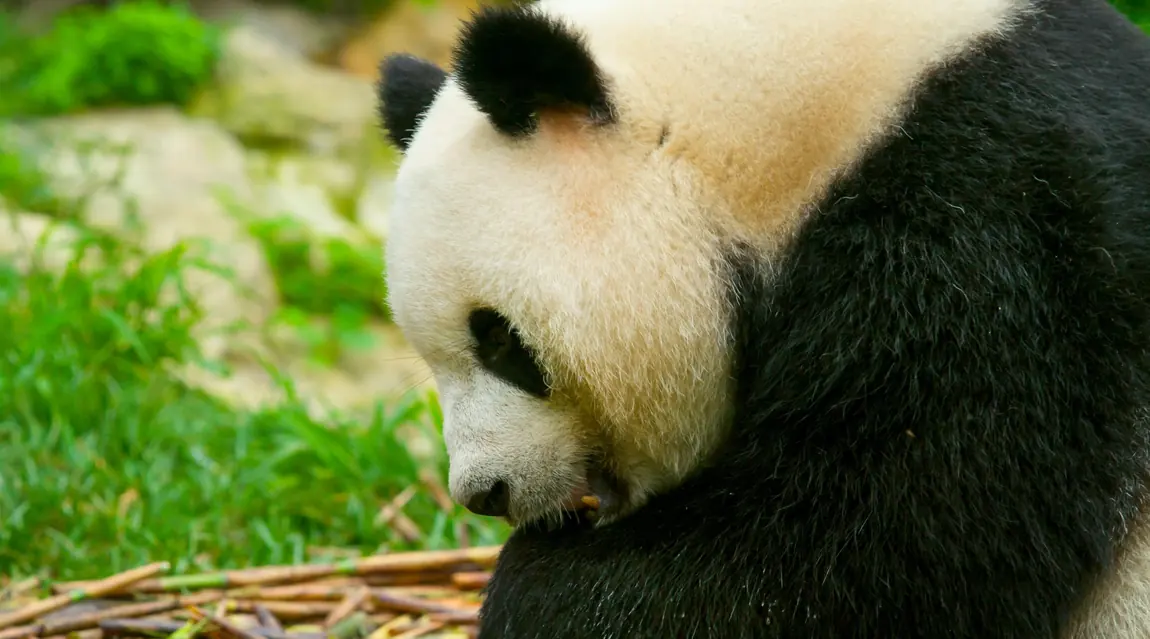
At 7:15 on a Wednesday morning, the crowd outside the South Gate is already three hundred deep. Parents wrestle strollers into position, selfie sticks telescope upward, and a child on someone’s shoulders shrieks the moment the first panda appears twenty metres away, chewing bamboo sideways with the focus of someone who could not care less about the audience.
Chengdu Panda Base [CHUNG-doo] (the world’s largest captive giant panda population — a research station that happens to let visitors in) is loud, packed, and completely worth it.
The Base Was Born from a Crisis, Not a Zoo Plan
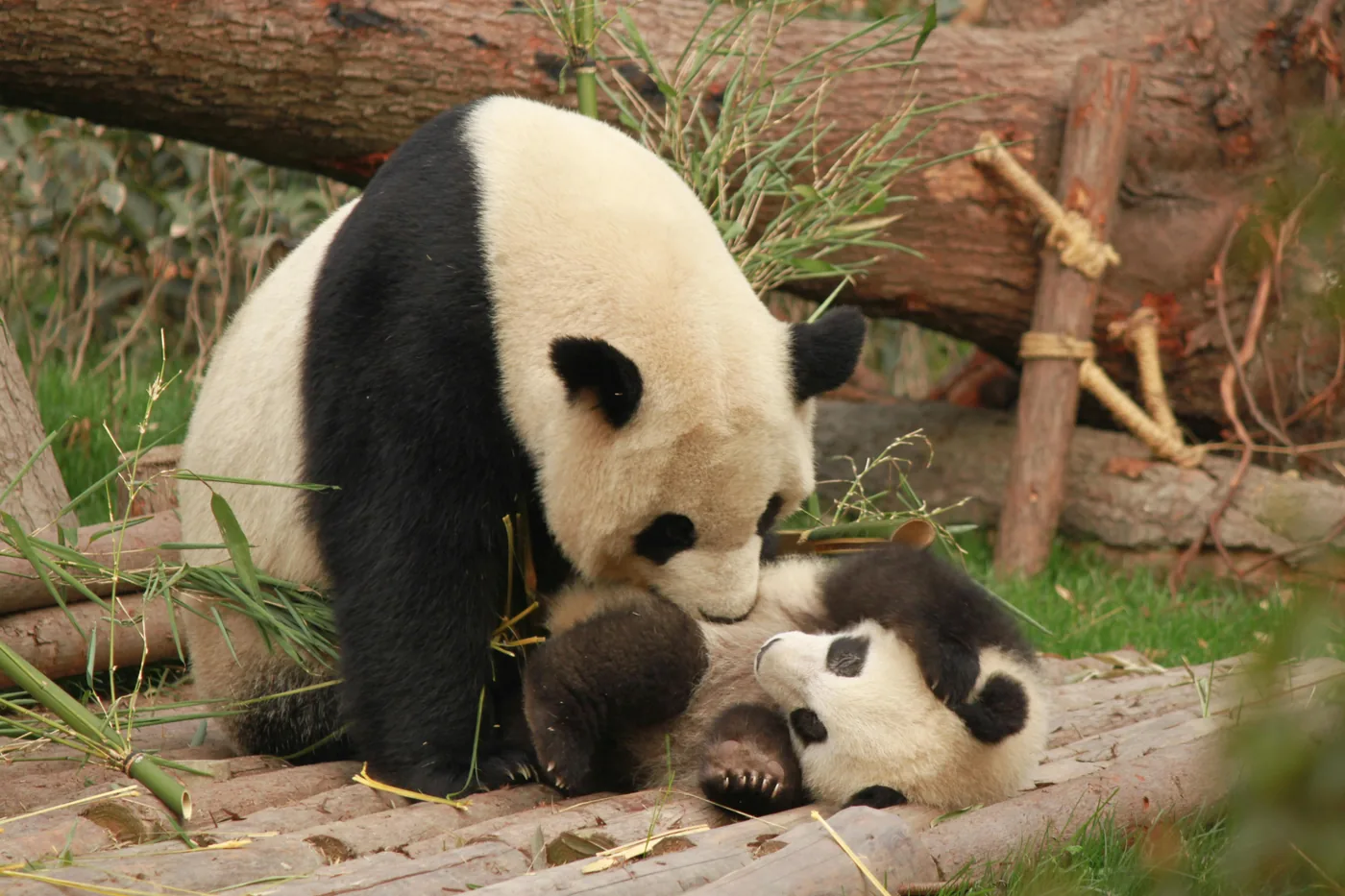
In 1987, a bamboo blight swept through Sichuan‘s [suh-CHWAHN] mountains and left giant pandas starving. Rescuers brought six of them to a patch of land north of Chengdu, set up a breeding programme, and hoped. Nearly four decades later, the facility houses over 200 pandas and has contributed enough successful births to help shift the species’ IUCN status from Endangered to Vulnerable. The place was never designed as a tourist attraction. It is a research station that happens to let visitors in — and that origin explains almost everything about the experience, from the cramped paths in the old park to the strict ticketing rules to the scientists you occasionally see walking between enclosures in lab coats.
That distinction matters because it sets the right expectation. Chengdu Panda Base does not feel like a zoo. The enclosures are spacious and semi-wild, the signage is research-focused, and the pandas are not performing. They are eating, sleeping, playing, or ignoring you — on their own schedule, not yours. The charm is that you are visiting their facility, not the other way around.
South Gate or West Gate — Two Parks, Two Experiences
The decision nobody warns you about: Chengdu Panda Base is actually two parks. Most visitors only know the old one, and most guides only describe the old one. But since 2023, the choice you make at the entrance reshapes your entire day.
The South Park (the original section, entered through the South Gate) is dense, intimate, and often shoulder-to-shoulder. This is where you find the nurseries with cubs behind glass, the red panda enclosures tucked along hillside paths, and — most famously — Villa No. 6, home of Hua Hua [hwah hwah] (a female giant panda whose round face and deliberate eating style made her a national celebrity). South Park is where the crowds concentrate, where the emotional highs hit fastest, and where the noise level sits somewhere between a school field trip and a stadium entrance. If you want cubs, you want South.
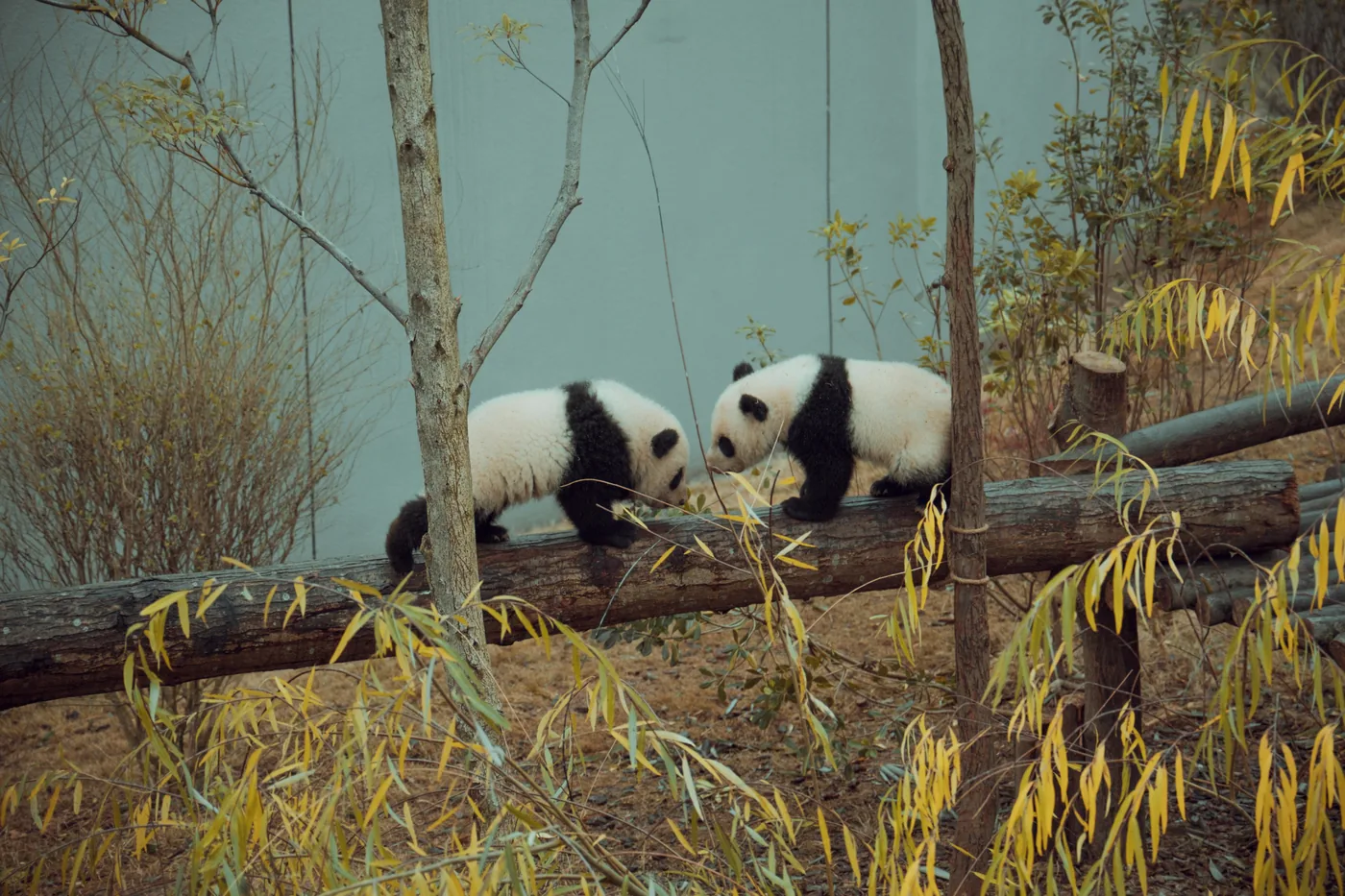
The West Park (the new expansion, opened in stages from 2021 to 2023) is a different animal entirely. Designed by Sasaki Associates, it sprawls across rolling hills with wide paths, naturalistic habitats separated by streams and bamboo groves, and the Panda Tower — a 69.8-metre observation structure that gives you an aerial view across the entire base. The pandas here have more space, the visitors have more space, and the whole atmosphere shifts from frantic to something closer to a nature walk. If you have the energy for both parks, do both. If you only have half a day, choose based on what matters more to you: cubs and intensity, or space and design.
The Hua Hua Queue Is a Cultural Event
Hua Hua is not just a panda. She is a national phenomenon — the subject of fan accounts, merchandise lines, birthday celebrations, and a devotion that looks, from the outside, like fandom for a pop star who happens to weigh 90 kilograms and eat bamboo for a living. The queue to see her at Villa No. 6 runs anywhere from 45 minutes to three hours, depending on the day and the season. When you reach the front, you get roughly three minutes at the viewing window before staff move you along.
A few things to know before joining. Hua Hua is not on display on Mondays — arrive on a Monday and you will find an empty enclosure and a sign. Bring water, wear sunscreen, and treat the wait as part of the experience rather than an obstacle to it.
What makes the line interesting is the crowd itself: couples taking selfies with Hua Hua merch, grandparents who travelled from other provinces, teenagers in panda-ear headbands documenting every step for Douyin [DOH-yin] (China’s TikTok). This is not a zoo queue. It is a pilgrimage, and the collective excitement is half the payoff. Worth it if you know what you are signing up for. Entirely skippable if three hours of standing sounds like a punishment.
What the Pandas Are Actually Doing (and When to See It)
Giant pandas eat on a rough schedule: the keepers deliver bamboo around 9 AM and again around 2 PM. Those feeding windows are when you see pandas at their most active — tearing through stalks, rolling onto their backs with a fistful of leaves, occasionally wrestling a sibling for a better branch. Between feeds, they sleep. If you arrive at noon expecting acrobatics, you will find furry lumps draped over tree forks, motionless, looking like stuffed animals someone left in a garden. The afternoon lull is real.
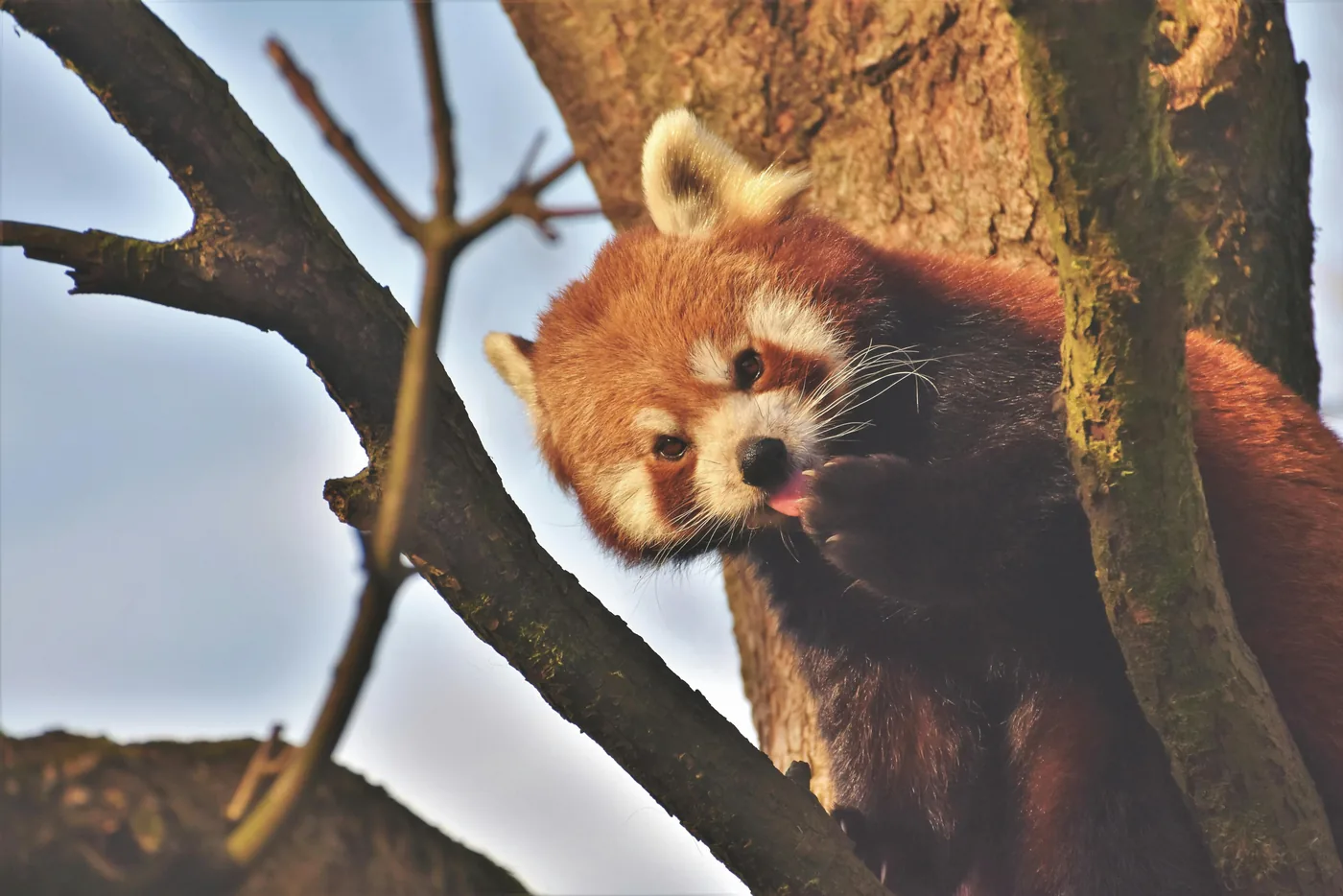
The surprise for most visitors — especially first-timers — is the red pandas. They are smaller, faster, rust-coloured, and far more active than their giant cousins. They climb, they chase each other through the branches, they stare at you from three feet away with an expression that looks like polite curiosity. Almost everyone who visits says the red pandas stole the show, and almost no one expected them to. If the nursery has cubs visible that day, add another emotional peak: tiny, wobbly, impossibly small creatures behind glass that make grown adults speak in frequencies normally reserved for newborns.
The real arc of a day at the base goes something like this: excitement at the gate, wonder at the first giant panda sighting, rising crowd fatigue by late morning, unexpected delight when you stumble onto the red pandas, physical exhaustion by mid-afternoon, and a deep, tired satisfaction on the metro ride home. It is not a calm day. It is a great one.
The chaos is the point — and it is easier to love when someone else handles the tickets, the timing, and the route through both parks. Chongqing & Chengdu · Neon City & Sacred Mountain – 12 Days 11 Nights builds the panda base into a full Sichuan-Chongqing itinerary, so the day lands as one peak in a longer story rather than a solo mission.
No Gate Tickets, Seven Hours of Hills
Most people underestimate the scale. Both parks together cover a huge amount of hilly ground, and seven hours is a realistic visit if you want to see cubs, queue for Hua Hua, explore the West Park, and eat lunch. Shuttle buses run through the base for 30 RMB — worth it once your legs start giving opinions around hour four. Food inside is overpriced and limited; bringing your own lunch is what repeat visitors recommend.
Tickets cannot be bought at the gate. Foreign visitors need to book in advance using their passport number through the official WeChat mini-programme (a booking app inside China’s dominant messaging platform) or a third-party platform. No passport number in the system, no entry. Book at least a day ahead during peak season — earlier during national holidays.
Getting there is straightforward: Metro Line 3 to Panda Avenue station, then follow the signs. At the metro exit you may encounter people in panda costumes offering photo ops or directing you toward unofficial services. They are not affiliated with the base. A polite “no thanks” and a walk toward the official entrance is all you need.
One more thing worth knowing: mornings are better in every way. The pandas are more active, the crowds (while still large) have not yet reached maximum density, and the heat has not built up. Arrive when the gates open. You will not regret it.