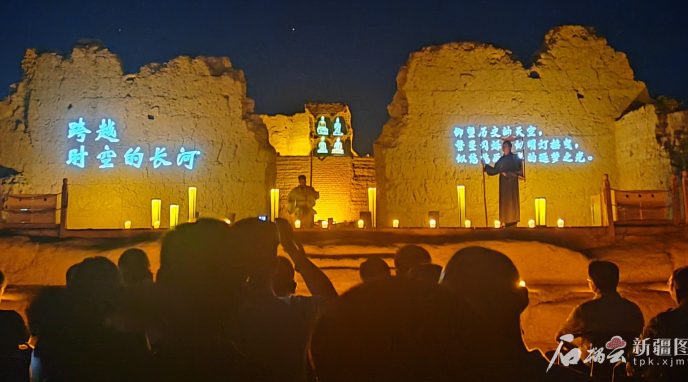
At the end of a Turpan [TOOR-pan] day, when the heat finally begins to leave the ground, Jiaohe Ancient City stops reading like a ruin and starts reading like a stage set. Jiaohe Ancient City [JEE-ow-huh] (交河故城, the 2,000-year-old Silk Road fortress outside Turpan) sits on a flat plateau between two river valleys. That shape...Read More
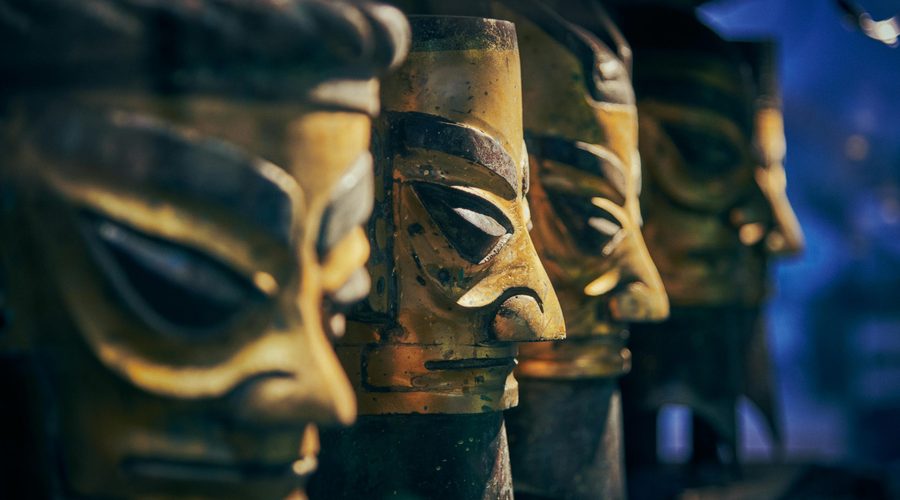
The eyes reach you before the face does. Ten centimetres of bronze cylinder project outward from each socket, aimed at whoever stands in the dim gallery light. Nothing in this face invites warmth — and nothing else in Chinese art, at any point in three thousand years of it, looks remotely like what waits inside...Read More
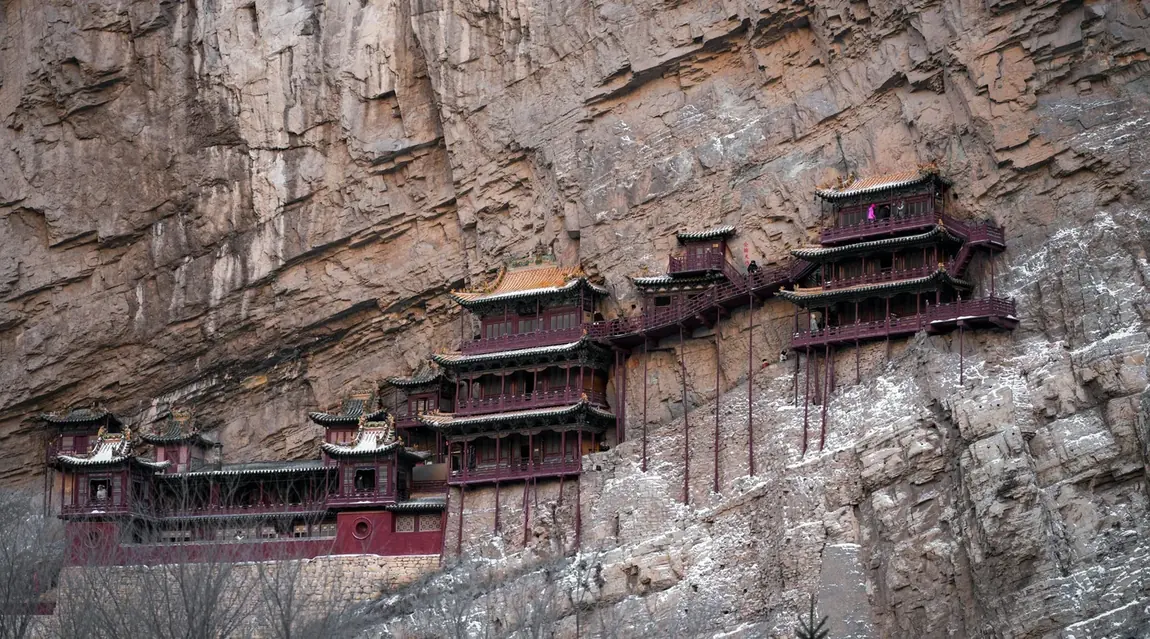
Stand at the base of the gorge and the Hanging Temple barely registers — a scatter of wooden buildings clinging to a wall of grey and ochre stone so vast that the halls and walkways look no larger than birdhouses on a cliff face. Hanging Temple [shwen-KOHNG suh] (悬空寺, the tri-faith cliff monastery near Datong)...Read More
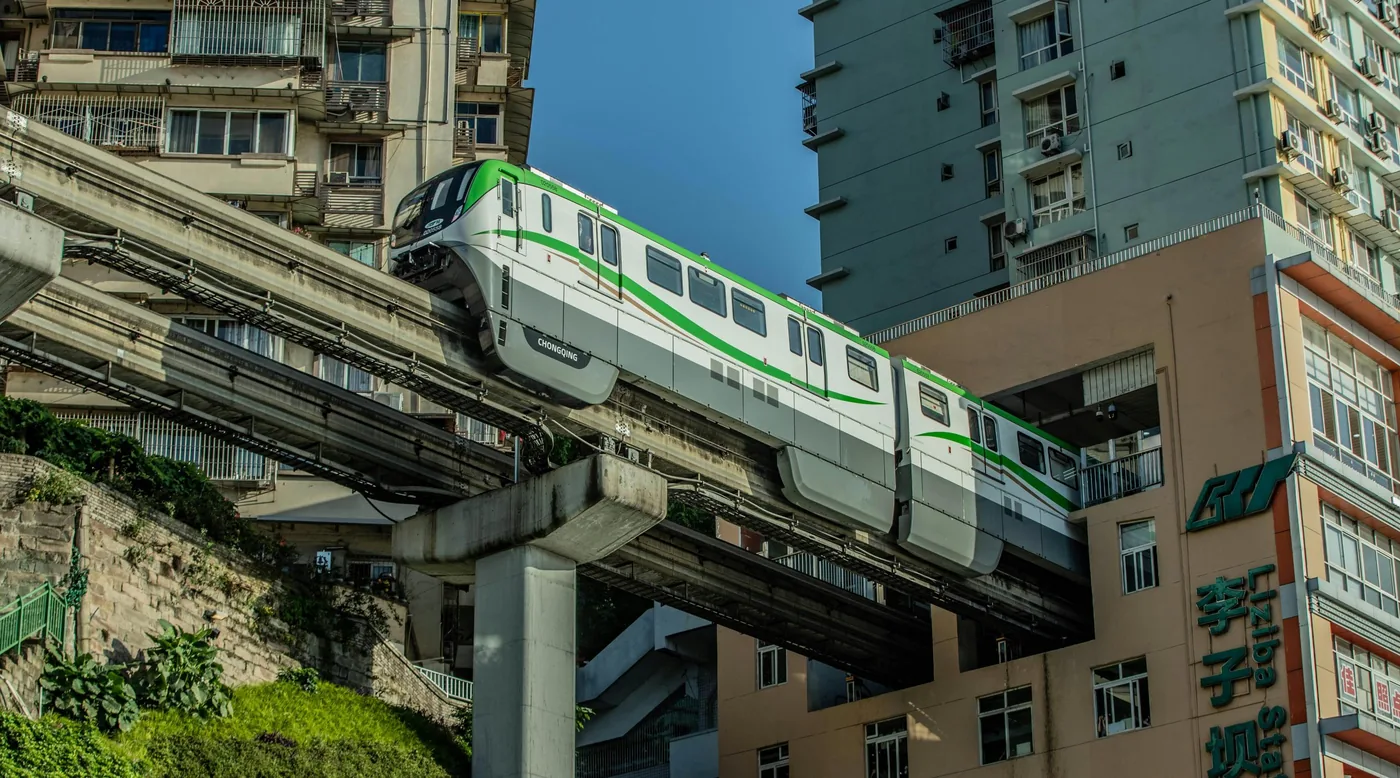
At Liziba in Chongqing, phones are already up. A few hundred people crowd the viewing platform, all facing the same 19-storey apartment block — then a Line 2 monorail slides out of the eighth floor on rubber tires, almost silent, while laundry hangs on the balconies above. The crowd reacts the same way every time:...Read More
In 1718, the Qing court stationed a thousand soldiers in Chengdu [CHUNG-doo] and forbade them from doing any civilian work. So they drank tea, raised songbirds, and perfected doing nothing productive — and the garrison lanes now known as Kuanzhai Alley are where it all started. Kangxi Sent Soldiers. Chengdu Got a Lifestyle. The story...Read More
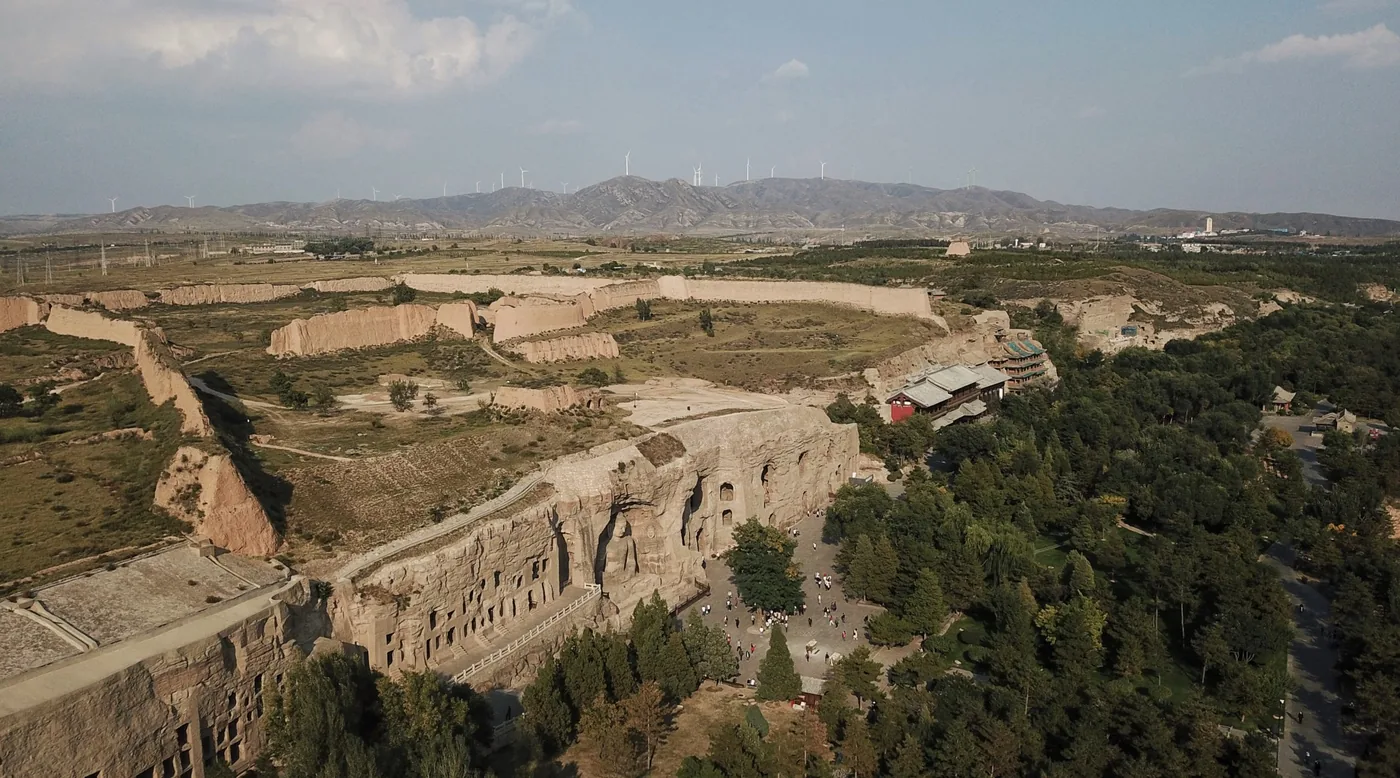
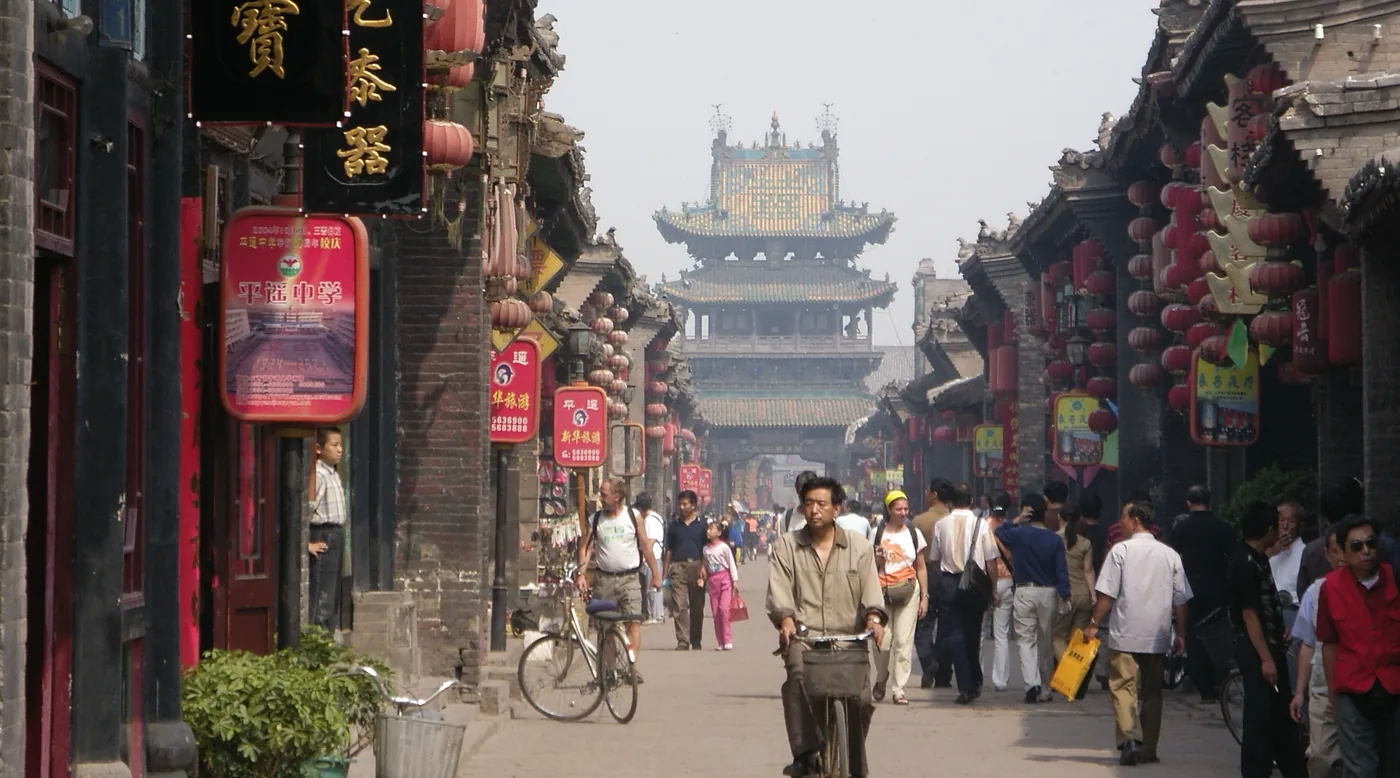
Shanxi makes the most sense as a route, not a checklist: Yungang Grottoes, Yingxian Wooden Pagoda, Hanging Temple, Jinci Temple, Pingyao Ancient City, Hukou Waterfall, and Zhangbi Castle work best when they explain one another in sequence.Read More
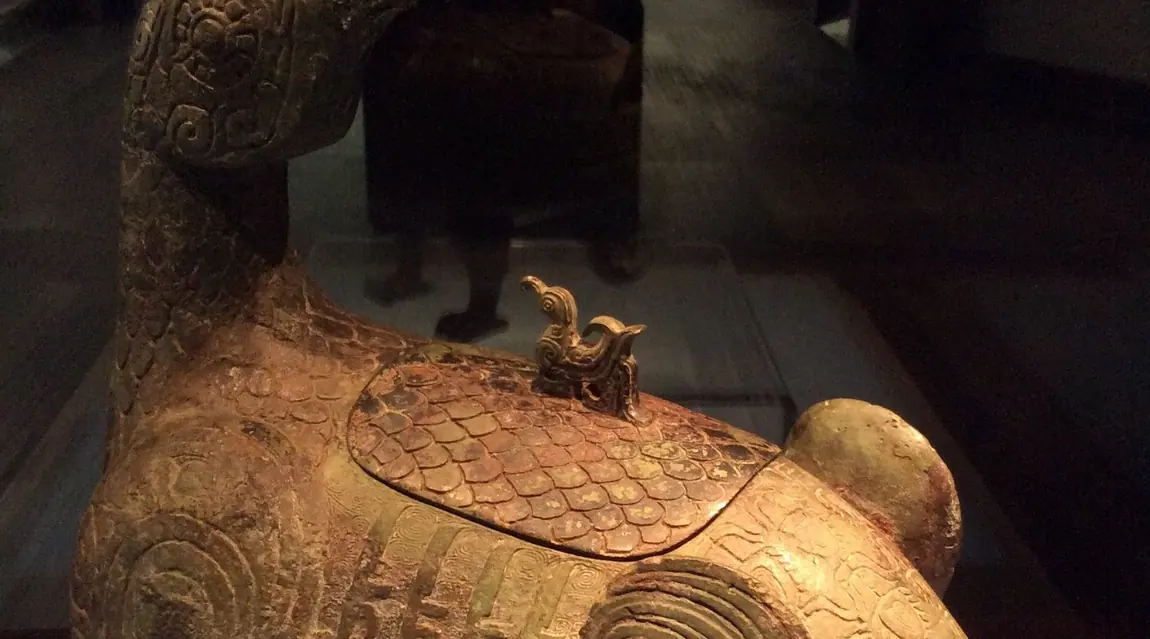
Shanxi Museum is not just pre-trip homework. Its bronze vessels, sculpture, and historical displays make the rest of the province easier to read, from Yungang Grottoes and Jinci Temple to Pingyao Ancient City.Read More
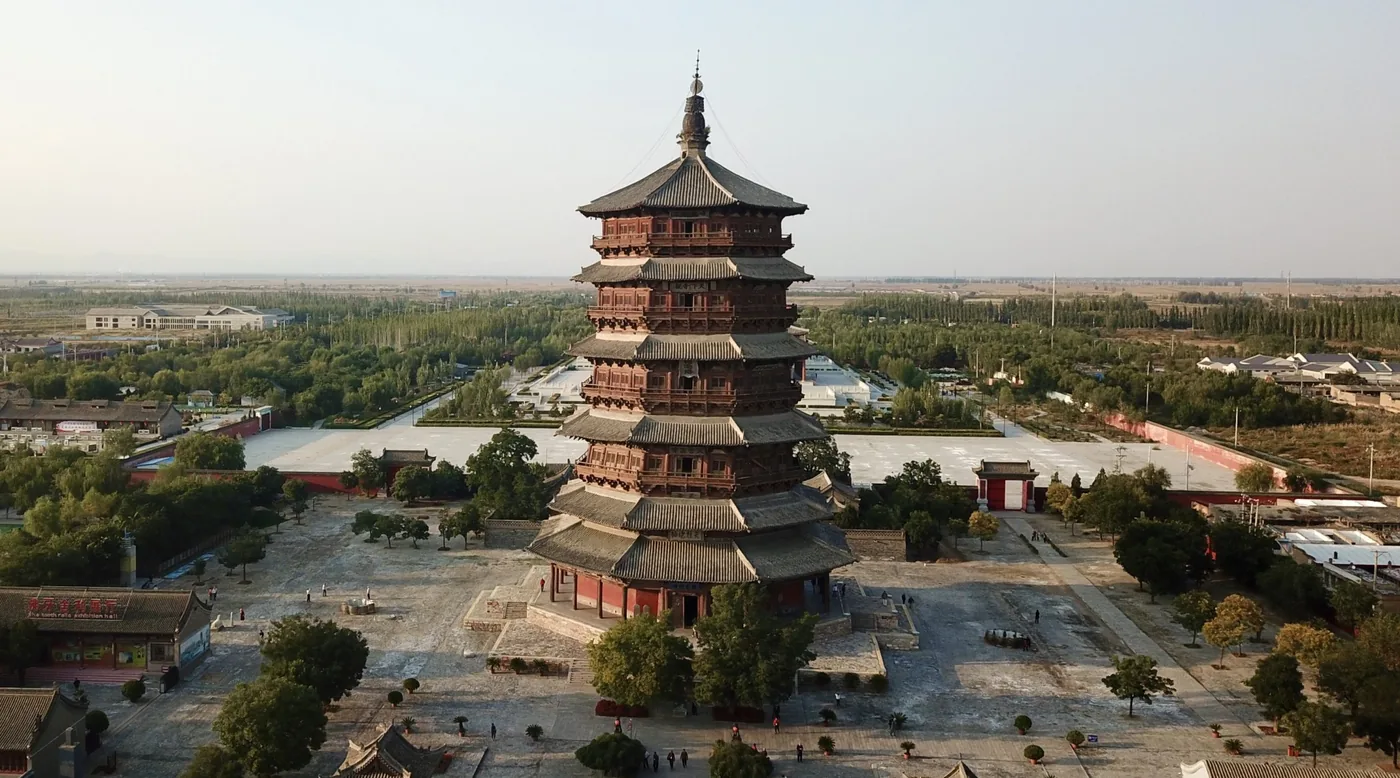
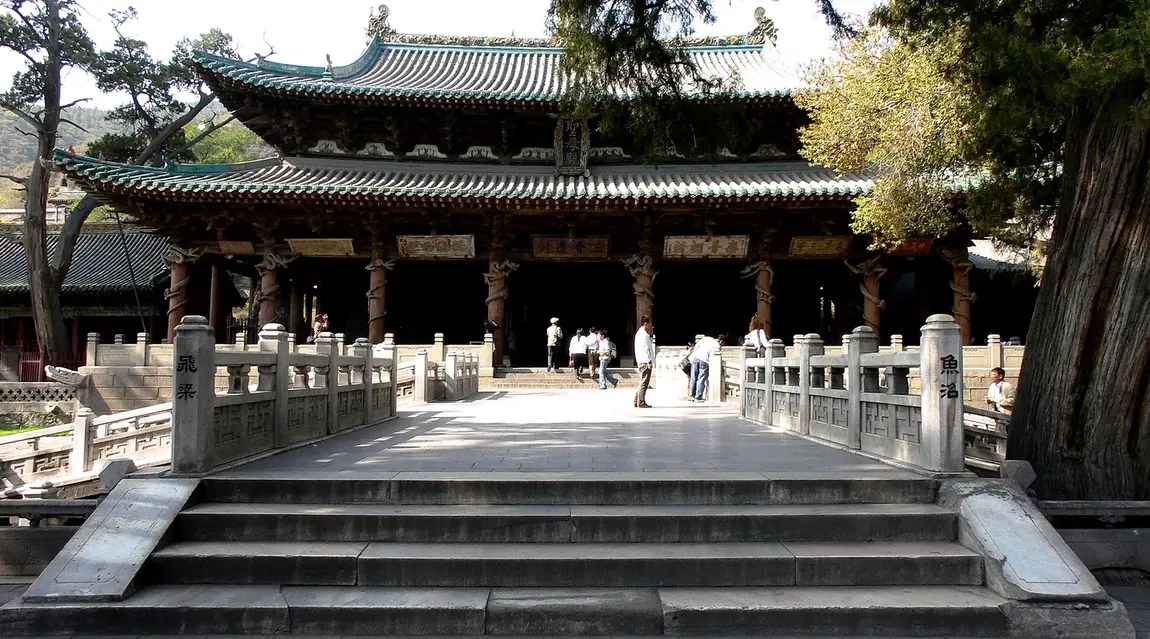
Shanxi matters because it preserves a timber world, not just a few old-looking buildings. The province turns Chinese architecture from image into structure and survival into something visible.Read More
Shanxi preserves more than monuments. Its temples, banks, compounds, passes, and city gates still read as parts of one social world, making old China feel spatial instead of abstract.Read More
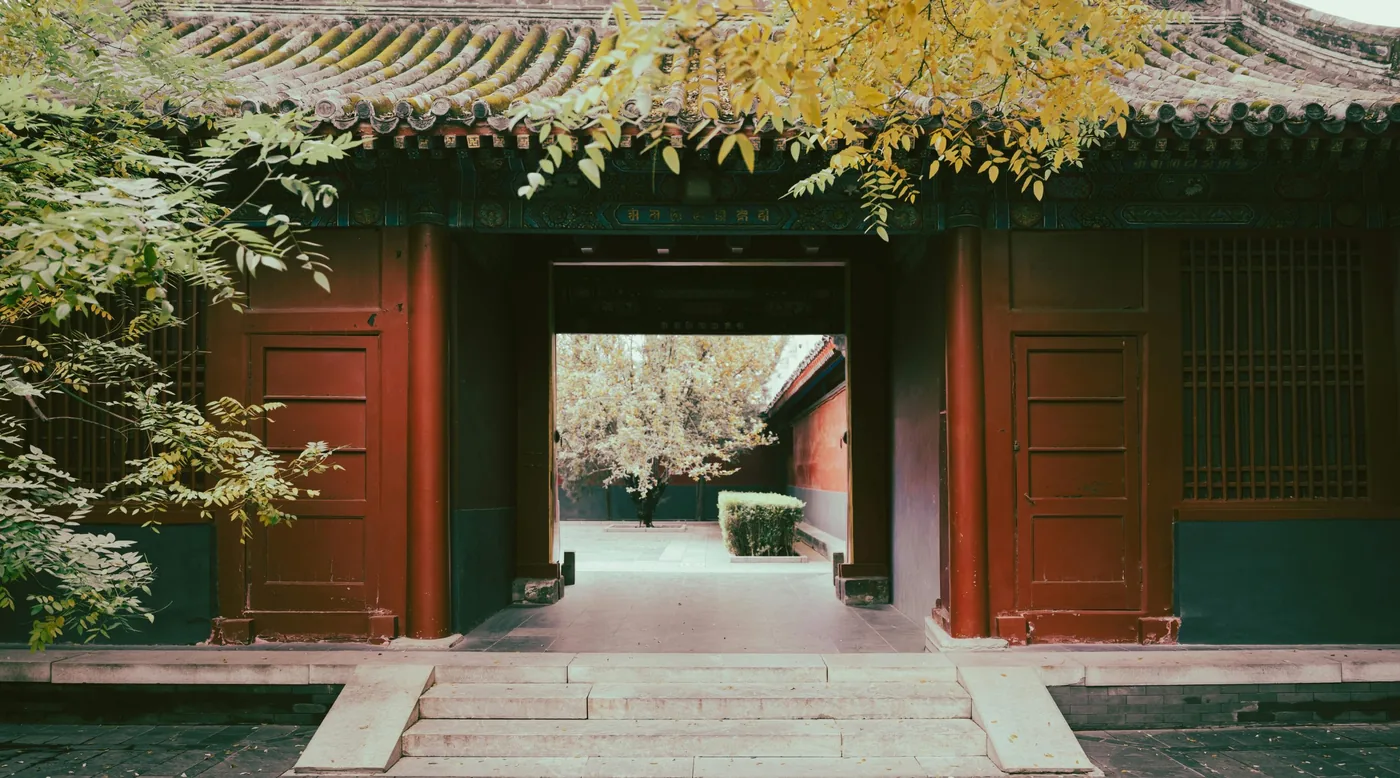
Jinci Temple is not just a temple stop near Taiyuan. It is one of the places that teaches travelers how to read Shanxi through water, timber, trees, and a slower historical rhythm.Read More