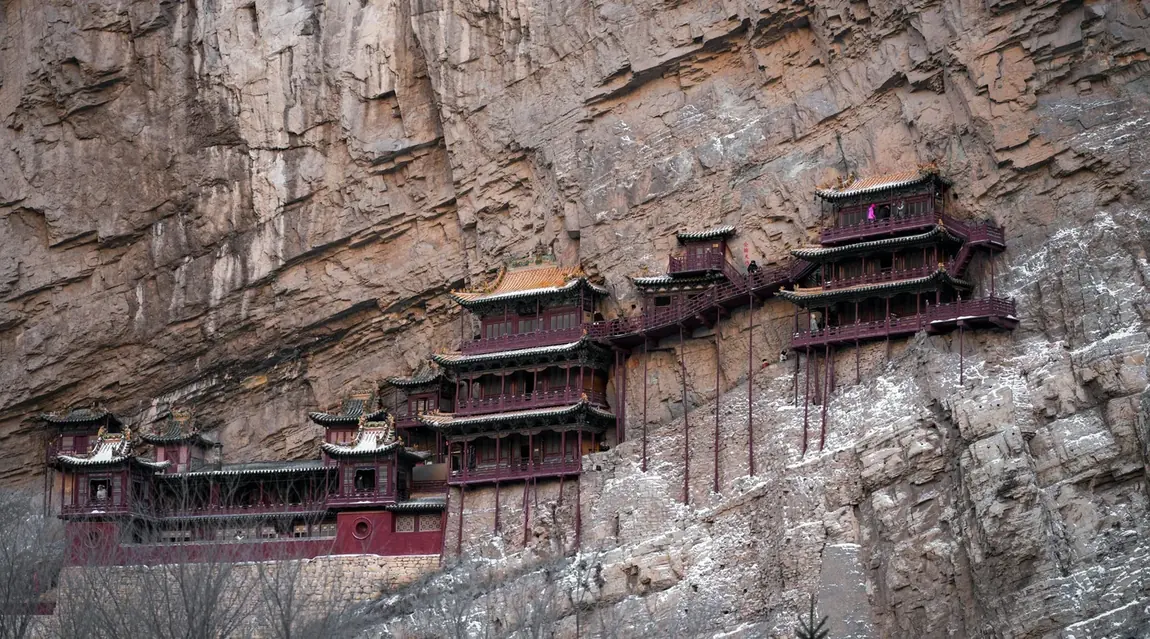
Stand at the base of the gorge and the Hanging Temple barely registers — a scatter of wooden buildings clinging to a wall of grey and ochre stone so vast that the halls and walkways look no larger than birdhouses on a cliff face. Hanging Temple [shwen-KOHNG suh] (悬空寺, the tri-faith cliff monastery near Datong)...Read More
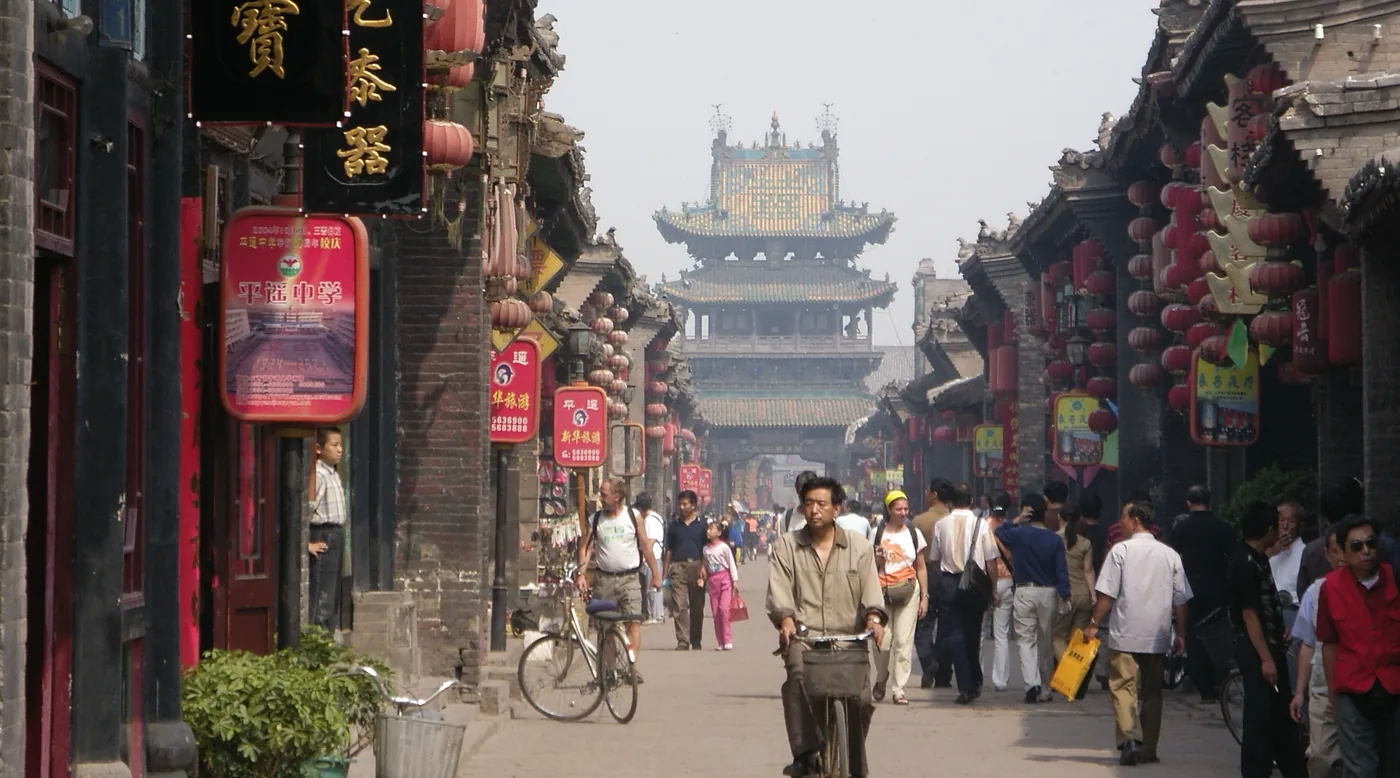
Shanxi makes the most sense as a route, not a checklist: Yungang Grottoes, Yingxian Wooden Pagoda, Hanging Temple, Jinci Temple, Pingyao Ancient City, Hukou Waterfall, and Zhangbi Castle work best when they explain one another in sequence.Read More
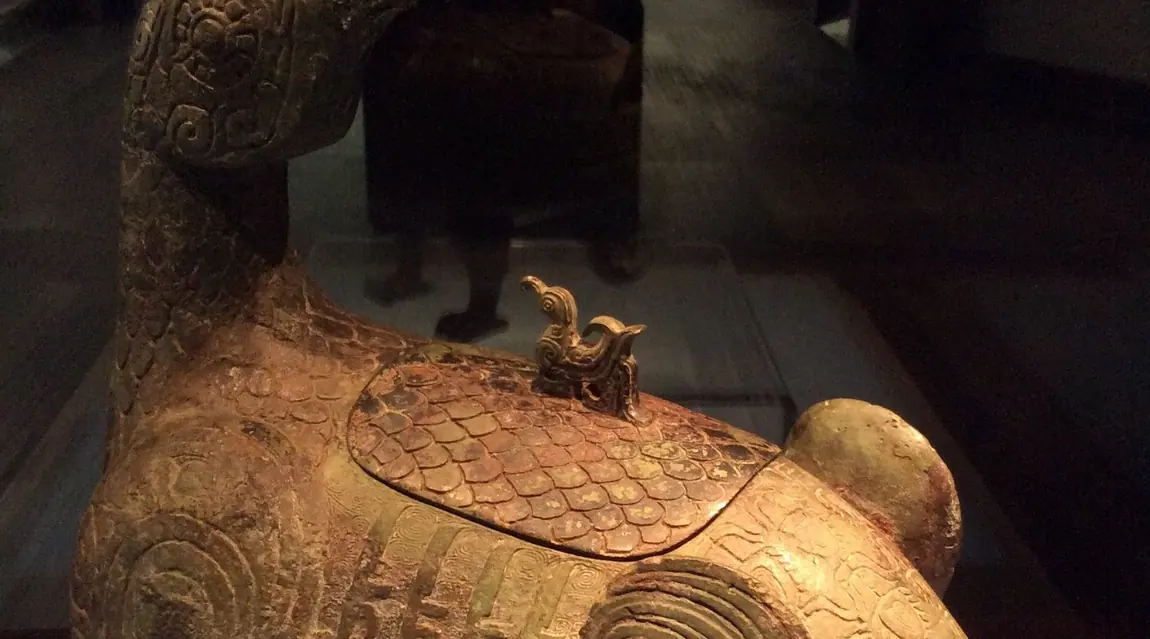
Shanxi Museum is not just pre-trip homework. Its bronze vessels, sculpture, and historical displays make the rest of the province easier to read, from Yungang Grottoes and Jinci Temple to Pingyao Ancient City.Read More
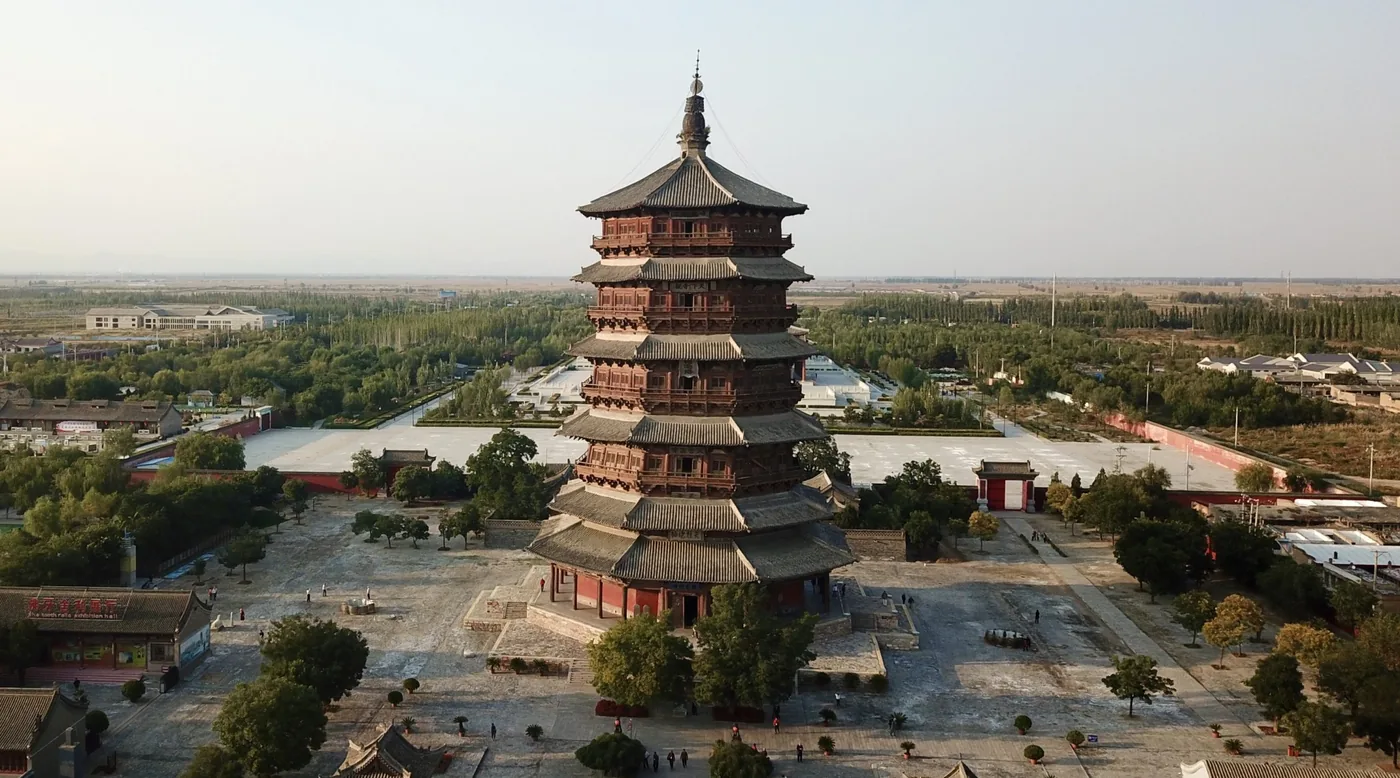
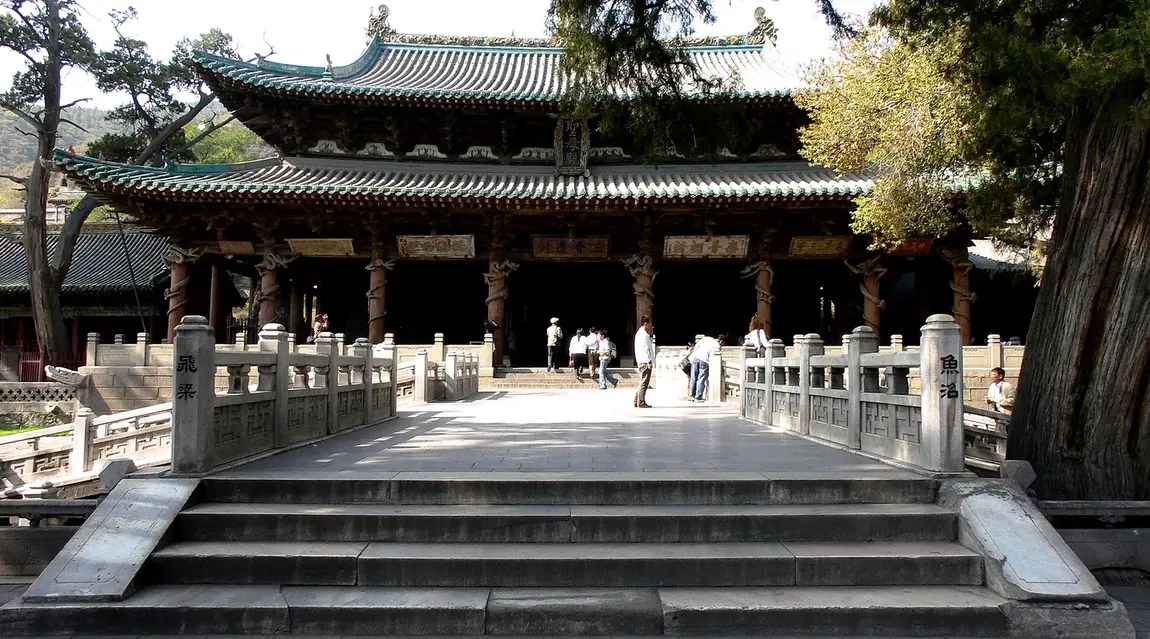
Shanxi matters because it preserves a timber world, not just a few old-looking buildings. The province turns Chinese architecture from image into structure and survival into something visible.Read More
Shanxi preserves more than monuments. Its temples, banks, compounds, passes, and city gates still read as parts of one social world, making old China feel spatial instead of abstract.Read More
Jinci Temple is not just a temple stop near Taiyuan. It is one of the places that teaches travelers how to read Shanxi through water, timber, trees, and a slower historical rhythm.Read More
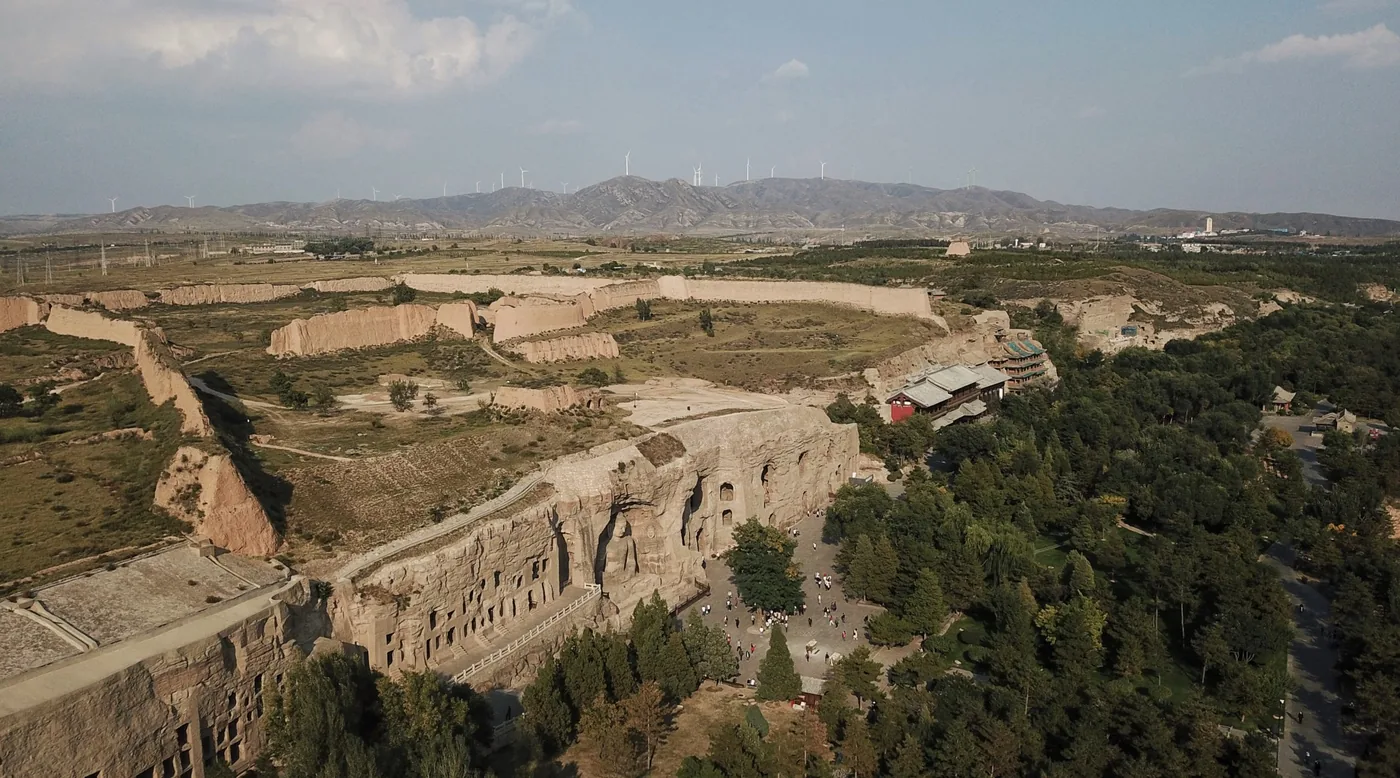
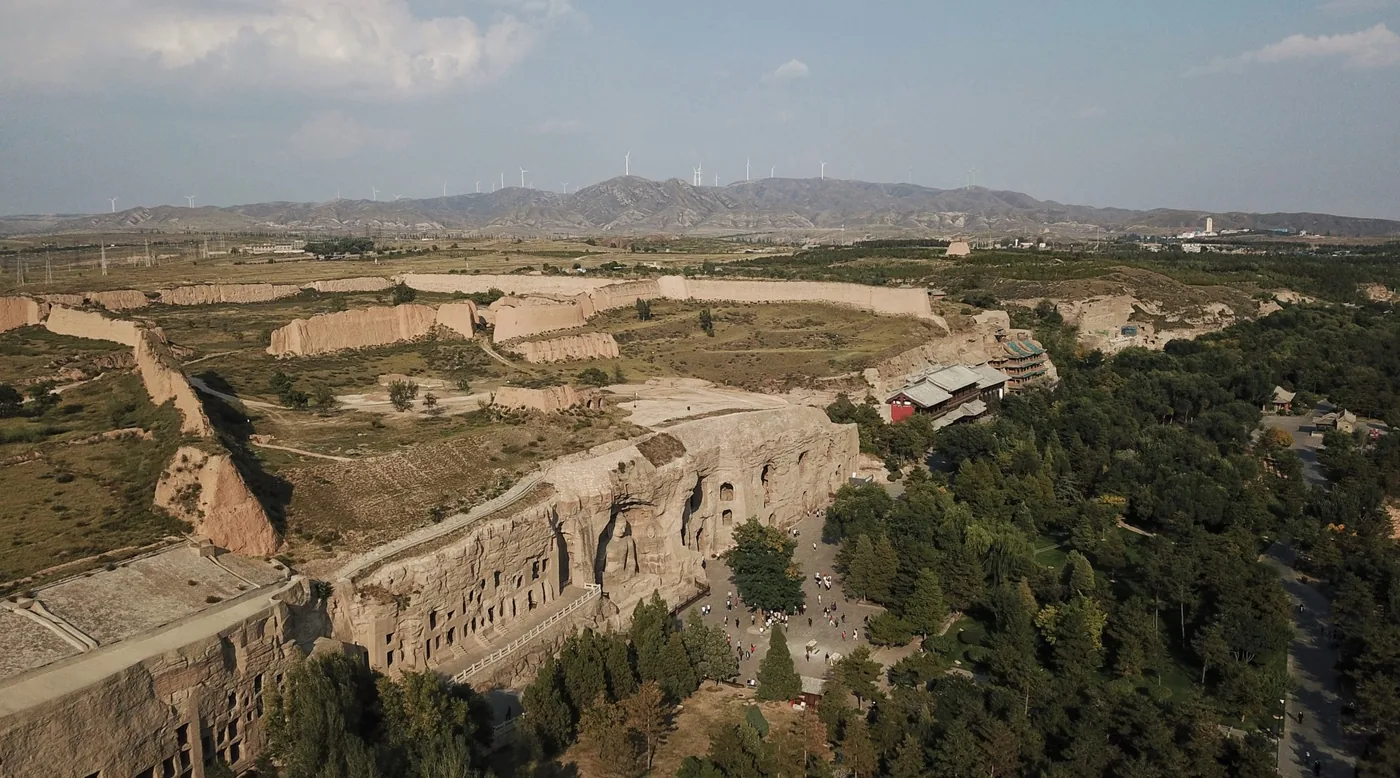
Some places impress you because they are famous. Others stay with you because they reset your sense of scale. The Yungang Grottoes [YOON-gahng] (云冈石窟, a major Buddhist cave complex in northern China), just outside Datong [dah-TONG] (大同, a historic city in northern Shanxi) in Shanxi Province [shahn-SHEE] (the inland province west of Beijing), belong to...Read More