In 1718, the Qing court stationed a thousand soldiers in Chengdu [CHUNG-doo] and forbade them from doing any civilian work. So they drank tea, raised songbirds, and perfected doing nothing productive — and the garrison lanes now known as Kuanzhai...Read More
At 7:15 on a Wednesday morning, the crowd outside the South Gate is already three hundred deep. Parents wrestle strollers into position, selfie sticks telescope upward, and a child on someone’s shoulders shrieks the moment the first panda appears twenty...Read More
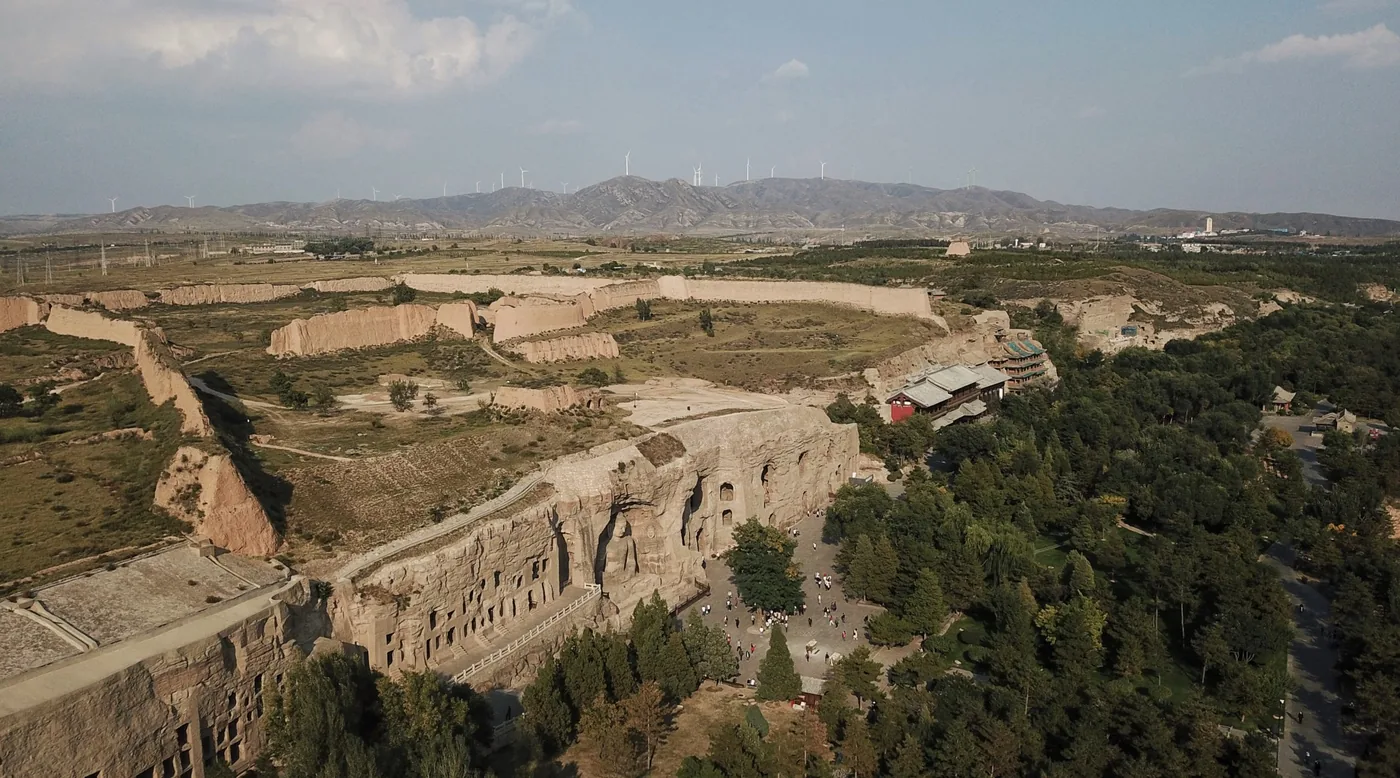
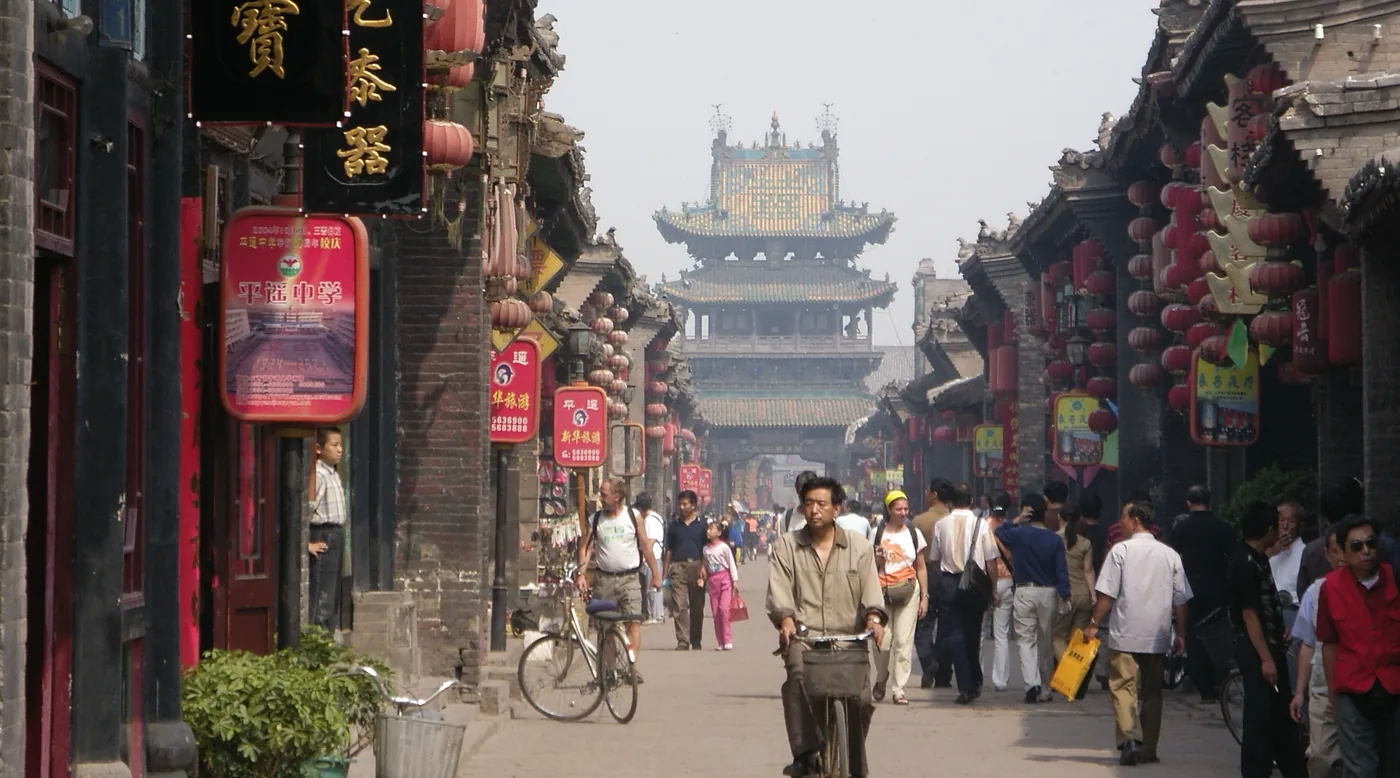
Shanxi makes the most sense as a route, not a checklist: Yungang Grottoes, Yingxian Wooden Pagoda, Hanging Temple, Jinci Temple, Pingyao Ancient City, Hukou Waterfall, and Zhangbi Castle work best when they explain one another in sequence.Read More
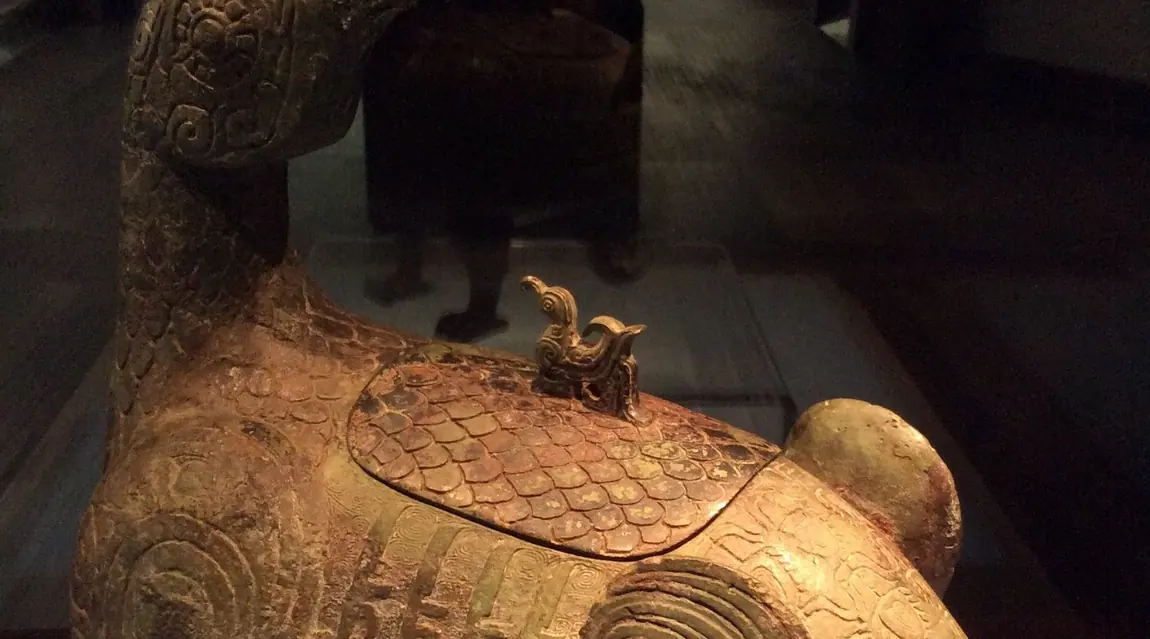
Shanxi Museum is not just pre-trip homework. Its bronze vessels, sculpture, and historical displays make the rest of the province easier to read, from Yungang Grottoes and Jinci Temple to Pingyao Ancient City.Read More
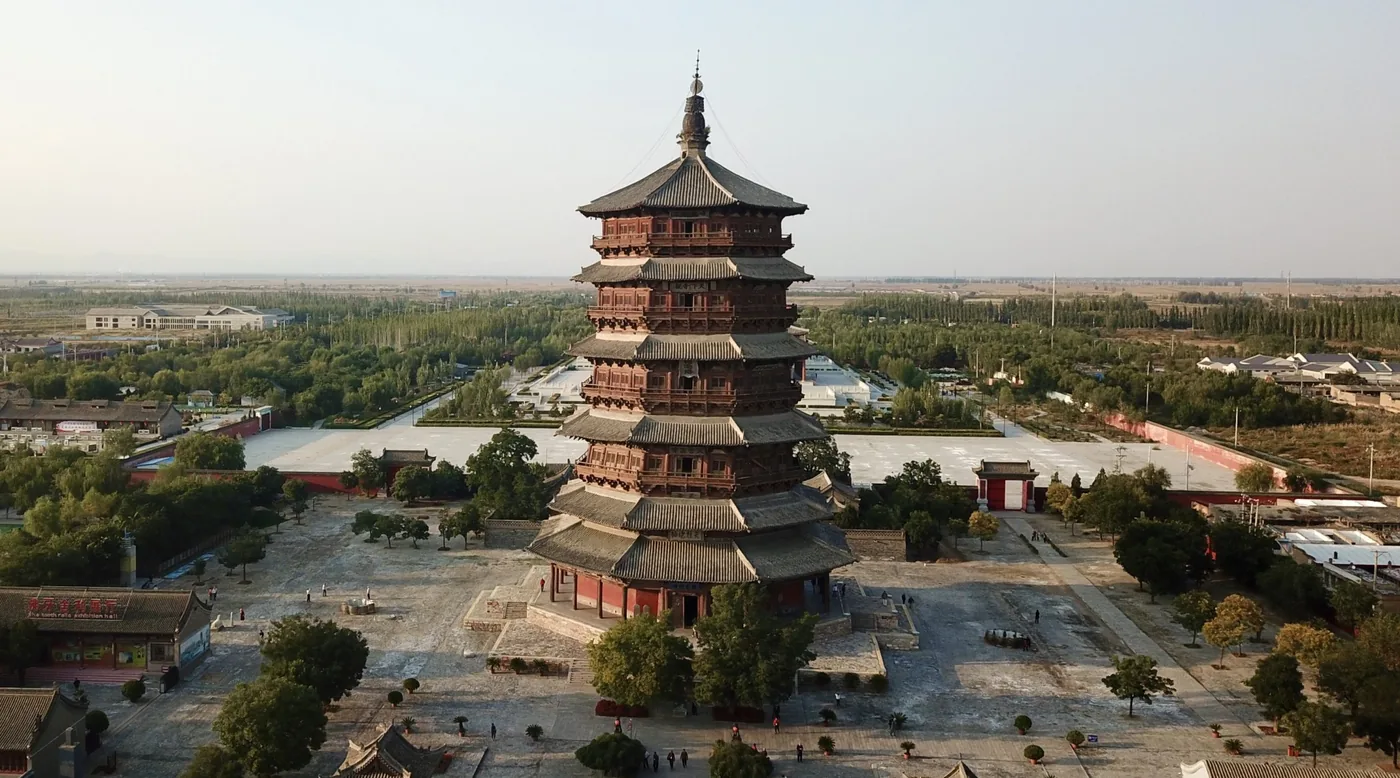
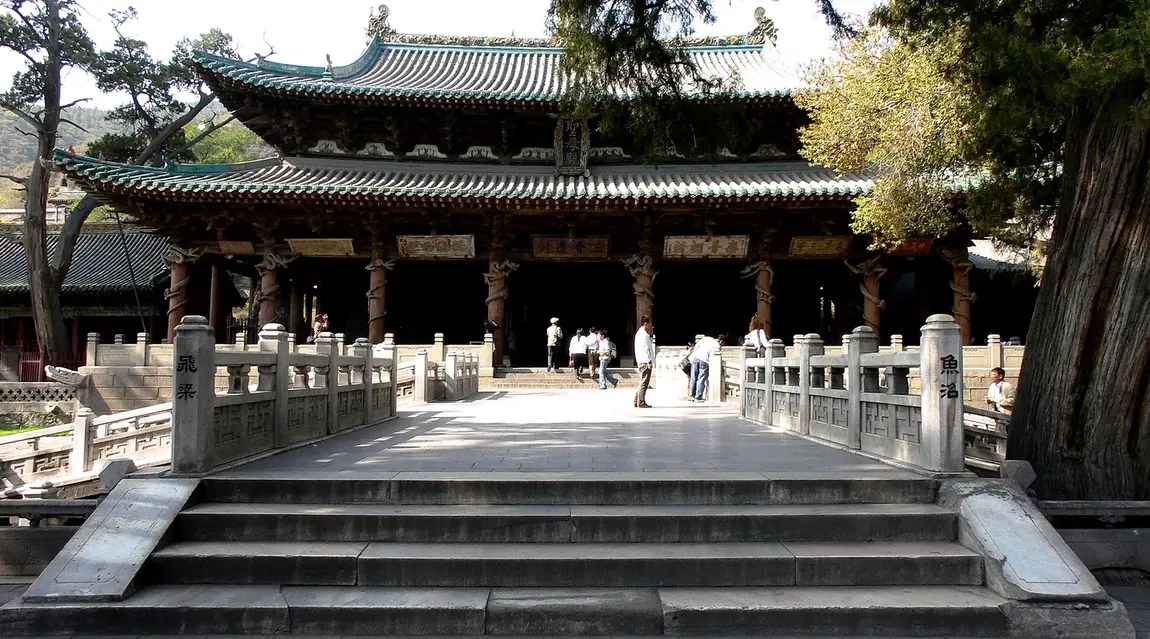
Shanxi matters because it preserves a timber world, not just a few old-looking buildings. The province turns Chinese architecture from image into structure and survival into something visible.Read More
Shanxi preserves more than monuments. Its temples, banks, compounds, passes, and city gates still read as parts of one social world, making old China feel spatial instead of abstract.Read More
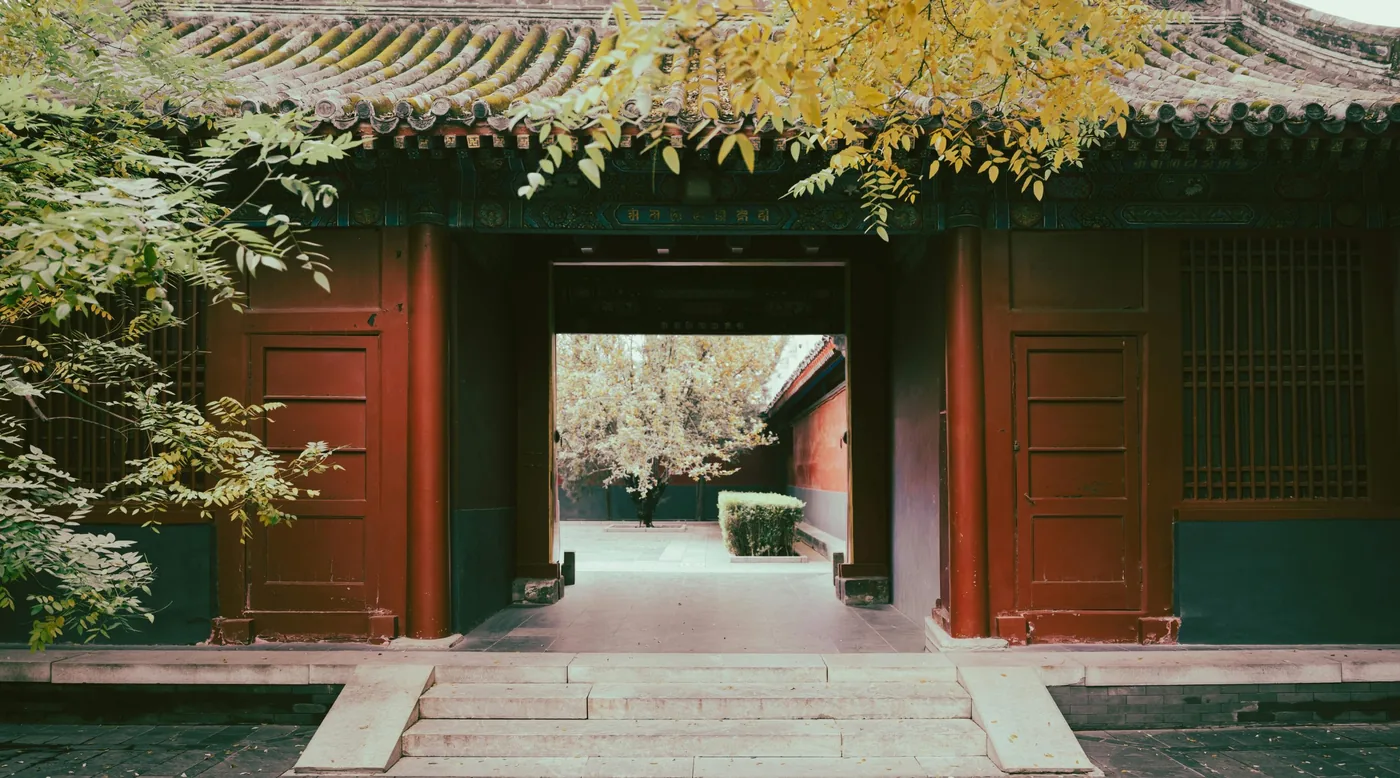
Jinci Temple is not just a temple stop near Taiyuan. It is one of the places that teaches travelers how to read Shanxi through water, timber, trees, and a slower historical rhythm.Read More
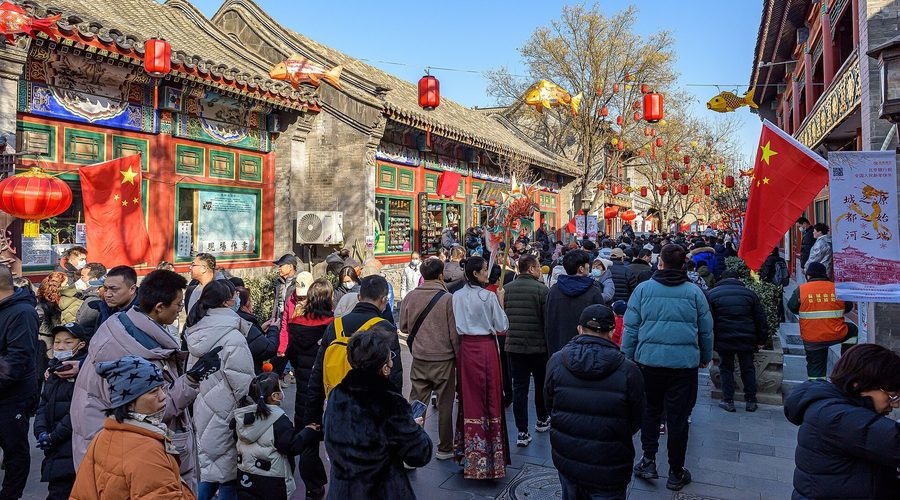
Liulichang Culture Street offers a slower, more literary side of Beijing: paper, ink, shop windows, scholar culture, and the kind of heritage walk that rewards patient looking.Read More



Recent Comments