China, a land of undeniable mystique and grandeur, has long fascinated travelers from around the globe. It is a country that doesn’t just invite visits; it demands an immersion. From its profound ancient history to its hyper-modern future, China is a destination of staggering contrasts, relentless energy, and surprising beauty. Yet, deciding to go can feel overwhelming. What truly awaits you there?
If you are pondering your next great adventure, here are ten compelling reasons why China should be at the very top of your list. This is not just a trip; it is an odyssey into the soul of the Middle Kingdom.
1. The Imprint of Millennia: Authentic History
When you stand in China, you are standing on the surface of thousands of years of continuous civilization. This isn’t history learned from books; it’s history you can touch.
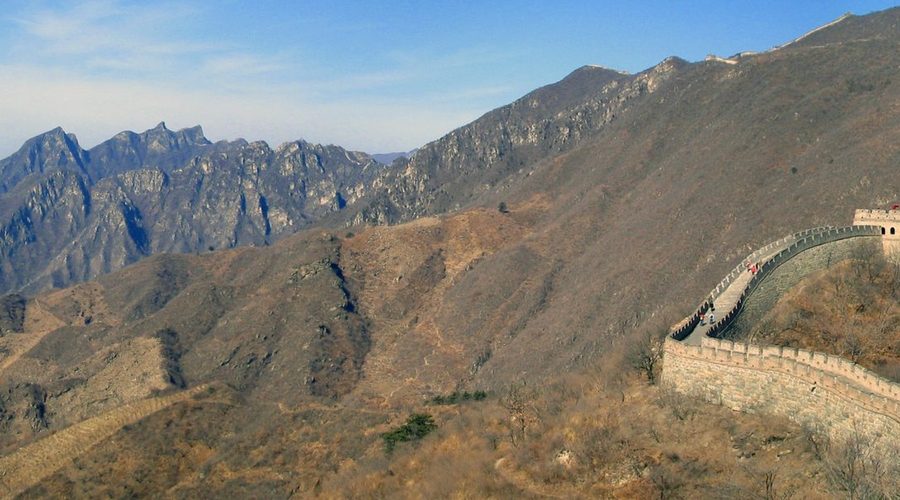
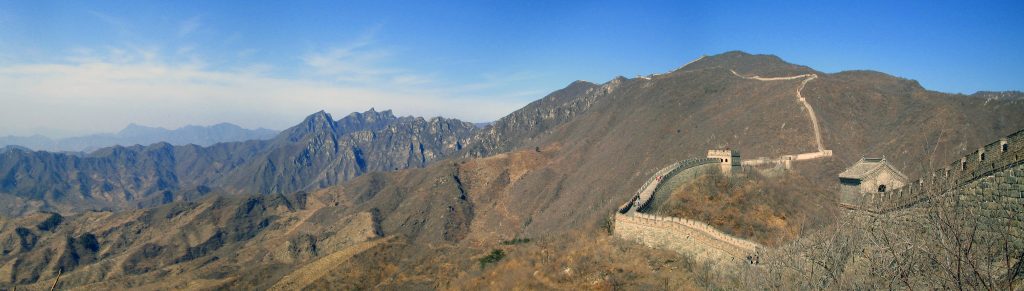
Imagine walking the rugged, winding stones of the Great Wall (China’s vast imperial frontier fortification) as it snakes across barren mountainsides. You aren’t just hiking; you’re treading the boundary of ancient empires, a colossal structure built to defend against nomadic invasions and still commanding respect today. It is an engineering marvel that defies imagination, stretching over 13,000 miles.
Then, there’s Beijing [bay-JING] (China’s capital) and its Forbidden City [goo-GOHNG] (故宫, the former imperial palace complex). For five centuries, this massive complex of almost 1,000 buildings was the exclusive domain of the Ming and Qing emperors, off-limits to ordinary mortals. Today, its crimson walls and yellow-tiled roofs are a public testament to the ultimate power of ancient China. Walking its vast, paved courtyards, you can almost hear the rustle of silk and the quiet steps of officials.
This is the kind of authentic history that leaves an indelible mark.
2. A Tapestry of Humanity: Rich, Divergent Cultures
China is not just one culture; it is an mosaic of 56 ethnic groups, each with its own language, traditions, and distinct way of life. The culture of the bustling, cosmopolitan east is vastly different from the pastoral traditions of the grasslands, the deep spirituality of the Tibet-Qinghai Plateau, or the vibrant, spice-loving lifestyle of the southwest.
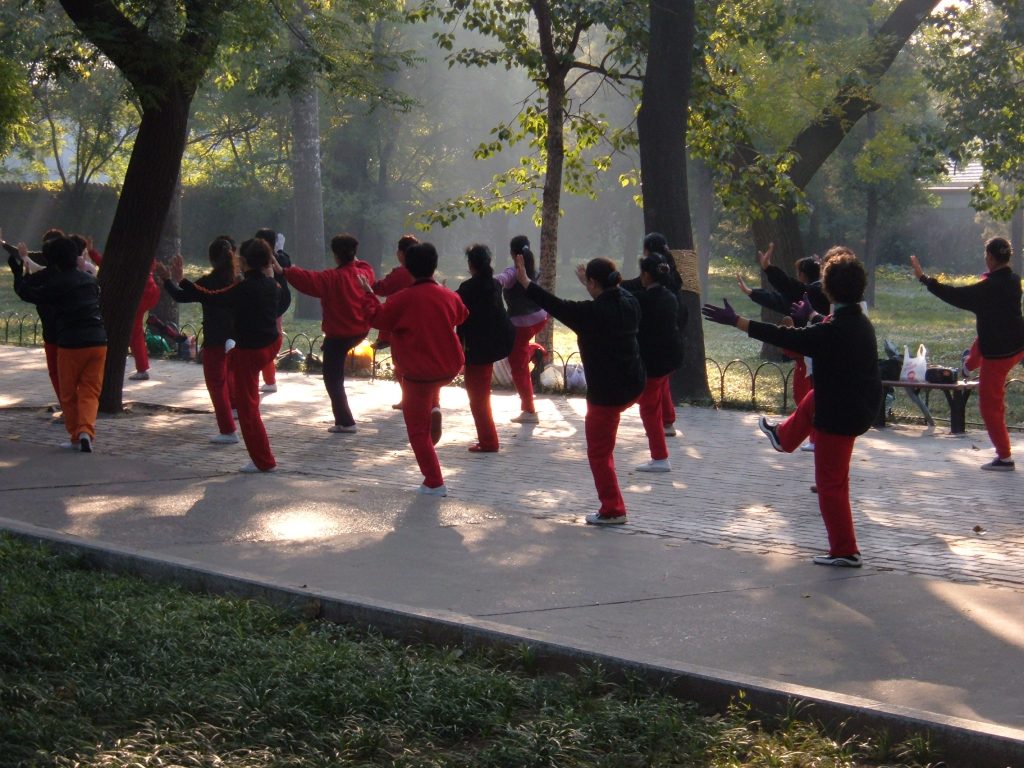
In Beijing, you can experience this firsthand. You might spend a morning learning tai chi [tie-CHEE] (a traditional Chinese mind-body practice) from a master at the Temple of Heaven [tee-EN-tahn] (天坛, Beijing’s best-known imperial ritual complex), aligning your mind and body with ancient Taoist practices. Later, you could find yourself in a local Siheyuan [SUH-huh-ywen] (a traditional northern Chinese courtyard house), participating in a masterclass of delicate arts like jianzhi [jyen-jrr] (the Chinese art of cut-paper decoration) or zhongguo jie [jong-gwaw jyeh] (the decorative art of hand-tied knots). This isn’t performative culture; it’s a window into the enduring, everyday life of the Chinese people.
3. Wonders from a Parallel World: Breathtaking Landscapes
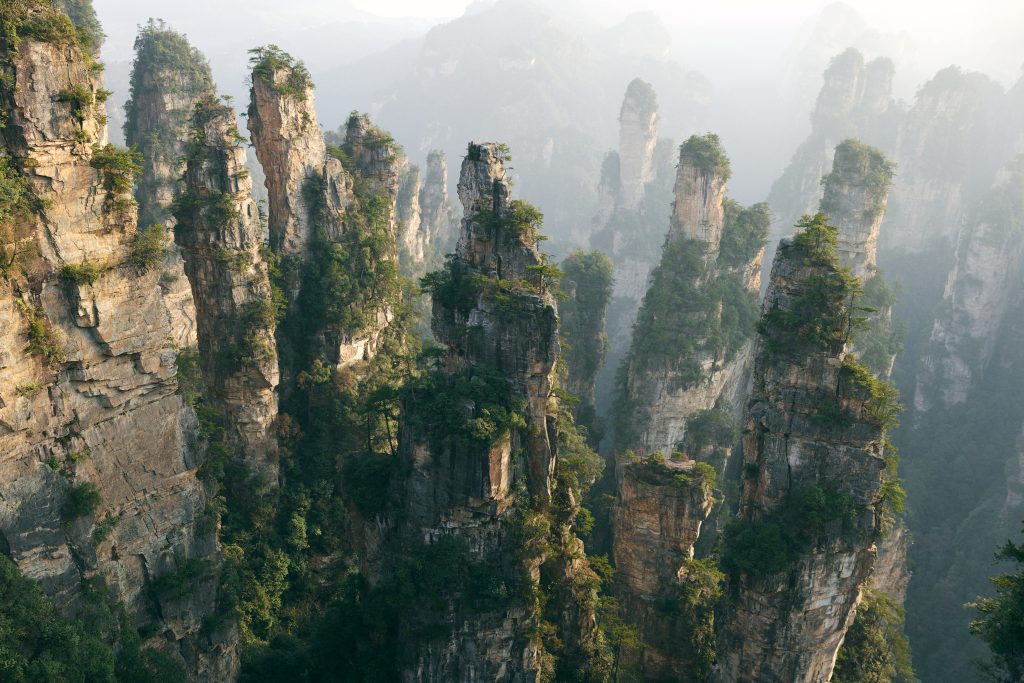
If you think China is just massive cities, you are about to be astonished. The country’s natural wonders are among the most unique and breathtaking on the planet, appearing like something out of a parallel world.
Consider the other-worldly sand dunes of Dunhuang [doon-HWAHNG] (an oasis city in Gansu) and Mingsha Shan [ming-shah SHAHN] (the Singing Sand Dunes), the jagged karsts of Guilin [gway-LIN] (a city famous for limestone peaks) that rise dramatically from the mist-shrouded Li River [LEE] (the region’s iconic scenic waterway), or the fantastical, misty peaks of Zhangjiajie [jahng-jyah-JYEH] (the sandstone mountain park in Hunan) that directly inspired the “Hallelujah Mountains” in the movie Avatar. This is nature that goes beyond beautiful—it is sublime and deeply humbling.
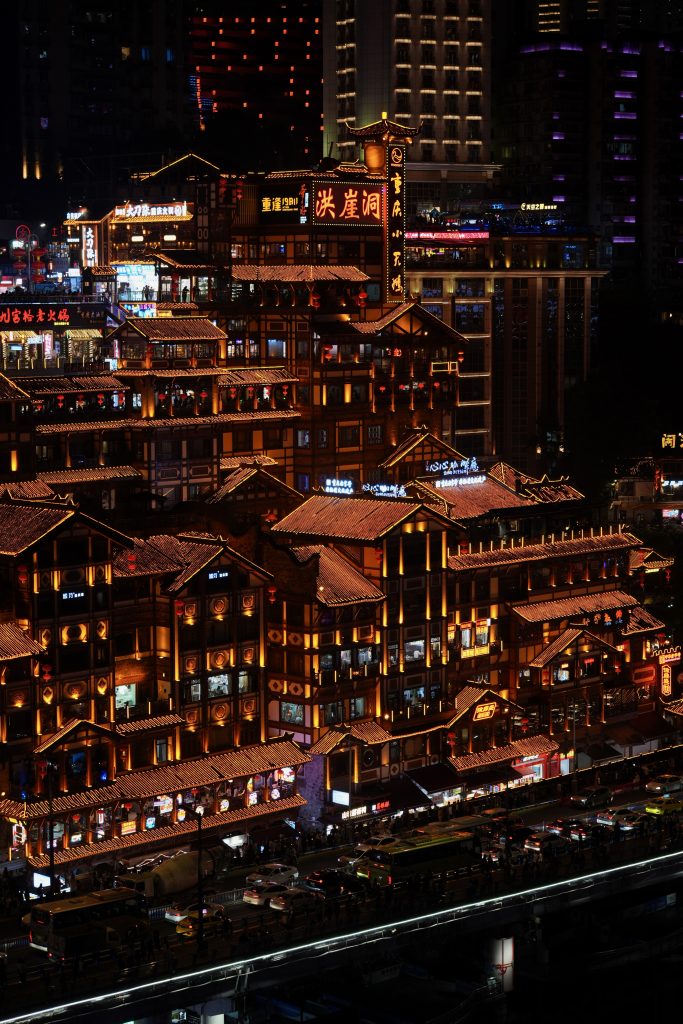
For something unexpected, explore the ancient, moss-covered, and mysterious Hongya Cave [hohng-YAH-dohng] (Hongyadong, 洪崖洞, the cliffside stilt-house complex in Chongqing) in Chongqing [chong-CHING] (China’s mountainous megacity in the southwest). While man-made, this architecture, perched on a cliff-face at the confluence of the Jialing River and the Yangtze River, looks like a direct descendant of that parallel world, especially when it is dramatically lit up at night.
4. An Explosion of Flavor: A Cuisine Worth the Trip Alone
“Chinese food” as most of the world knows it is but a tiny, simplified fraction of China’s true culinary universe. Food is central to Chinese life and identity, and the diversity of flavors is absolute.
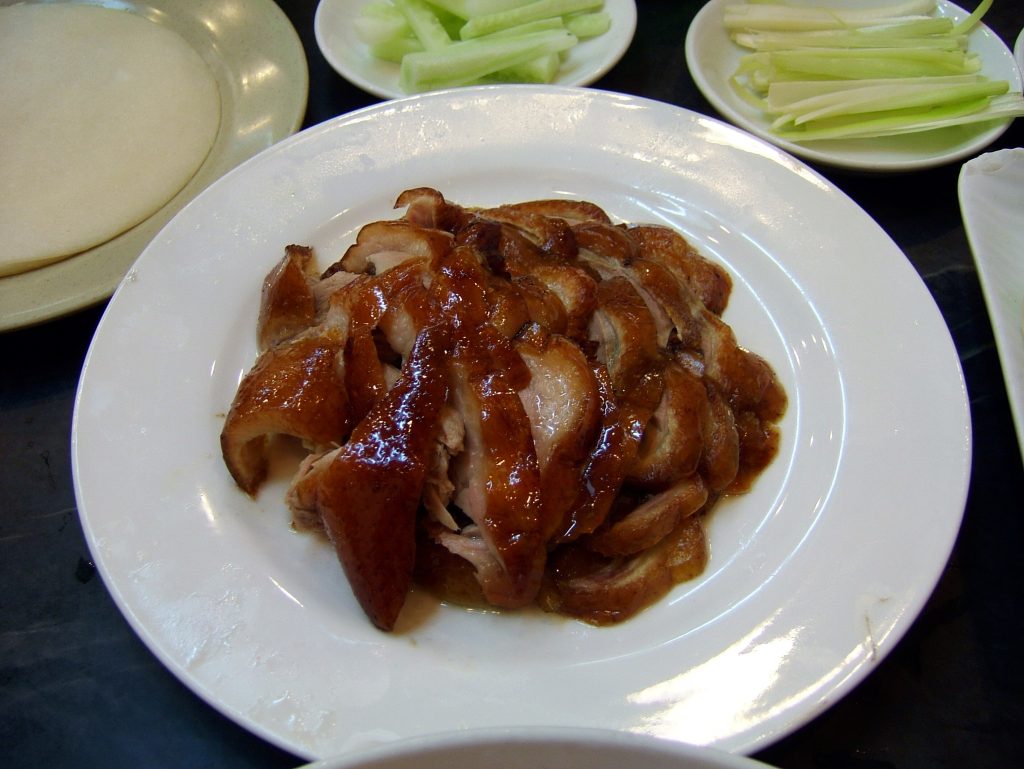
A true culinary experience must include a dedicated feast. Imagine sitting at a private table inside a historic Beijing siheyuan (a traditional courtyard residence in the capital), waiting for the authentic Peking duck (Beijing’s signature roast duck dish) to arrive. It is served with meticulous care—the skin crisped to a golden perfection, the meat expertly carved, all accompanied by delicate pancakes, sweet bean sauce, and fine threads of scallion. This isn’t a meal; it is a ritual.
Alternatively, you could experience the interactive fun and customizable flavors of a traditional Beijing-style hotpot (the capital’s copper-pot communal meal), or the artistic presentation of a lavish palace-style banquet (a meal inspired by imperial court cuisine), where food is presented like works of art. From the mouth-numbing fire of Sichuan peppers to the delicate sweetness of Cantonese seafood, China is a culinary adventure that never ends.
5. Urban Futures in the Present Tense: Dynamic, Modern Cities
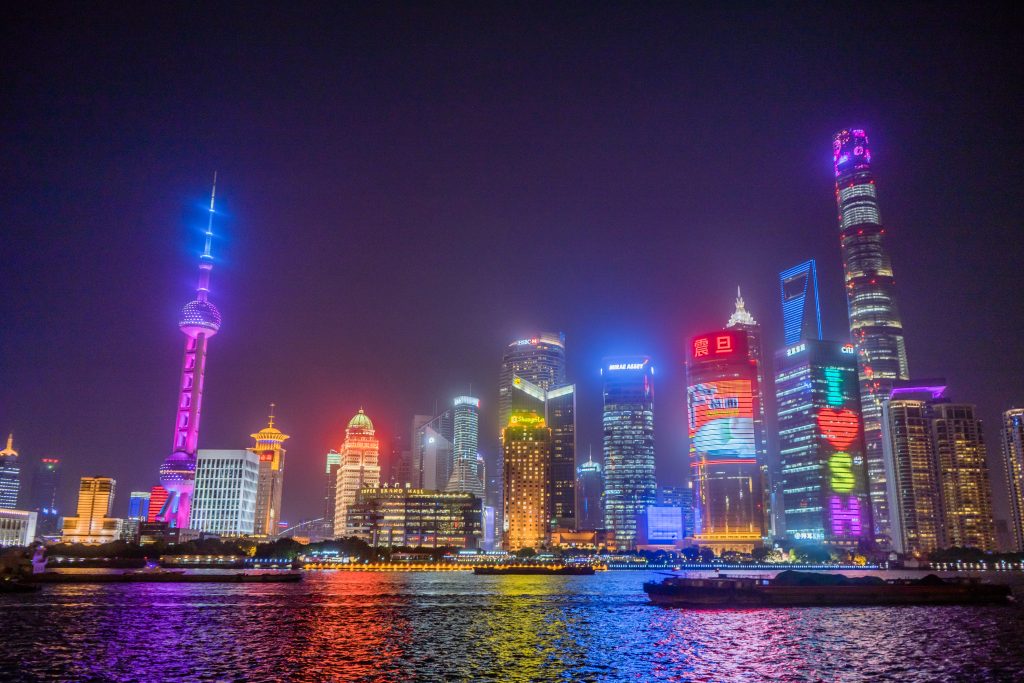
While steeped in history, China is also home to some of the most advanced and dynamic urban centers on the planet. Cities like Shanghai, Shenzhen, and Chongqing feel like they have stepped out of the pages of a sci-fi novel.
You can ride the world’s fastest Maglev train, marvel at skyscrapers that twist and light up the sky, and witness a society that is rapidly digitizing. China is leading the way in mobile payments, facial recognition, and smart city technology. Walking the streets of Shanghai [shahng-HIGH] (China’s biggest global city) and its Lujiazui financial district, surrounded by colossal structures of steel and glass, you are not just in a modern city; you are witnessing the urban future in the present tense.
6. Where Time Stood Still: Historic Water Towns and Village Life
As a counterpoint to the relentless modernity, China has successfully preserved pockets of time. Scattered throughout the country are ancient water towns where life still moves to the quiet rhythm of the river.
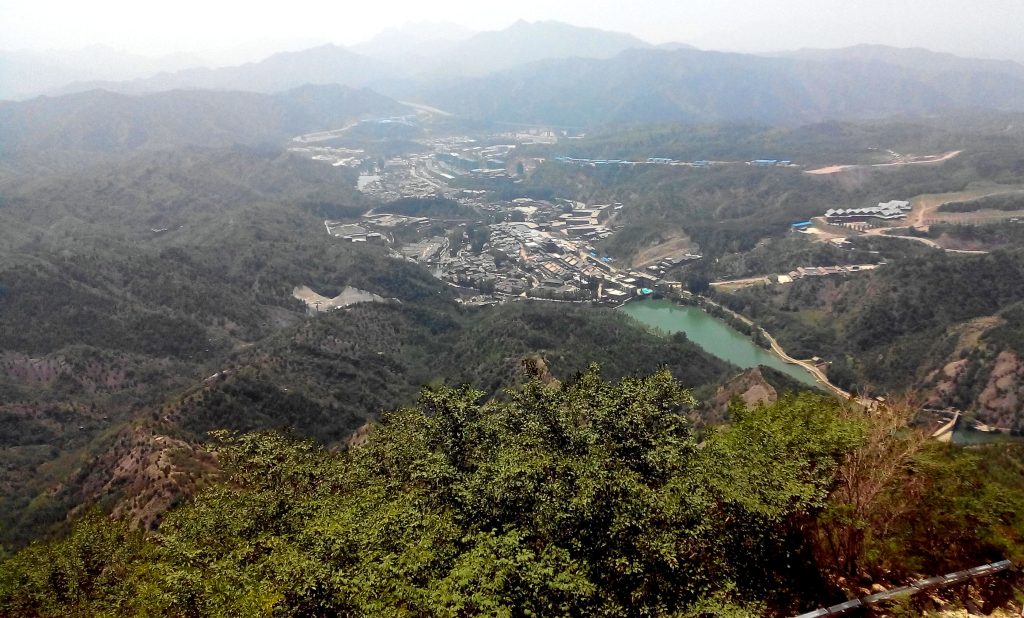
Gubei Water Town [goo-BAY] (古北水镇, a canal-side resort town near the Great Wall), near Beijing, is a stunning example. Imagine a picturesque village of canals and stone bridges, nestled directly at the foot of the Great Wall. An overnight stay here allows you to disconnect from the modern world, indulge in a luxurious hot spring, and experience the pure magic of the illuminated Great Wall in the silence of the night. It is a moment of deep, timeless peace.
7. The Power of Living Wellness: Ancient Eastern Wisdom
China is home to a unique and deeply effective system of wellness that has been refined over thousands of years. Traditional Chinese Medicine (TCM) is not just about treating illness; it is about cultivating health and longevity by balancing the body’s internal energies.
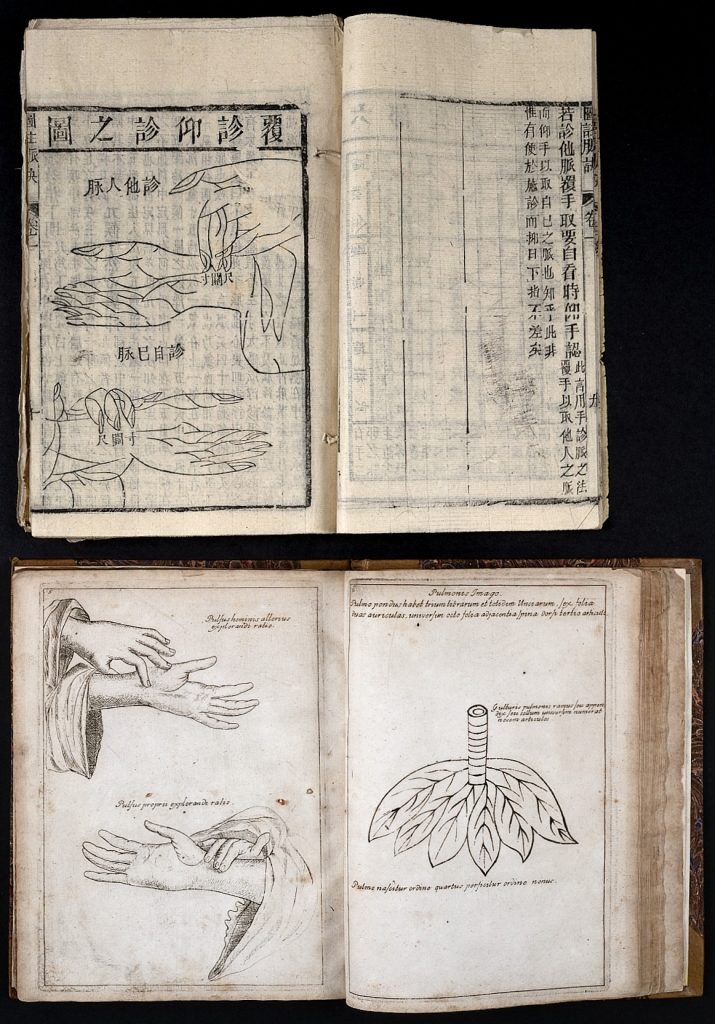
You can access this profound knowledge. A trip might include a personalized TCM pulse diagnosis session with a respected doctor, giving you insight into your own body’s balance and needs. This can be complemented by restorative treatments like acupuncture or cupping (thermal bathing). For the ultimate rejuvenation, many itineraries, especially Option 2, integrate a complete executive health screening at a top-tier hospital, giving you a powerful, data-driven wellness foundation for your journey.
8. A Window into the Spiritual Soul: Magnificent Architecture
China’s traditional architecture is a visual and deeply symbolic expression of its philosophical and spiritual beliefs. Unlike the stone architecture of Europe, China’s master structures are made of wood and based on principles of harmony and balance.
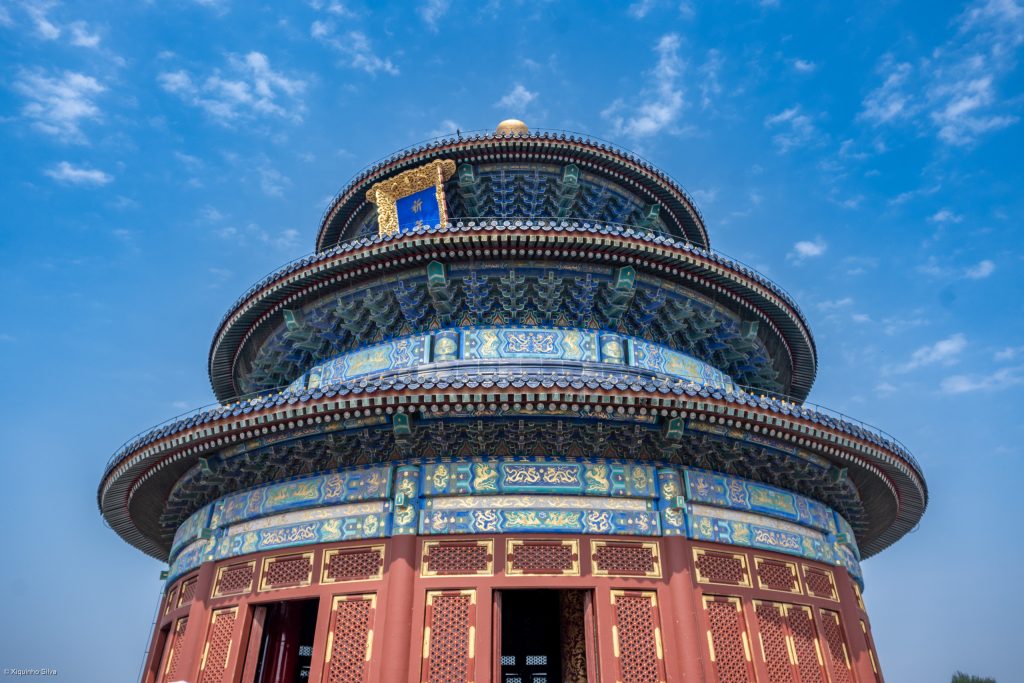
The grand architecture of the Temple of Heaven in Beijing, with its triple-gabled Circular Mound Altar and triple-tiered Imperial Vault of Heaven, is a perfect, symmetrical symbol of the connection between Heaven and Earth. Its precise geometry and intricate design are not just beautiful; they are intended to facilitate the alignment of the human realm with the cosmic order. Seeing these colossal, brightly painted structures against a clear sky is a powerful visual experience that taps into the spiritual soul of the country.
9. A Masterclass in Human Effort: Mind-Boggling Engineering
From ancient times to the present, China has been a society capable of massive, coordinated human effort. The results are engineering marvels that are truly mind-boggling.
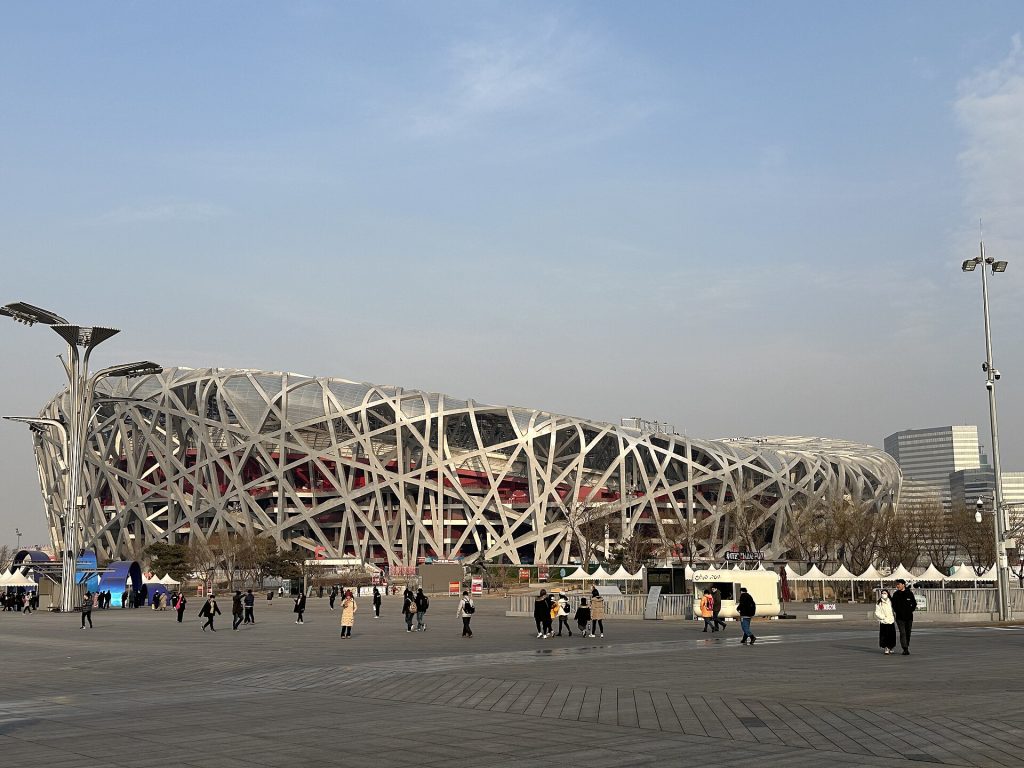
You see it in the past with the Great Wall, the 1,400-mile Grand Canal (China’s historic north-south waterway and the world’s oldest and longest canal), and the entire structured plan of Beijing itself. You see it in the modern era with the Three Gorges Dam (the world’s largest power station), the incredible high-speed rail network (the world’s longest), and the architectural marvel of the “Bird’s Nest” (Beijing’s National Stadium) and the “Water Cube” (Beijing’s National Aquatics Center) built for the Olympics. These structures are not just functional; they are testaments to what can be achieved through collective vision and sheer determination.
10. A Country Like No Other: Surprise and Inspiration at Every Turn
The final and most compelling reason to travel to China is that, simply, it is unlike any other place. No matter how much you have traveled, China will still surprise you. The scales are grander, the contrasts are sharper, the history is deeper, and the inspiration is endless.
It is a place where you can experience executive health wellness in the morning and ancient palace banquets at night. It is a place where you can find hidden cultural secrets in a 1,000-year-old Hutong or witness the urban future on a magnetic levitation train. China is a country that challenges and rewards the curious traveler, providing a wealth of stories, perspectives, and experiences that will reshape how you see the world.
Don’t just observe the world; experience it. Book your odyssey into the Middle Kingdom today.
Browse journeys: explore Dragon Discover tours across China if you want to turn these big ideas into a real route.
Image Credits
- Great Wall panorama — Fabienkhan / Wikimedia Commons (CC BY-SA 2.5)
- Tai Chi at the Temple of Heaven — BrokenSphere / Wikimedia Commons (CC BY-SA 3.0)
- Zhangjiajie National Forest Park — JL Cogburn / Wikimedia Commons (CC BY-SA 2.0)
- Hongyadong at night — Lianguanlun / Wikimedia Commons (CC BY 4.0)
- Peking duck in Beijing — Mr Wabu / Wikimedia Commons (CC BY-SA 2.0)
- Shanghai Lujiazui skyline — Larry Qian / Wikimedia Commons (CC0)
- Gubei Water Town from Simatai Great Wall — Aaron Zhu / Wikimedia Commons (CC BY-SA 3.0)
- Pulse taking in Chinese medicine — Wellcome Collection / Wikimedia Commons (CC BY 4.0)
- Hall of Prayer for Good Harvests — xiquinhosilva / Wikimedia Commons (CC BY 2.0)
- Beijing National Stadium (Bird’s Nest) — P. K. Koo / Wikimedia Commons (CC0)
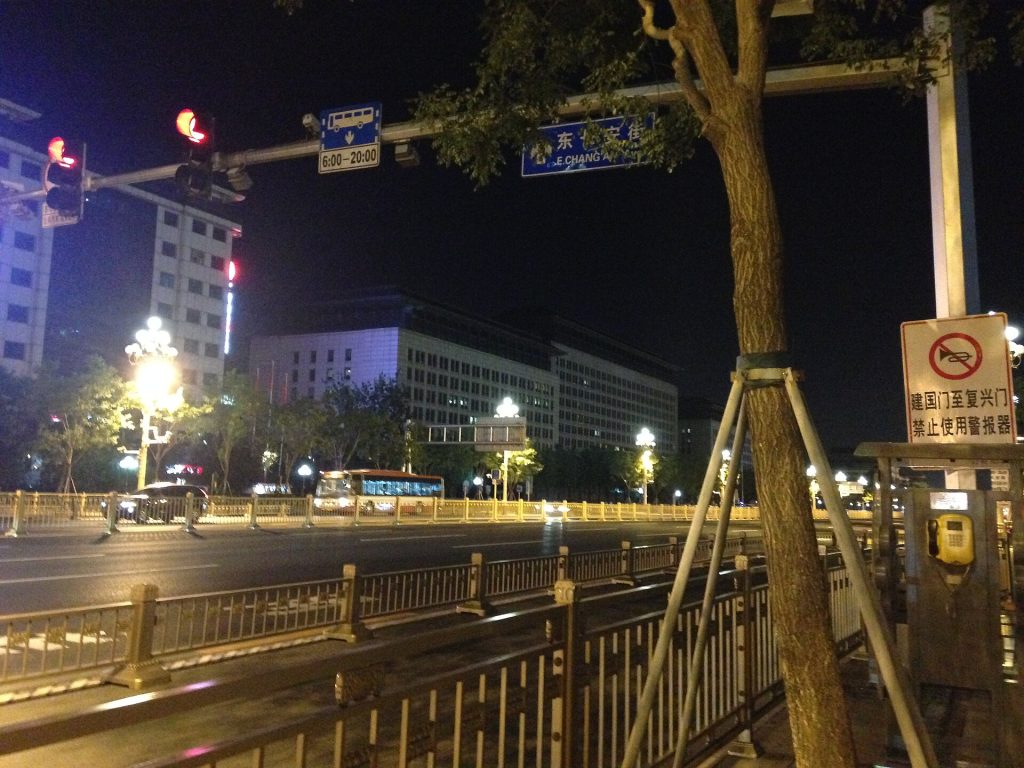
- Dong-Changanjie Street at night — そらみみ / Wikimedia Commons (CC BY-SA 4.0)