Login

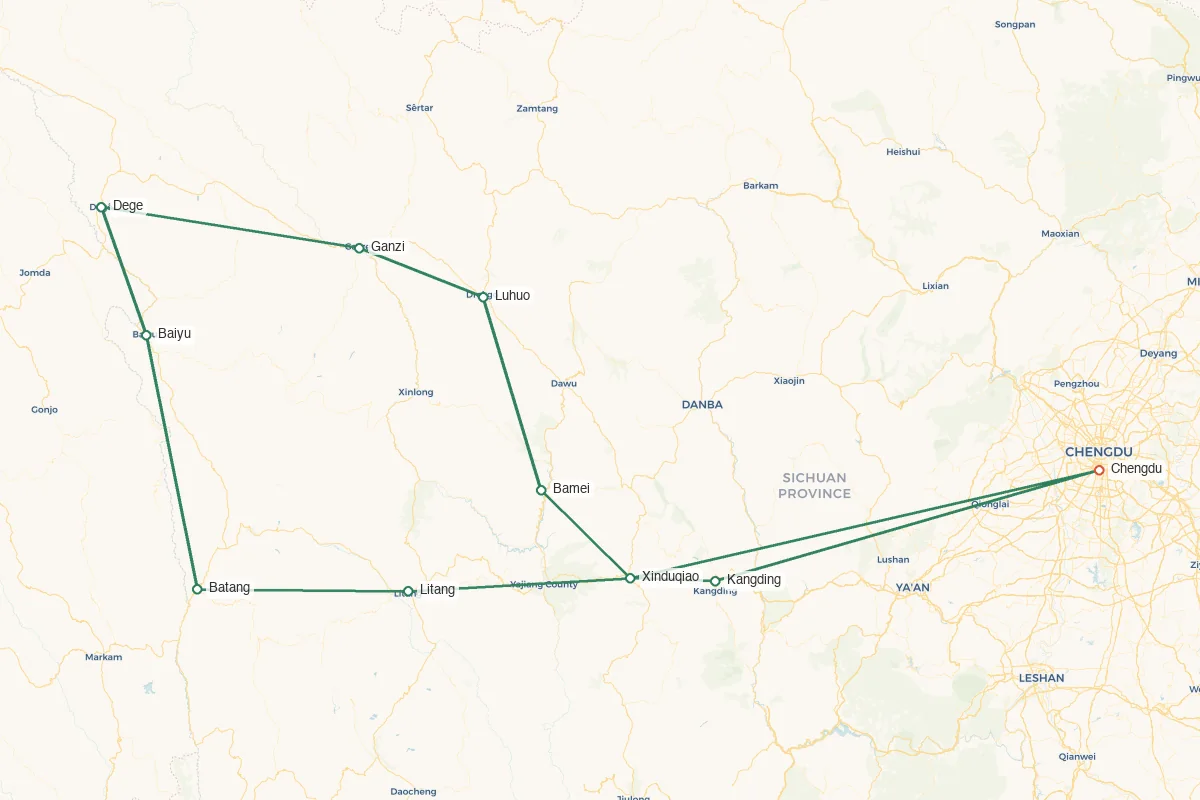
A 14-day privately guided loop from Chengdu deep into the Tibetan highlands of Western Sichuan and back.
Kangding, Tagong Grassland, Moxi Stone Park, Dege Printing House, thangka painting, handmade Tibetan incense, and high-altitude lakes — then south through Litang and the golden light of Xinduqiao. Giant pandas on Day 2, silence above 4,000 metres by Day 8. The route is designed as a gradual altitude arc: plains to pass to plateau, with rest days built into the climb, and the final leg returning you to Chengdu’s warmth and low elevation for one last evening before departure.
Your driver meets you at Chengdu Shuangliu International Airport or Chengdu Tianfu International Airport with a name sign — from here, everything is handled. A private vehicle takes you to your city-centre hotel (approximately one hour depending on airport).
The rest of the day is yours to recover from the flight and settle in at your own pace. If you arrive early enough, your guide can recommend nearby options for a first taste of Chengdu’s street food scene — but tonight’s dinner is self-arranged, and there is no pressure to do anything except rest.
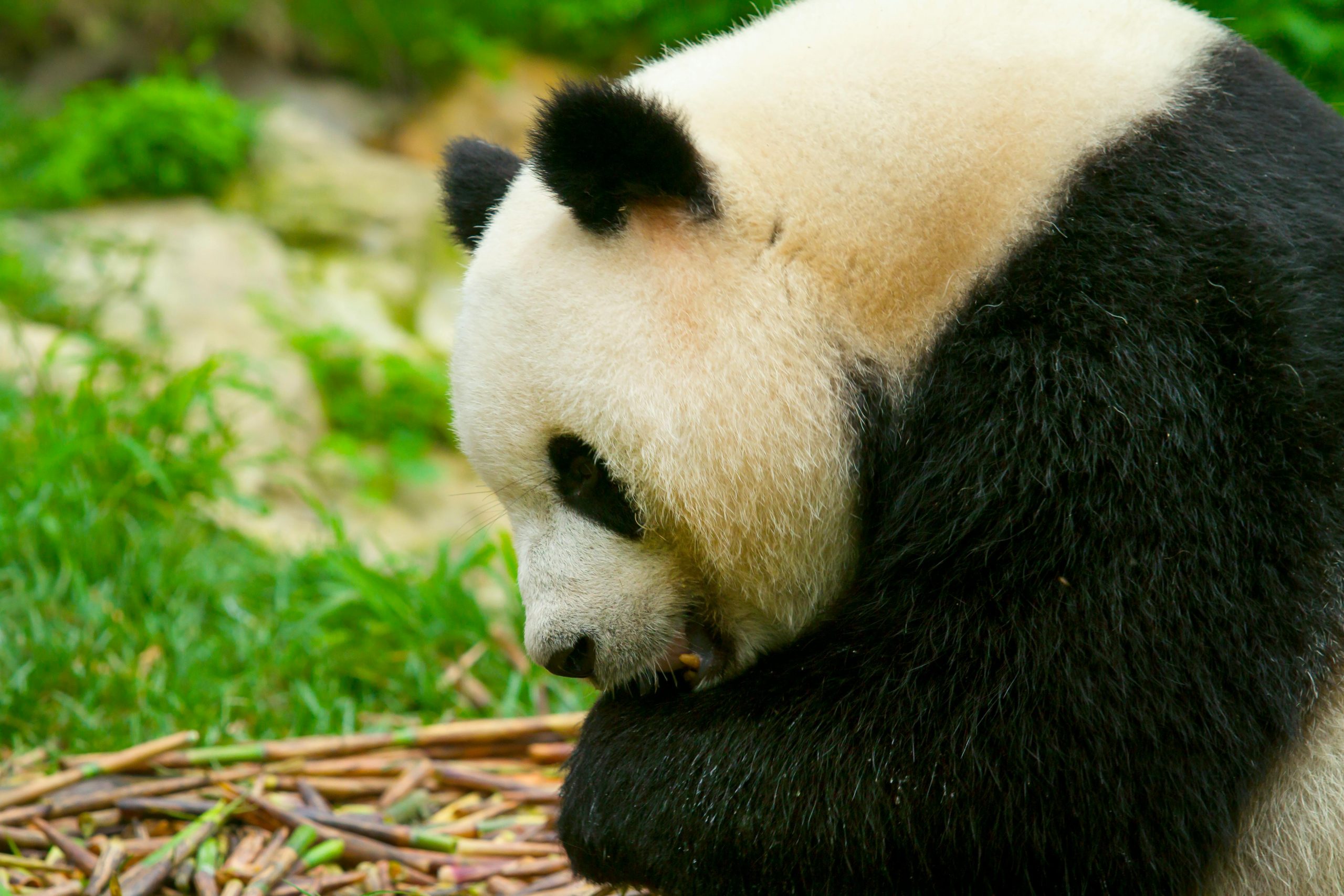
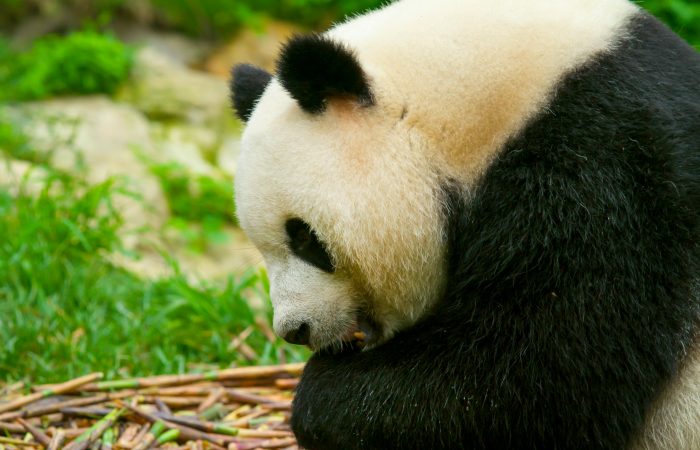
The morning opens at the Chengdu Giant Panda Breeding Research Base — the world’s largest panda conservation centre, where giant pandas, red pandas, and cubs go about their morning routines behind bamboo screens and in open enclosures. Arrive early for the most active window; your guide navigates you past the crowds to the best viewing spots.
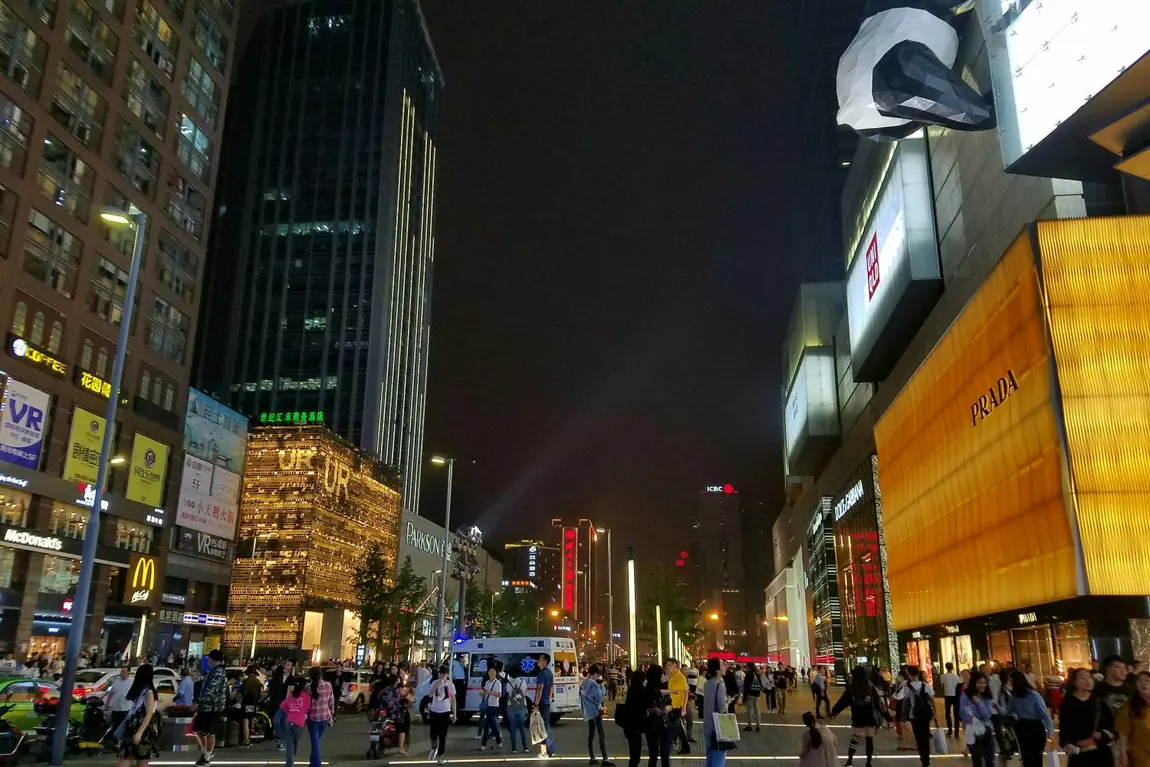
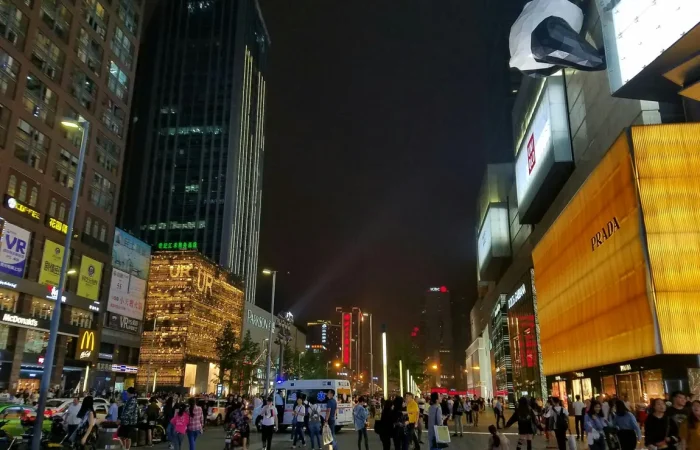
After a Chengdu-style lunch, the afternoon shifts to Kuanzhai Alley (*Kuanzhai Xiangzi*) — three parallel Qing-era lanes where teahouse life, ear-cleaning barbers, and courtyard restaurants occupy restored garrison houses. The pace here is deliberately slow; your guide introduces the neighbourhood’s history as a Manchu military quarter and how it evolved into Chengdu’s most emblematic cultural street.
The evening is free. An optional Traditional Chinese Medicine massage or acupuncture session (60–90 minutes) is included in the optional Wellness Package — select when booking.
A gentler day designed to slow the pace before the highlands begin. The morning offers a choice: head to People’s Park (*Renmin Gongyuan*) for covered-bowl tea among locals — the most authentic window into everyday Chengdu life, where retirees play cards, street performers set up, and the entire park operates at a famously unhurried tempo. (Alternatively, a premium health screening at a Chengdu medical centre is available as part of the optional Wellness Package — select when booking.)
After lunch, you visit the Rongfu Tibetan Scripture Museum in Wenjiang — a privately curated collection of Tibetan manuscripts, woodblock prints, and religious artefacts with a dedicated English-speaking guide. This is a deliberate cultural primer: the museum introduces the Tibetan written tradition, religious art forms, and cultural geography that you will encounter in person over the next ten days.
Dinner rounds out the day before returning to the hotel.
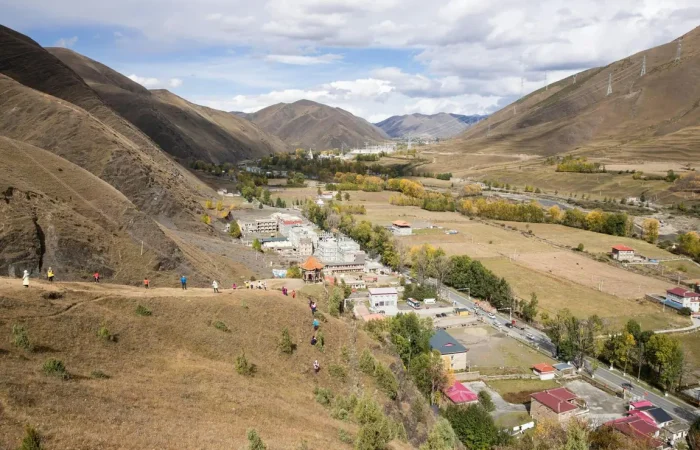
Today the journey leaves the Sichuan lowlands behind. After breakfast and checkout, you drive west toward Kangding — the river-valley town that has served as the meeting point between Han Chinese and Tibetan cultures for centuries. The 4–4.5 hour drive passes through Ya’an and climbs steadily through the Erlang Mountains; your guide narrates the Tea Horse Road history that shaped this corridor.
Lunch in Kangding features highland Sichuan flavours — yak meat and wild mushroom hotpot, hearty enough for the cooler air. The afternoon is a gentle walk through Kangding’s old town: prayer wheels lining the river, Tibetan shopfronts, and a short introduction to the prayer-wheel ritual (*mani*) that your guide demonstrates. The town sits at 2,560 m — high enough to notice the thinner air, but low enough to ease in gradually.
Dinner is early, with a quiet evening at the guesthouse. Hot tea and a foot soak help the body adjust. Your guide briefs you on the altitude protocol for the days ahead.
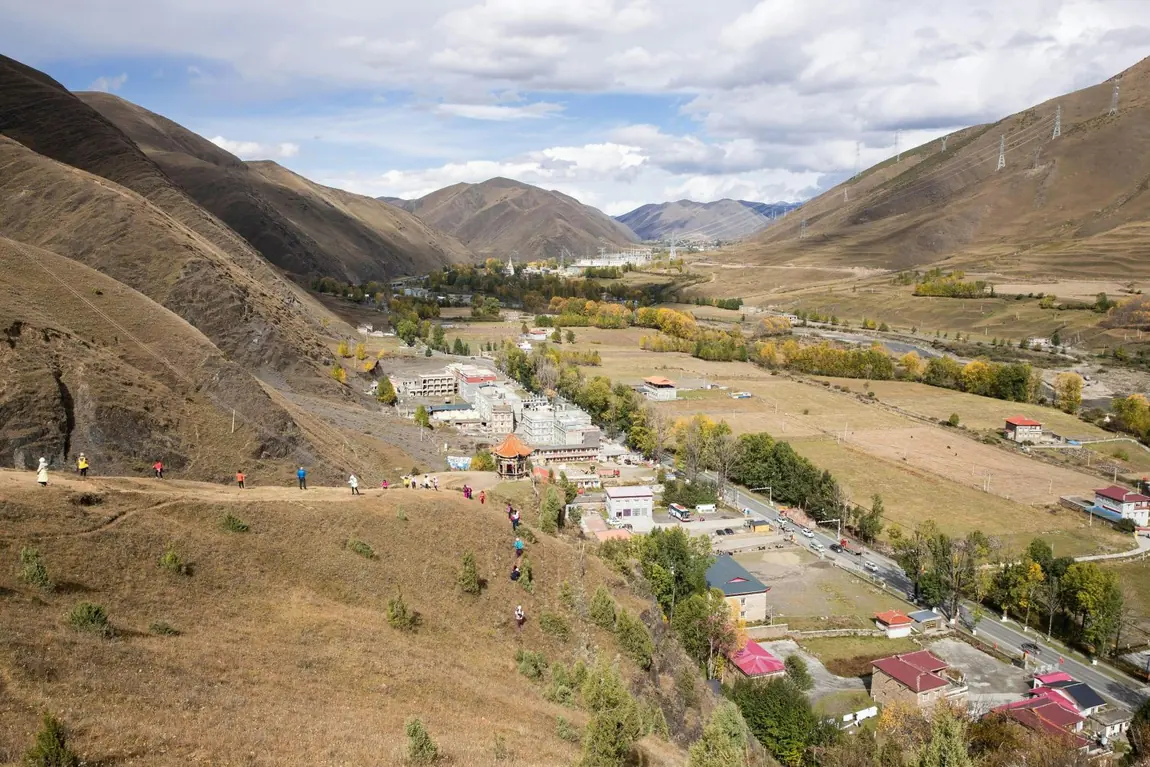
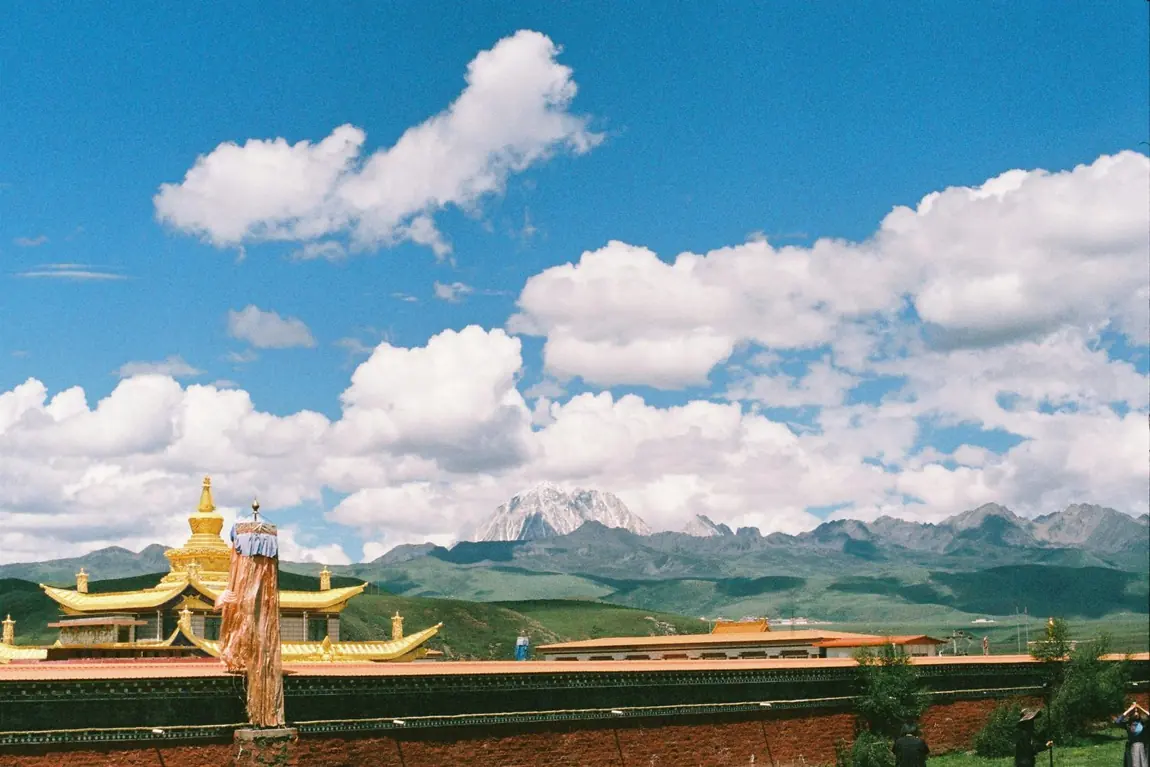
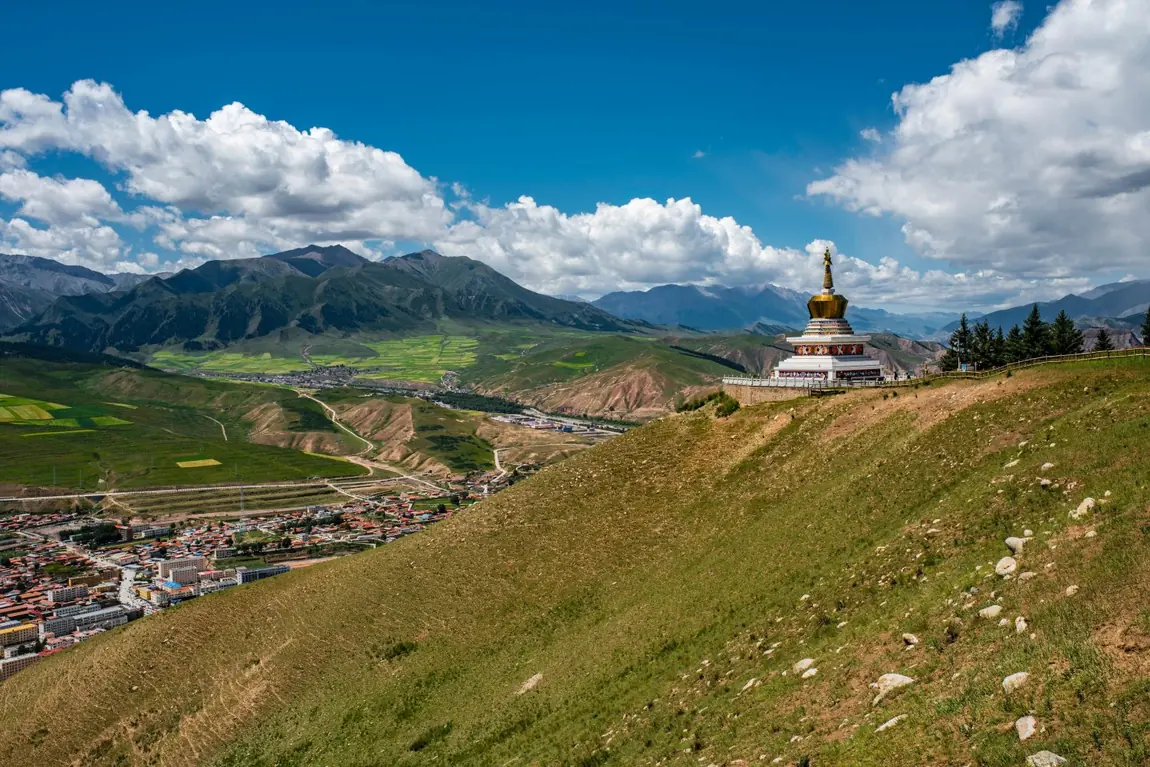
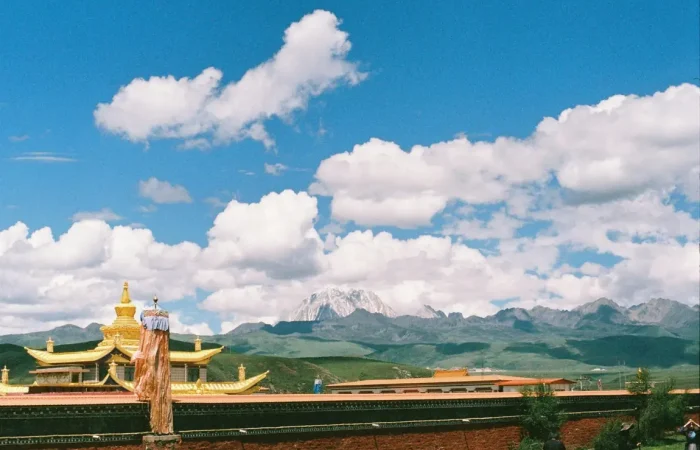
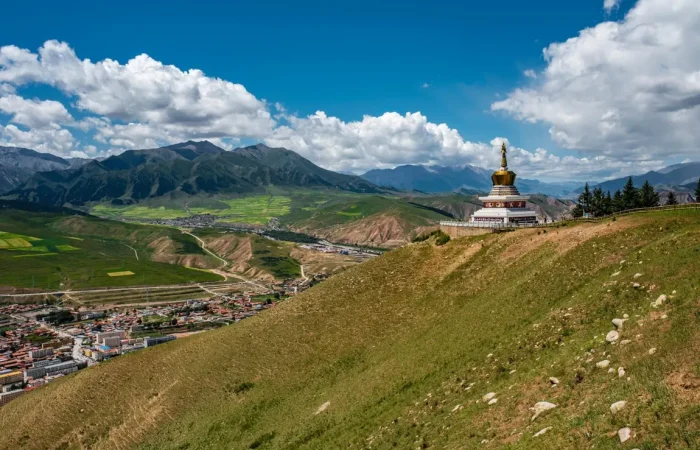
If yesterday was the doorstep, today the landscape opens. After breakfast, you drive north from Kangding toward Tagong Grassland (about 2–2.5 hours, with a short photo stop along the way). The open plateau stretches out under Yala Snow Mountain in the distance — your driver pulls over at the strongest viewpoints, and the group spends an unhurried hour walking the grassland, photographing prayer flags, snow ridgelines, and morning cloud.
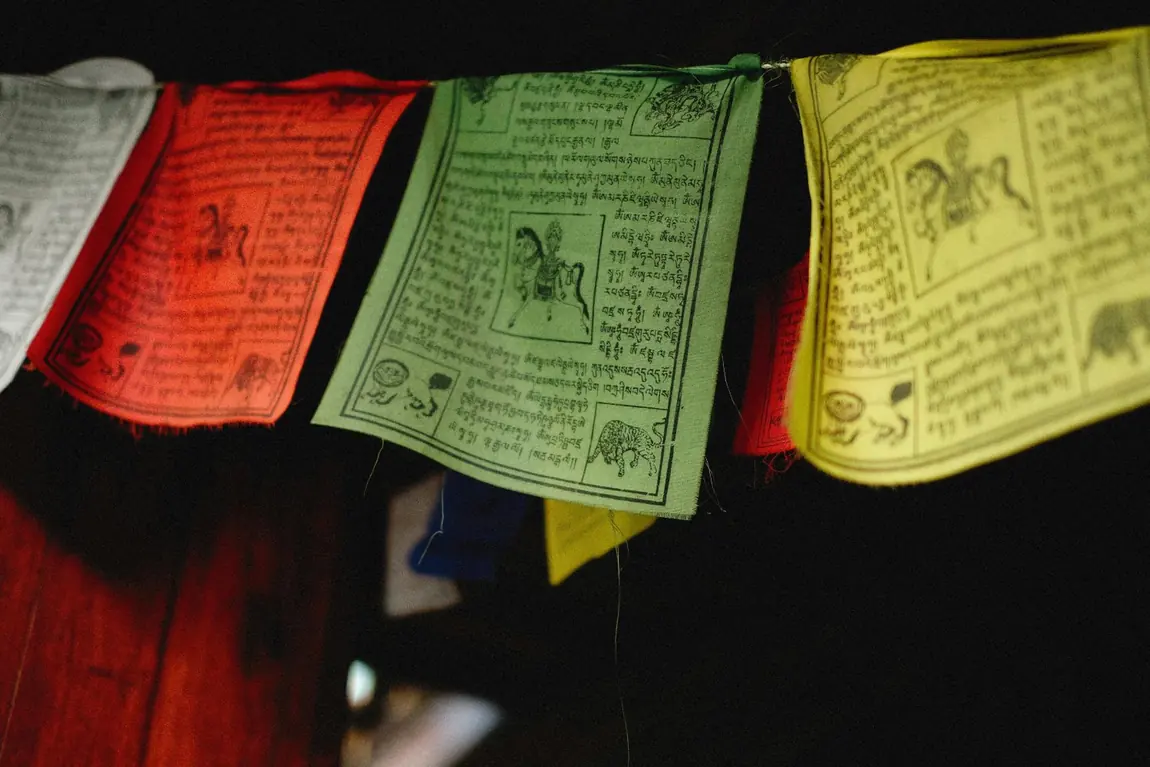
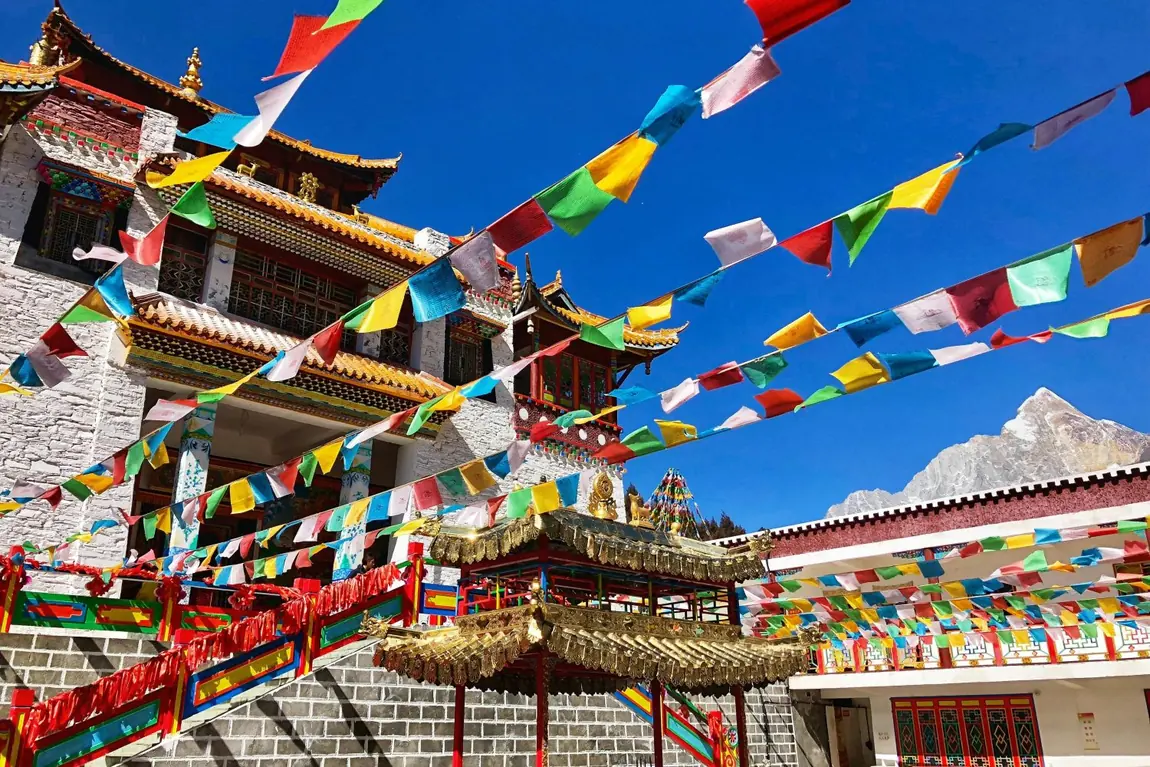
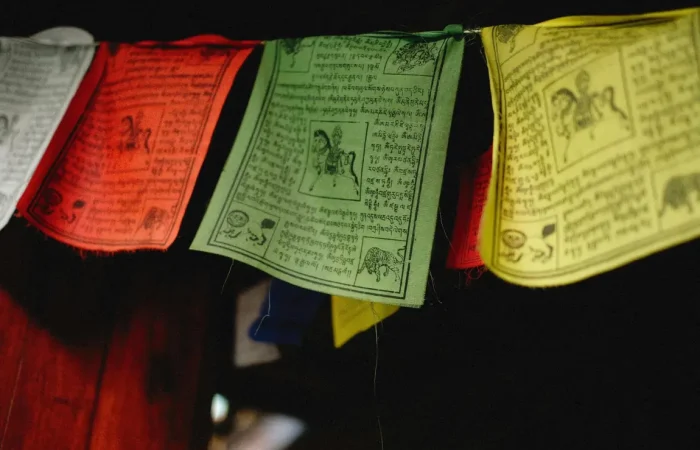
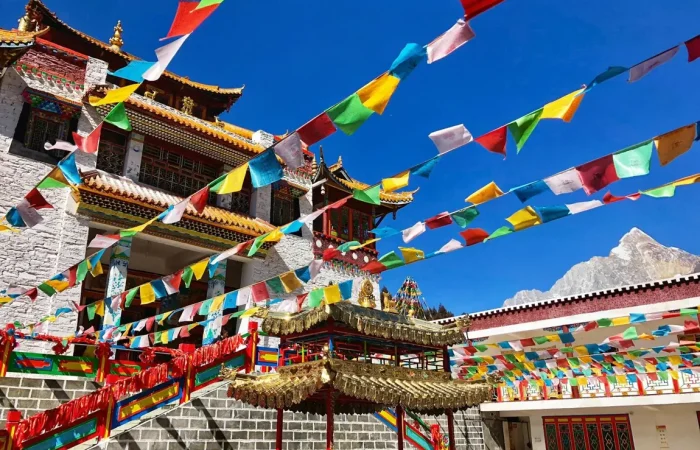
Lunch is in Tagong town. Nearby, your guide introduces Tagong Temple and the prayer-flag culture that covers every hillside in this region — entrance is optional depending on the temple’s open hours and the group’s interest.
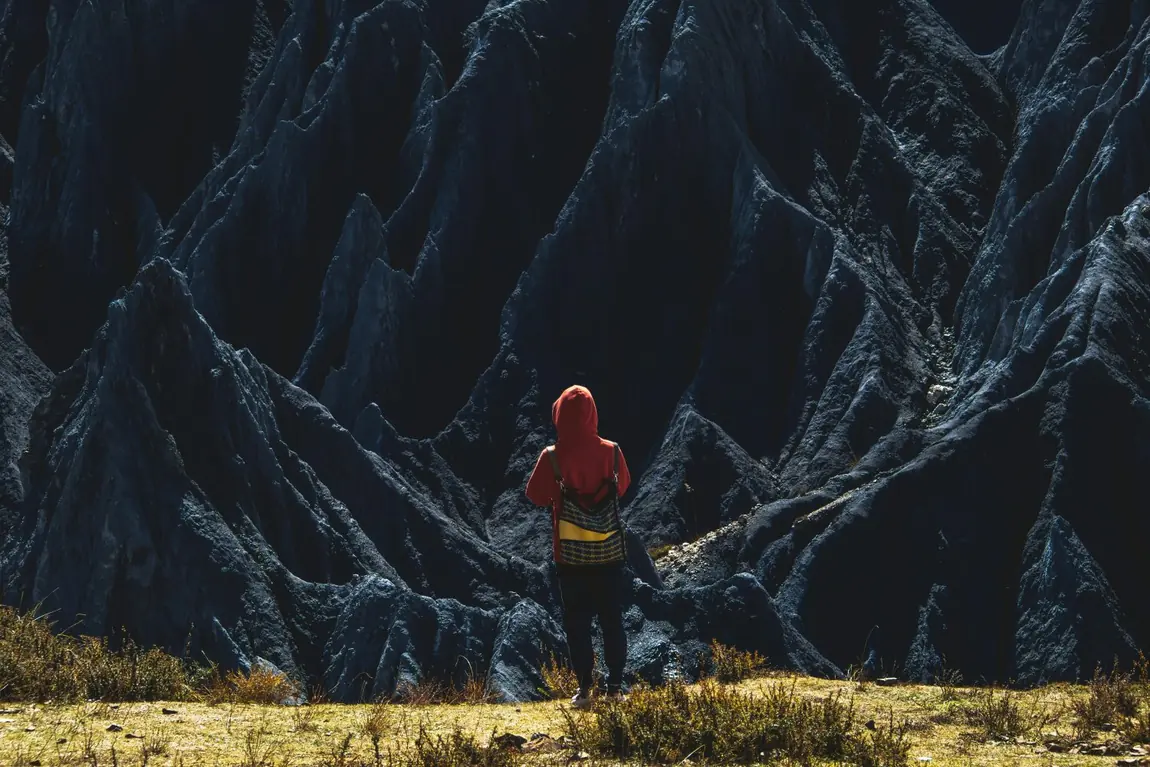
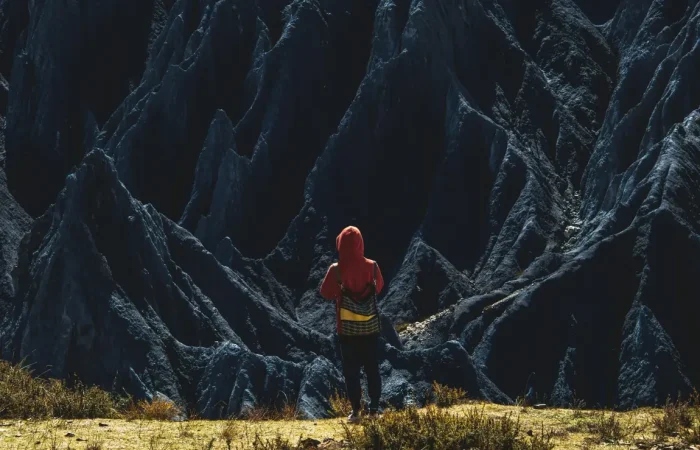
The afternoon shifts to Moxi Stone Park (*Moshi Gongyuan*) — a geological anomaly where soft, dark stone has eroded into spires, pillars, and ravines that look imported from another planet. A two-to-two-and-a-half-hour walking circuit threads through the formations along plank-and-stairway boardwalks; the colours shift as the light changes, and there is almost no one here.
A short final drive (about 30 minutes) brings you into Bamei, where you check in to a Tibetan guesthouse with hot tea and blankets. Elevation climbs to approximately 3,500 m; the guide checks in on everyone’s condition and recommends hydration and early rest.
A gentler, more grounded day after the dramatic landscapes of Bamei. After breakfast, a short drive (about 30 minutes) brings you to Huiyuan Temple (*Huiyuan Si*) — a quiet Tibetan Buddhist monastery commissioned by Emperor Yongzheng in 1728 and best known as the seven-year residence of the Seventh Dalai Lama and the recognised birthplace of the Eleventh. Your guide walks the group through the prayer halls, explains the etiquette for entering active spaces (head uncovered, voices low), and translates the wall iconography. The atmosphere here is everyday rather than monumental — monks at their routines, juniper smoke drifting across the courtyard.
The road continues for an hour or so to Longdeng Grassland (*Longdeng Caoyuan*) — known to locals as Gesar Tong, the grassland where the legendary King Gesar once camped his army. After a simple roadside lunch, the group spends roughly two hours on a flat walking loop: open meadow, grazing yaks, fenced pasture and the snow ridges of the surrounding range in the distance. If your trip falls in late July, this is the site of the Longdeng Horse Racing Festival — a state-recognised intangible heritage event that fills the grassland with riders, song, and Buddhist ceremony.
A further drive of about 1.5 to 2 hours brings the group into Luhuo, where you check in to the county hotel for the evening. Elevation is approximately 3,250 m — slightly lower than Bamei, giving the body a small reprieve.
Today is built around two experiences that bring Tibetan culture from observation to participation. After breakfast, the drive to Ganzi County takes approximately 2.5 hours through open highland valley.
The first stop is Donggu Temple (*Donggu Si*) — a working Tibetan Buddhist monastery where monks go about their daily routines, prayer halls hum with chanting, and the atmosphere is thick with juniper smoke. Your guide translates the iconography and rituals as the group moves through at a respectful pace. This is not a museum — it is an active place of worship, and the experience is most powerful when the group simply observes and absorbs.
The afternoon is a full Tibetan incense workshop at a local artisan studio near Donggu. Over three hours, you learn the raw ingredients — cypress, juniper, medicinal herbs — and work through the traditional hand-rolling process from grinding to shaping. The finished incense sticks are yours to take home: small, fragrant, and one of the most tangible souvenirs of the trip.
Dinner and overnight in Ganzi. Elevation approximately 3,390 m.
The deepest day of the journey — both geographically and culturally. After breakfast, you drive to Gala Juewo Monastery (*Gala Juewo*), where a gold-leaf offering ceremony lets the group participate in a Buddhist devotional ritual: applying thin gold leaf to a sacred statue under monastic guidance. The ceremony is quiet, deliberate, and surprisingly moving even for non-religious travelers.
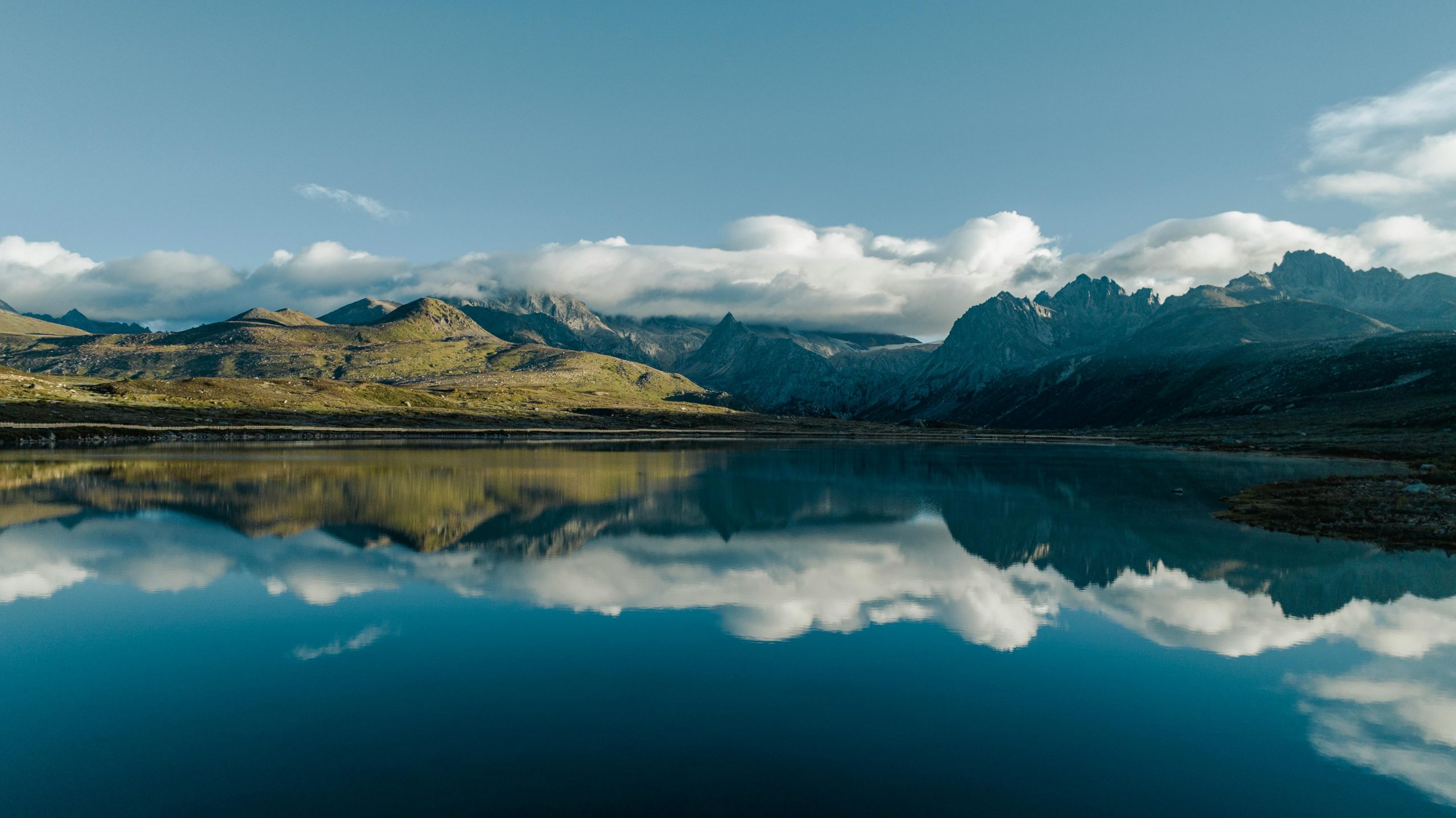
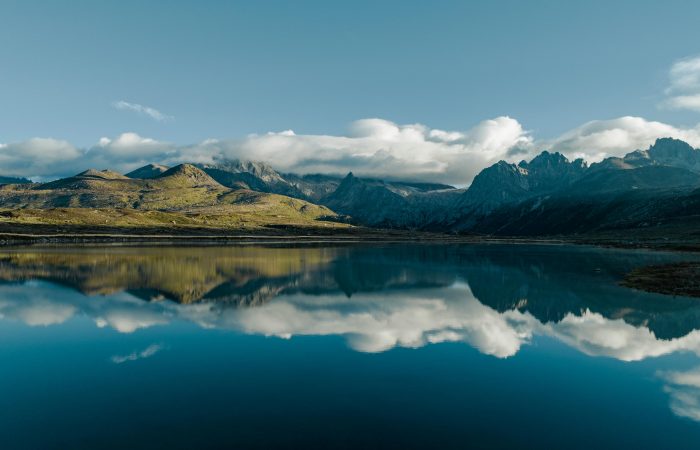
The drive continues to Yulong Latso Lake (*Yulongla Cuo*) — a glacial highland lake where turquoise water, prayer flags, and absolute silence combine into one of the route’s most contemplative moments. The group stops for 40 minutes of lakeside walking and photography.
Arriving in Dege in the late afternoon, you visit the Dege Printing House (*Dege Yinjing Yuan*) — the most important surviving centre of traditional Tibetan woodblock printing. Inside, monks ink and press carved wooden blocks exactly as they have for 300 years; the air smells of sutra ink, and the rhythmic thud of the printing process fills every room. Over 320,000 woodblock plates are stored here — the largest collection of Tibetan scriptures in existence.
Dinner and overnight in Dege. Elevation approximately 3,270 m.
Today pairs the spiritual intensity of a major Tibetan monastery with the quiet focus of a hands-on art session. After breakfast, you drive to Kathok Monastery (*Gato Si*) — one of the six great mother monasteries of the Nyingma school of Tibetan Buddhism, founded in 1159. The monastery sits high on a hillside, its golden rooftops visible for miles; prayer flags stretch across the ravines below, and the scale of the complex is striking even from the approach road.
Inside, your guide walks through the main prayer halls, explains the murals and statuary, and introduces the monastic community that still studies and practices here. For most Western visitors, Kathok is a name they have never heard — which makes the experience all the more powerful.
The afternoon shifts to a thangka painting session (2–3 hours) with a local master. Thangka are the painted scroll-banner icons of Tibetan Buddhism — intricate, symbolic, and traditionally produced with mineral pigments on cotton or silk. You work on a simplified section under the artist’s guidance, learning the colour symbolism and brushwork that make each piece a devotional object as much as an artwork. The small piece you complete is yours to take home.
Dinner and overnight in Baiyu. Elevation approximately 3,260 m.
A day shaped by landscape rather than scheduled stops. After breakfast, you drive to Babasong Valley and Blue Pine Lake (*Lansonggou*) — a three-hour journey into some of the most pristine alpine scenery on the route. The lake sits in a forested valley, perfectly still, ringed by dark pines and snow-dusted peaks. The group spends three hours here: walking the lakeshore trail, photographing reflections, and simply absorbing the silence.
The afternoon is a long transfer to Batang (approximately 2.5 hours, with one rest stop). The terrain changes markedly — drier, warmer, more open — as you descend into the southern corridor of Western Sichuan.
Dinner and overnight in Batang. Elevation approximately 2,580 m — a noticeable relief after days above 3,200 m.
The drive north from Batang to Litang takes approximately 3.5 hours. Litang calls itself the World’s Highest Town — at 4,014 m, the sky is enormous, the light is hard and brilliant, and the air is thin enough that you feel every step.
After checking in and a rest to adjust, the afternoon is a guided deep tour of Renkang Ancient House (*Renkang Guwu*) — a multi-generational Tibetan family compound that doubles as a community museum and exhibition space. Over five hours, your guide leads you through the architecture, the family history, the religious artefacts, and the social structure that the house represents. This is not a quick visit — it is one of the most immersive cultural experiences on the route.
In the evening, the group watches a Guozhuang circle dance (*guozhuang*) performance — a traditional Tibetan communal dance that is part prayer, part celebration. The energy is infectious, and visitors are often invited to join.
Dinner and overnight in Litang.
The drive from Litang to Xinduqiao takes approximately 2.5 hours — a descent from Litang’s extreme altitude into a wide valley of golden-green grassland, wooden Tibetan farmhouses, and poplars that catch the afternoon light.
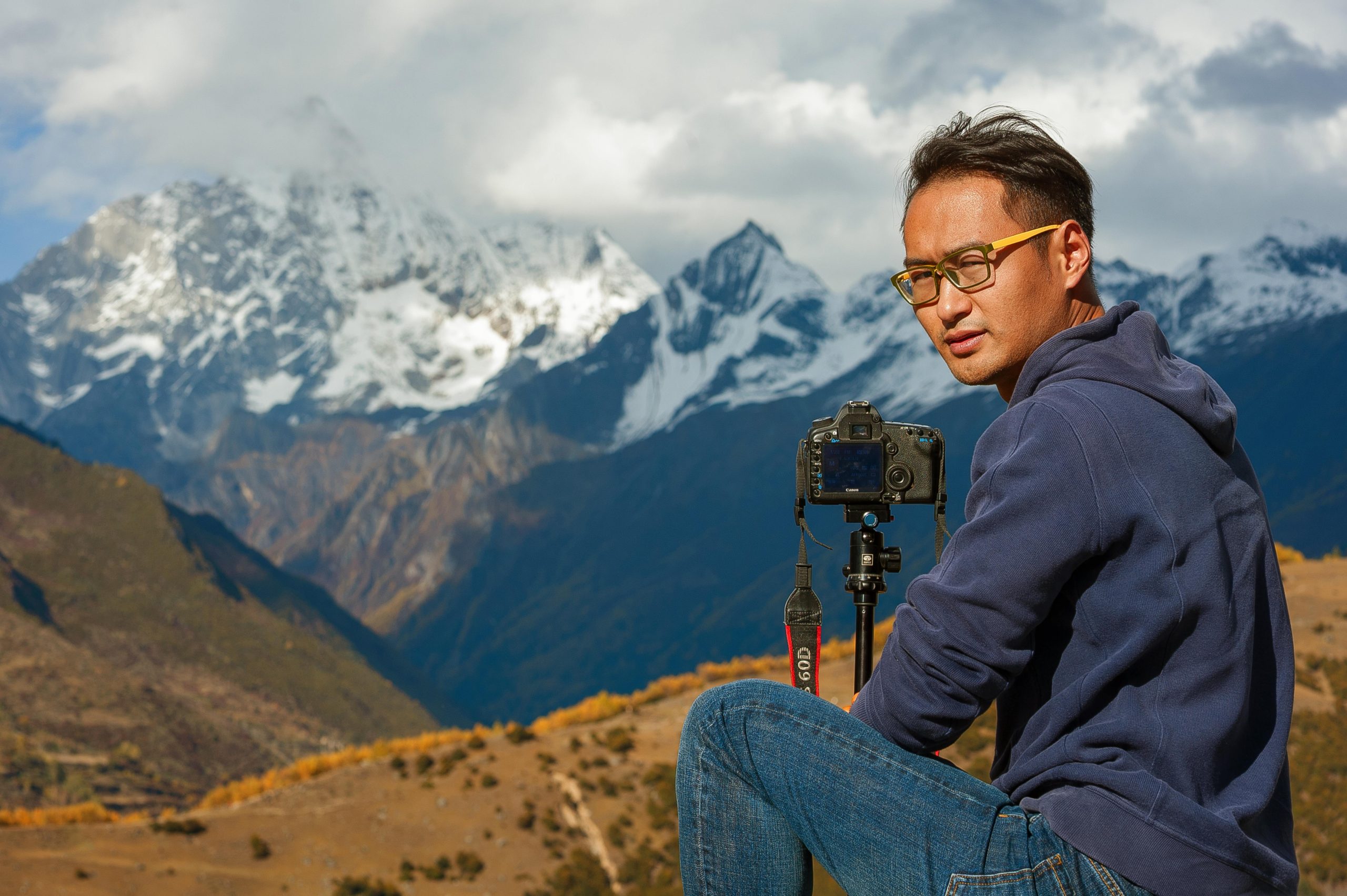
After check-in and a midday rest, the afternoon is given over to Xinduqiao’s surrounding scenic area. This is the spot that earned its reputation as the Photographer’s Paradise: the combination of high-altitude light, low-angle sun, wide grasslands, and isolated farmhouses creates compositions that change by the minute. Your guide takes the group to the local viewpoints; the pace is entirely unhurried.
Dinner at the guesthouse and an early night. Tomorrow is a long drive back to Chengdu.
After breakfast, the group departs Xinduqiao for the return drive to Chengdu via Kangding — approximately 4.5 hours with two rest stops along the way. The descent from the plateau is dramatic: snow peaks give way to green river valleys, then to the humid Sichuan Basin, and the temperature rises with every hour.
Arrival in Chengdu in the early afternoon. Hotel check-in and free time to decompress — the contrast between the high plateau you left this morning and Chengdu’s low-elevation warmth is striking.
The afternoon is yours. An optional spa massage (60–90 minutes) is included in the optional Wellness Package — select when booking. Otherwise, explore Chengdu’s shops, cafes, or simply rest.
A final breakfast and time to prepare for departure. Your driver meets you at the hotel and takes you to Chengdu Shuangliu or Tianfu International Airport — arriving three hours before your flight with assistance through the check-in process.
The 14-day loop is complete: from Chengdu’s lowland ease to the silence of the Tibetan Plateau and back.