Login

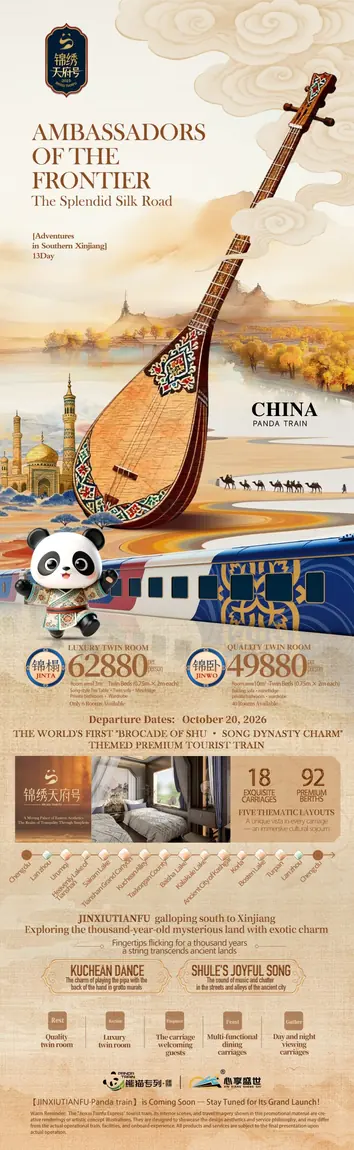
Thirteen days across China’s Silk Road heartland aboard the Jinxiutianfu Panda Train.
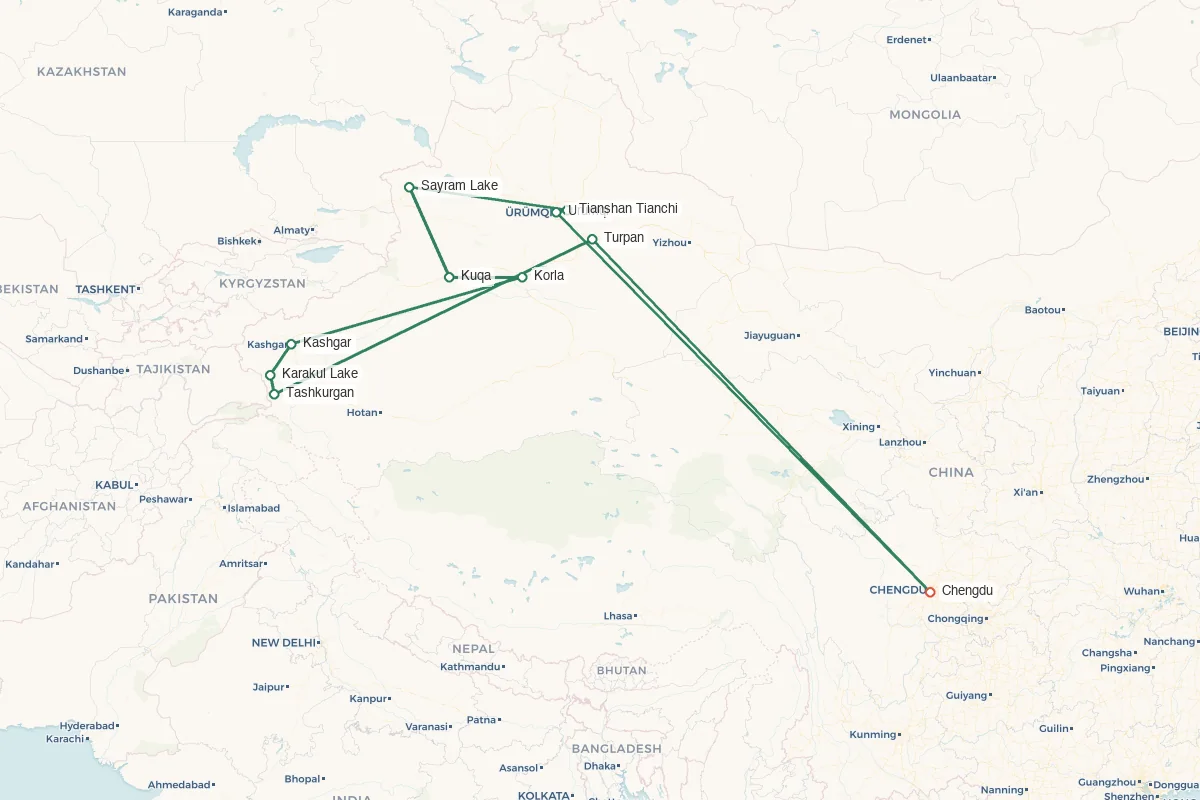
A chartered luxury sleeper that doubles as your hotel between stops. The route threads from Chengdu through Urumqi, over the Pamir Plateau to Kashgar’s 2,000-year-old Old Town, and back through Turpan’s Flame Mountain and ancient irrigation tunnels. Between train nights, the days on the ground bring Tianshan Tianchi’s alpine lake, Sayram Lake on the ridge above Yining, the red-rock Tianshan Grand Canyon near Kuqa, a Tajik home visit in Taxkorgan, a whole-lamb feast in Kashgar, and China’s largest inland lake at Bosten. Seven nights are spent on the train with onboard dining and entertainment; five nights are at destination hotels rated 4- to 5-star.
<p>Your Silk Road journey begins at the platform. Board the Jinxiutianfu Panda Train in Chengdu (or Lanzhou) at the designated time and settle into your private sleeper berth.</p>
<p>As the train pulls away, the onboard crew welcomes you with a welcome ceremony, followed by a live band performance and a Xinjiang-style song and dance show in the entertainment car — a first taste of the music and movement that define the next thirteen days.</p>
<p>Lunch and dinner are served in the train’s dining car. The evening is yours to explore the train’s onboard facilities: reading corner, lounge area, and the company of fellow travellers headed west.</p>
<p>A full day on the rails. The train crosses the vast Gobi Desert and the mountain passes of northwest China — a changing landscape that moves from green lowlands to ochre plateau and back again.</p>
<p>Onboard, the Panda Butler team runs activities in the lounge car: a reading corner, a cocktail party, and a scenic photo check-in as the desert scrolls past the window. All meals are served on the train.</p>
<p>The train arrives in Urumqi in the evening. After disembarking, a private transfer takes you to a 5-star city hotel for the night — your first chance to stretch out on solid ground since departure.</p>
<p>Note: Guests joining at Urumqi are met at the airport with a sign reading “Jinxiutianfu Train VIP” and transferred directly to the hotel.</p>
<p>After breakfast at the hotel, the morning opens with the Xinjiang Welcome Banquet — a festive meal accompanied by traditional Xinjiang songs and dances that officially marks the start of your time on the ground in Xinjiang.</p>
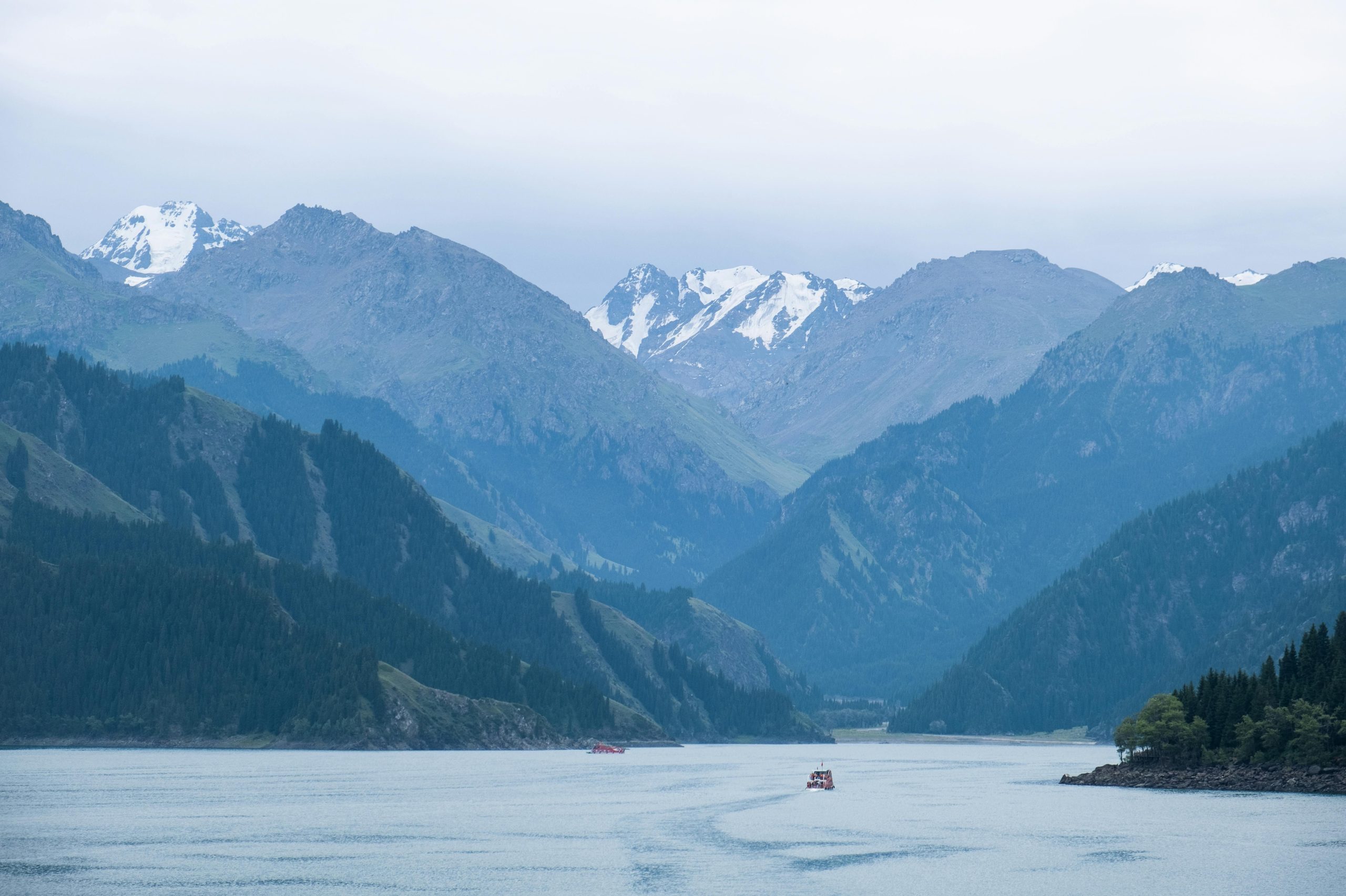
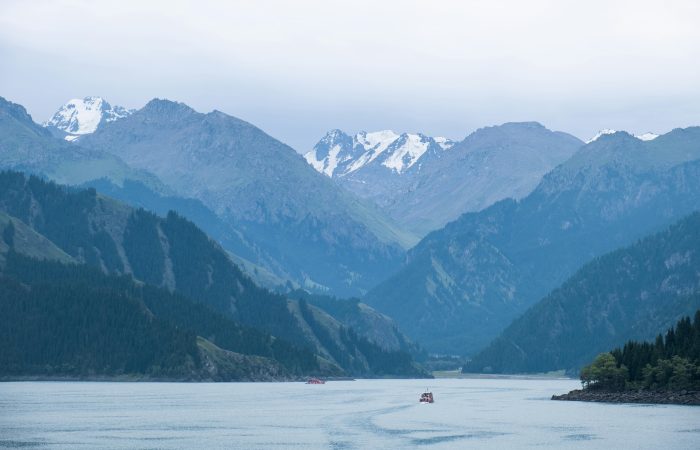
<p>In the afternoon, drive 1.5 hours into the Tianshan Mountains to Tianshan Tianchi (*Tianchi*), the Heavenly Lake — a glacial alpine lake at 1,928 metres, fed by snowmelt from the Bogda Peak towering above. The still turquoise water ringed by dark spruce forest has drawn travellers along the Silk Road for centuries. About three hours here to walk the shoreline, take in the mountain reflections, and absorb the scale.</p>
<p>After dinner, return to the station and reboard the Jinxiutianfu train for an overnight journey west to Yining.</p>
<p>The train arrives in Yining in the morning, where the local team meets you at the station.</p>
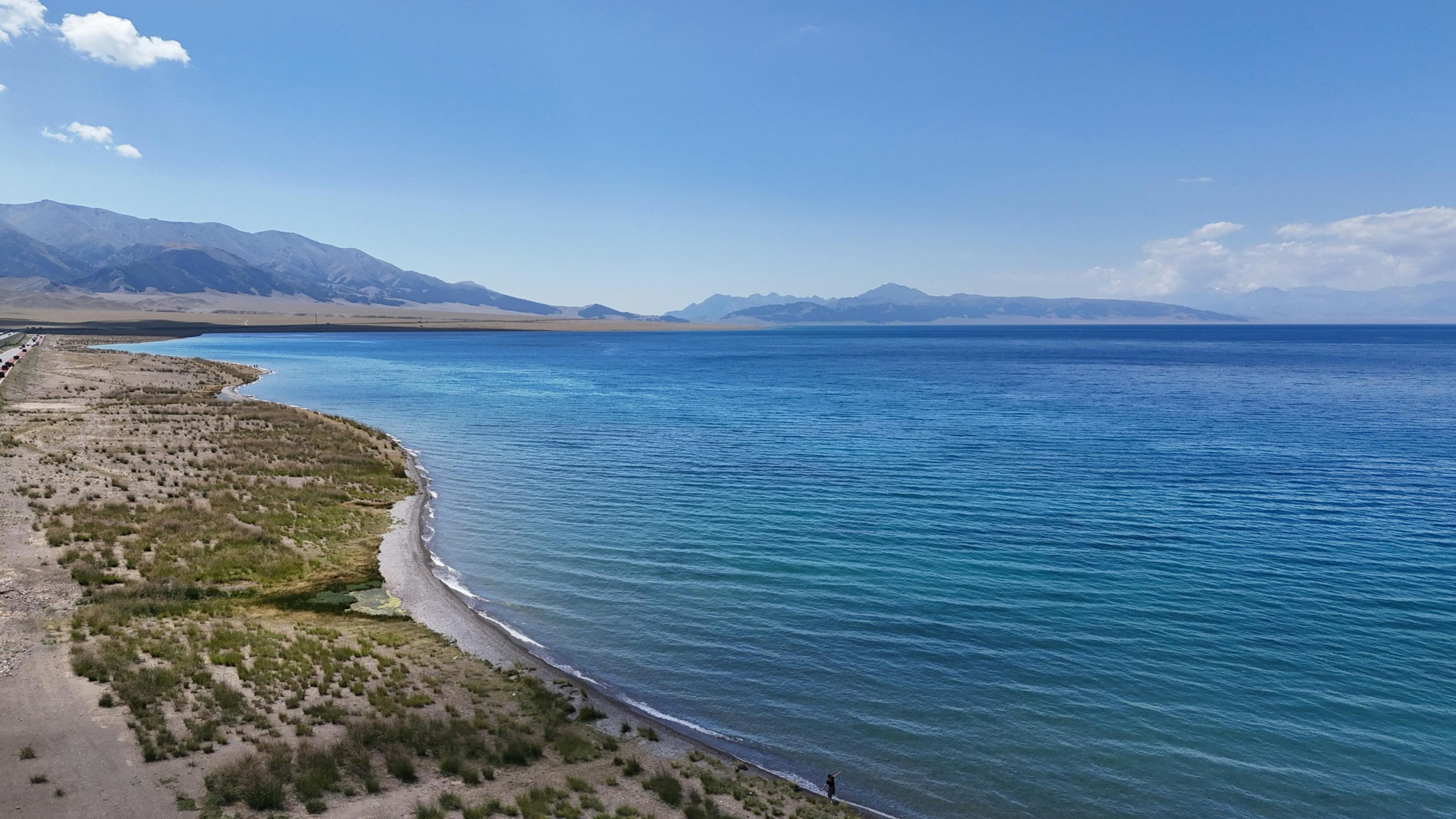
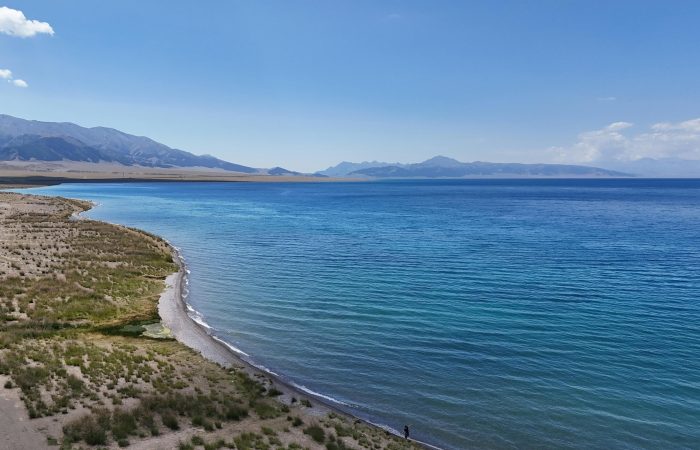
<p>Drive 1.5 hours northwest to Sayram Lake (*Sailimu Hu*) — the highest and largest alpine lake in the Tianshan range, sitting at 2,073 metres on a mountain ridge. Nicknamed “the last tear of the Atlantic” because it marks the final reach of Atlantic moisture currents across the Eurasian continent. The water shifts between sapphire and jade depending on the light, and the surrounding grasslands roll up to snowline in every direction. About four hours here to walk the lakeshore, photograph the yurt camps, and feel the wind that has crossed a continent to reach this spot.</p>
<p>After a featured lunch and dinner at local restaurants, return to the station and reboard the train for the overnight journey south to Kuqa.</p>
<p>The train arrives in Kuqa (*Kuche*) in the afternoon — one of the great oasis kingdoms of the ancient Silk Road, where Buddhist monks once translated scriptures and Kucha musicians developed a musical tradition that influenced the entire Tang Dynasty court.</p>
<p>After checking into the hotel and resting, head out to Jiestan Street (*Jiesitang Jie*) — Kuqa’s historic cultural quarter. Stroll through the colourful archways of the old street, past the intricate tile-and-timber facades, and into the daily life of the Uyghur neighbourhood: bread baking in tandoor ovens, copper-smiths hammering trays, tea houses filling with conversation as the afternoon light fades.</p>
<p>The evening brings the day’s centrepiece: Apricot Blossom · Silk Road Kucha, a full-scale live show that uses apricot blossoms as a visual motif and the Silk Road as its narrative thread. Classic Kucha dance forms — including the spinning Hu Xuan dance (*Huxuan Wu*) — are performed alongside projections recreating the flying celestial musicians painted on the walls of the nearby Kizil Grottoes. The production runs about one hour.</p>
<p>After dinner at a featured local restaurant, return to the hotel for the night.</p>
<p>A slower morning — no alarm clock needed. Time to explore Kuqa’s old town at your own pace: the bazaar lanes, the pottery stalls, the morning bread scene. Then head to a restaurant for lunch.</p>
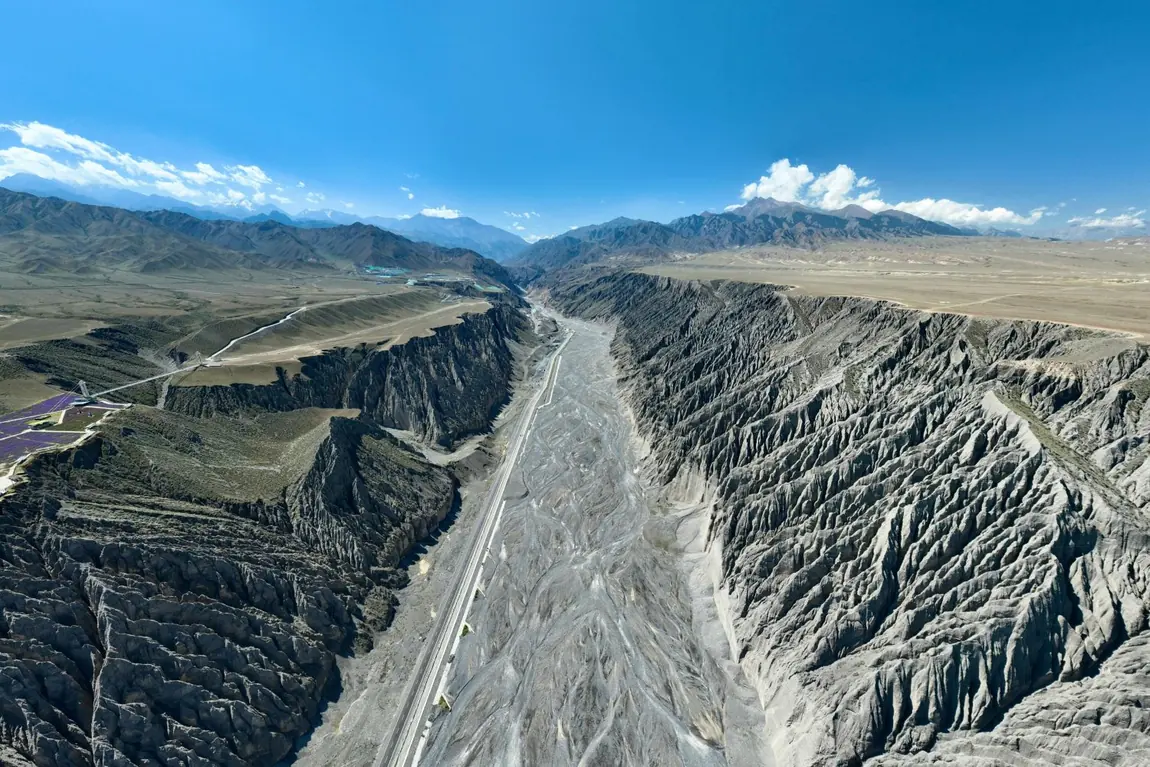
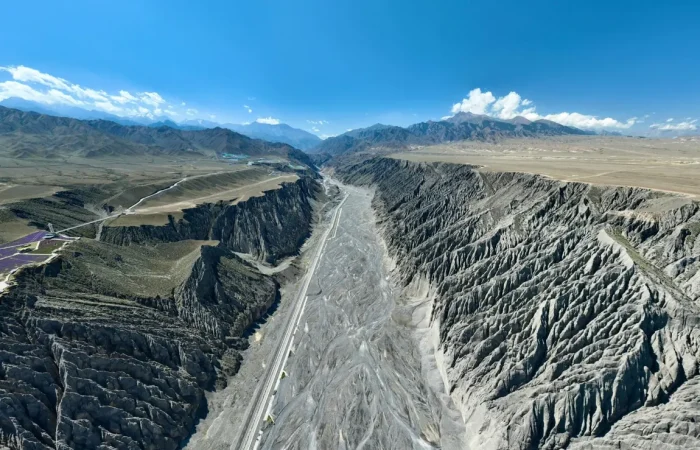
<p>In the afternoon, drive 1 hour 20 minutes into the southern foothills of the Tianshan range to the Tianshan Grand Canyon (*Tianshan Shenmi Daxiagu*) — rated among the ten most beautiful canyons in China. The Uyghur name means “red cliffs,” and the reality delivers: towering walls of red sandstone carved into narrow, winding corridors by millions of years of wind and water. About one hour to walk through the main canyon, where the rock faces twist above you and the light shifts from amber to crimson depending on the time of day.</p>
<p>After dinner, return to the station and board the Panda Train for the overnight journey south to Kashgar.</p>
<p>The train arrives in Kashgar in the morning. From here, the route turns west along the China-Pakistan Friendship Highway — the Karakoram Highway — climbing steadily toward the roof of the world.</p>
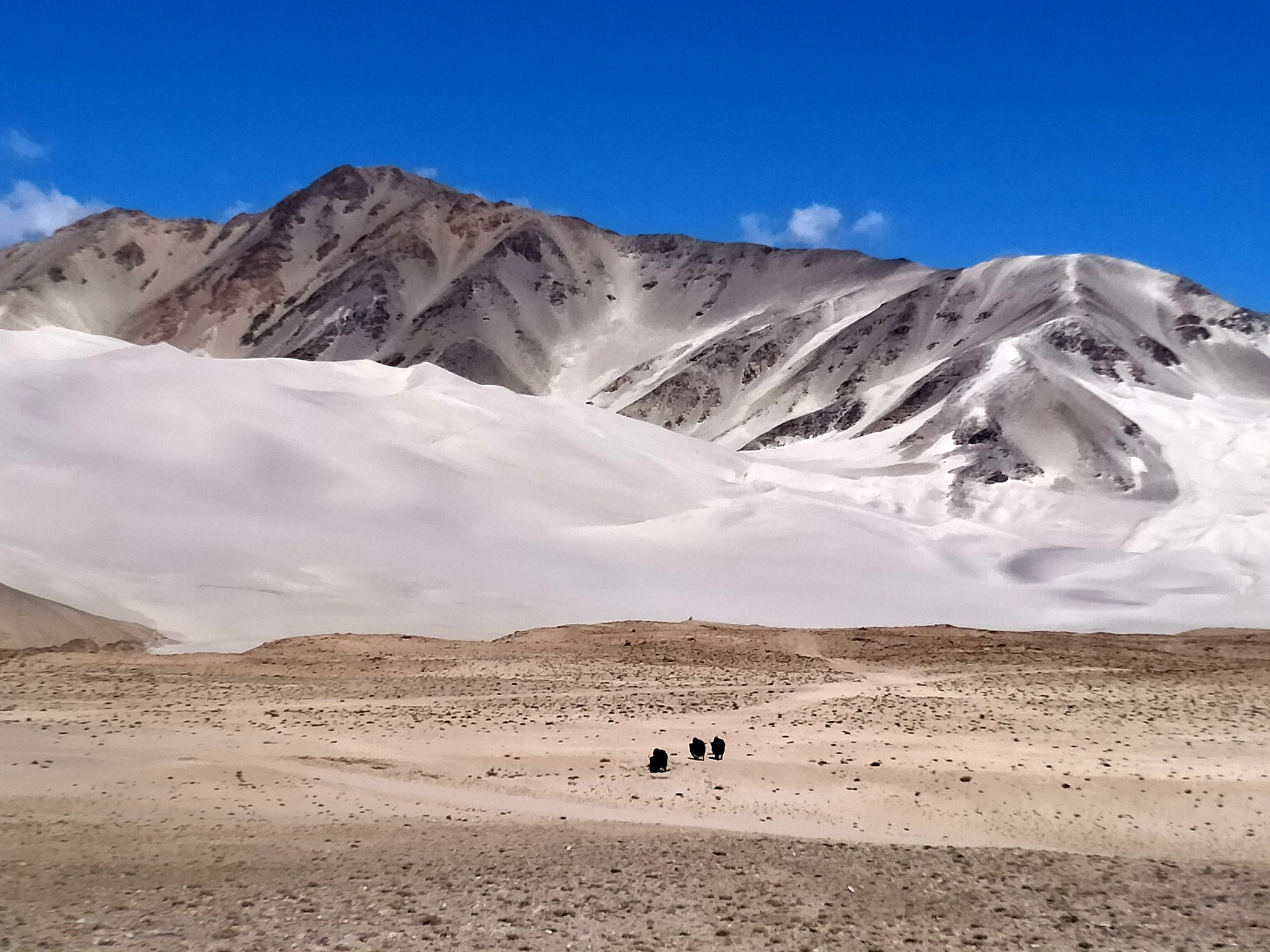
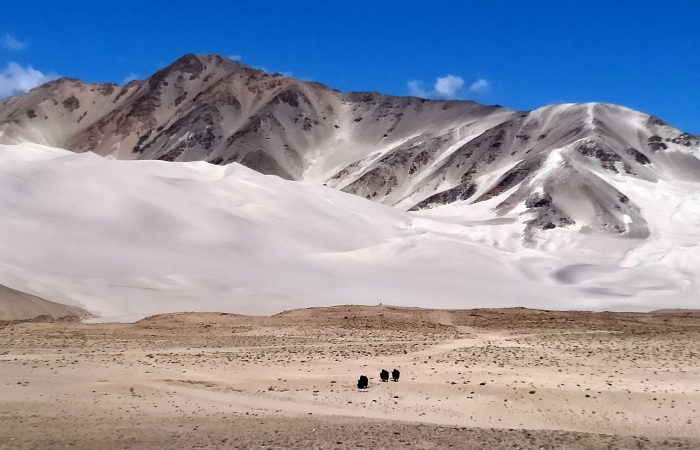
<p>After about three hours, the road reaches the Pamir Plateau, and the first stop is White Sand Lake (*Baisha Hu*). Silver-white sand dunes roll down to meet a crystal-blue lake — a surreal contrast between desert and water that has coexisted for thousands of years. About 40 minutes here to photograph and absorb the stillness.</p>
<p>Continue to the legendary border town of Taxkorgan (*Tashkurgan*) — perched at 3,100 metres on the Pamir Plateau, where China borders Pakistan, Afghanistan, and Tajikistan. This remote outpost was once a key Silk Road waystation and the filming location of the classic Chinese film The Guests on the Iceberg.</p>
<p>In the late afternoon, a Tajik home visit brings you into a local family’s home. Share snacks prepared by the host family, join in traditional songs and dances, and learn about the customs and daily life of the Tajik people — one of China’s smallest ethnic groups, living at one of its highest altitudes.</p>
<p>Dinner is yak-meat hot pot (*niurou huoguo*) — hearty, warming, and exactly right at 3,100 metres. Stay the night at a highland hotel in Taxkorgan.</p>
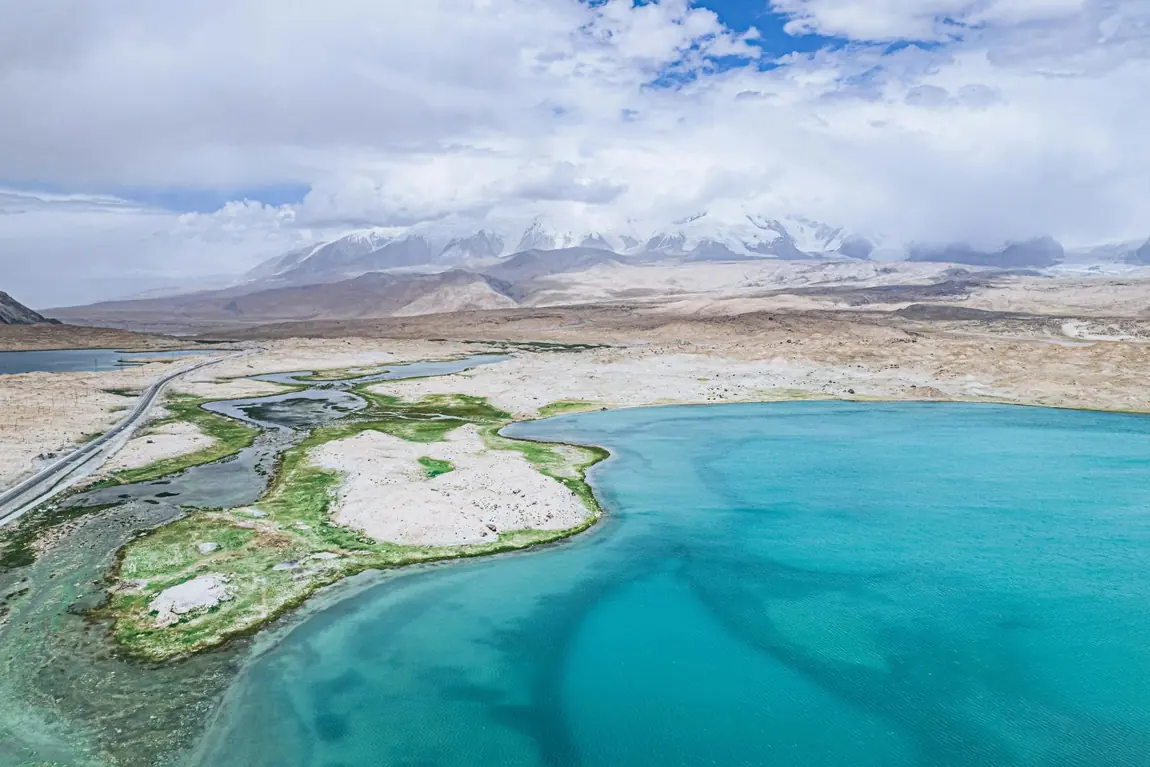
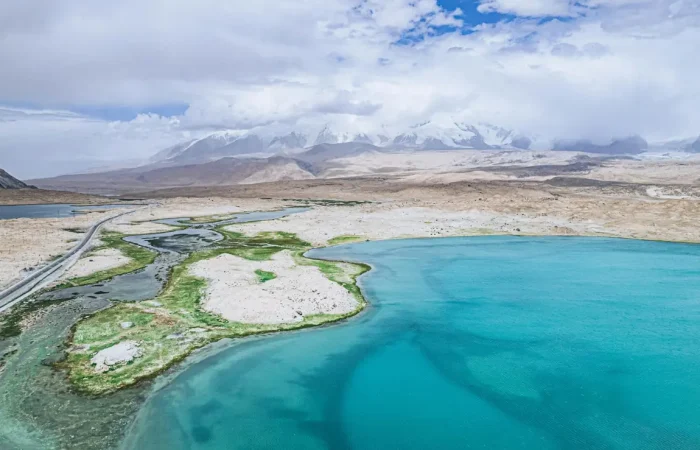
<p>After breakfast at the highland hotel, drive two hours to Karakul Lake (*Kalakuli Hu*) — the “colour-changing lake” of the Pamir Plateau, sitting at 3,600 metres beneath the massive bulk of Mount Muztagh Ata (7,509 m). The lake shifts between turquoise, emerald, and deep blue depending on the light, and on a clear day the entire mountain is reflected in the surface. About one hour at the lakeshore.</p>
<p>On the drive back toward Kashgar, stop for an heritage handicraft workshop. Work with a local artisan to learn a traditional craft technique that has been passed down through generations of Pamir plateau communities — a hands-on connection to the living craft culture of the Silk Road’s mountain peoples.</p>
<p>Arrive in Kashgar by evening. Tonight’s dinner is the route’s grand culinary centrepiece: a whole-lamb feast (*kao quan yang*) — the signature celebration meal of Xinjiang hospitality, with the entire lamb roasted and carved at the table. Check in to a 5-star city hotel for the night.</p>
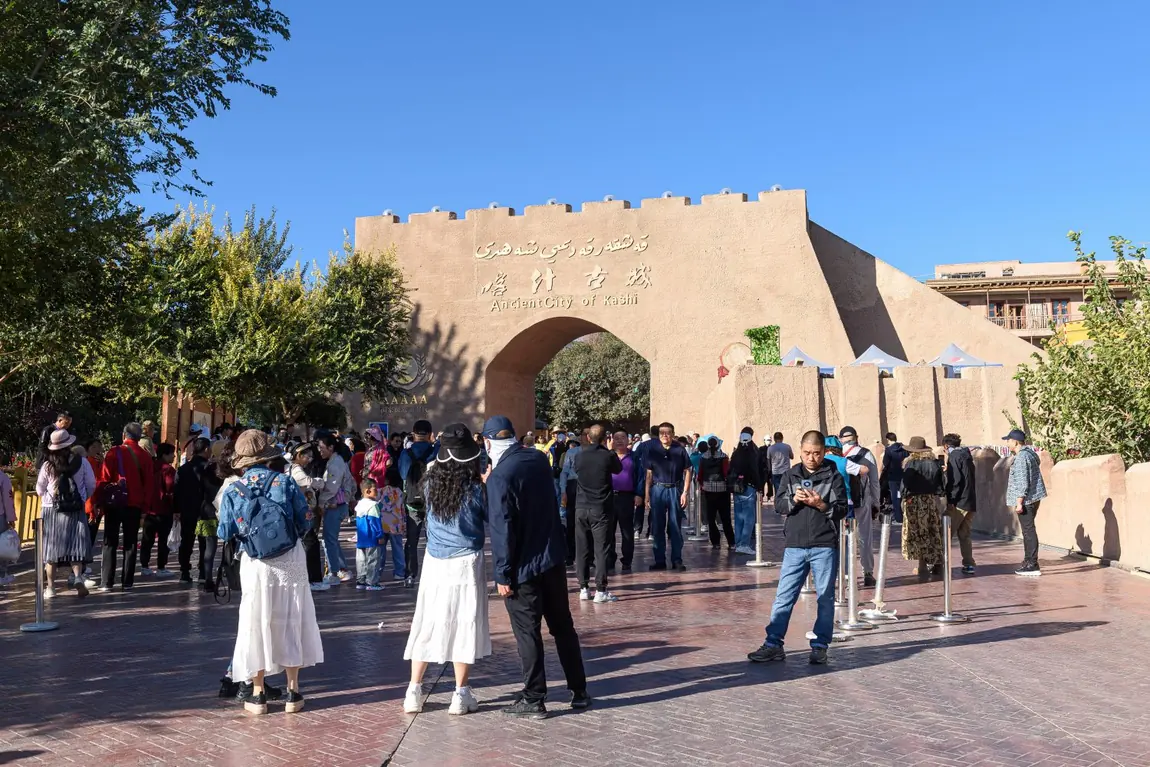
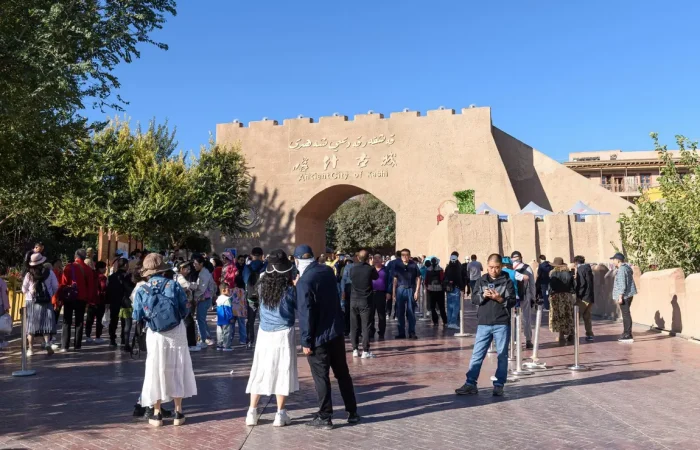
<p>After breakfast at the hotel, step into Kashgar Old Town (*Kashgar Gucheng*) — one of the most intact ancient cities in Central Asia, with over 2,000 years of continuous habitation. About 1.5 hours to explore the labyrinth of narrow lanes, mud-brick homes, copperware workshops, and bakeries where nan bread crisps in clay ovens. This is not a museum reconstruction — people live, work, and trade here exactly as they have for centuries.</p>
<p>Next, visit the Gaotai Houses (*Gaotai Minju*) — the elevated residential quarter that served as a filming location for the Oscar-winning film The Kite Runner. Known as the “living fossil of Kashgar,” this hillside neighbourhood preserves one of the most original forms of the old city, with houses stacked on ancient foundations and staircases carved into the cliff face. About 40 minutes here.</p>
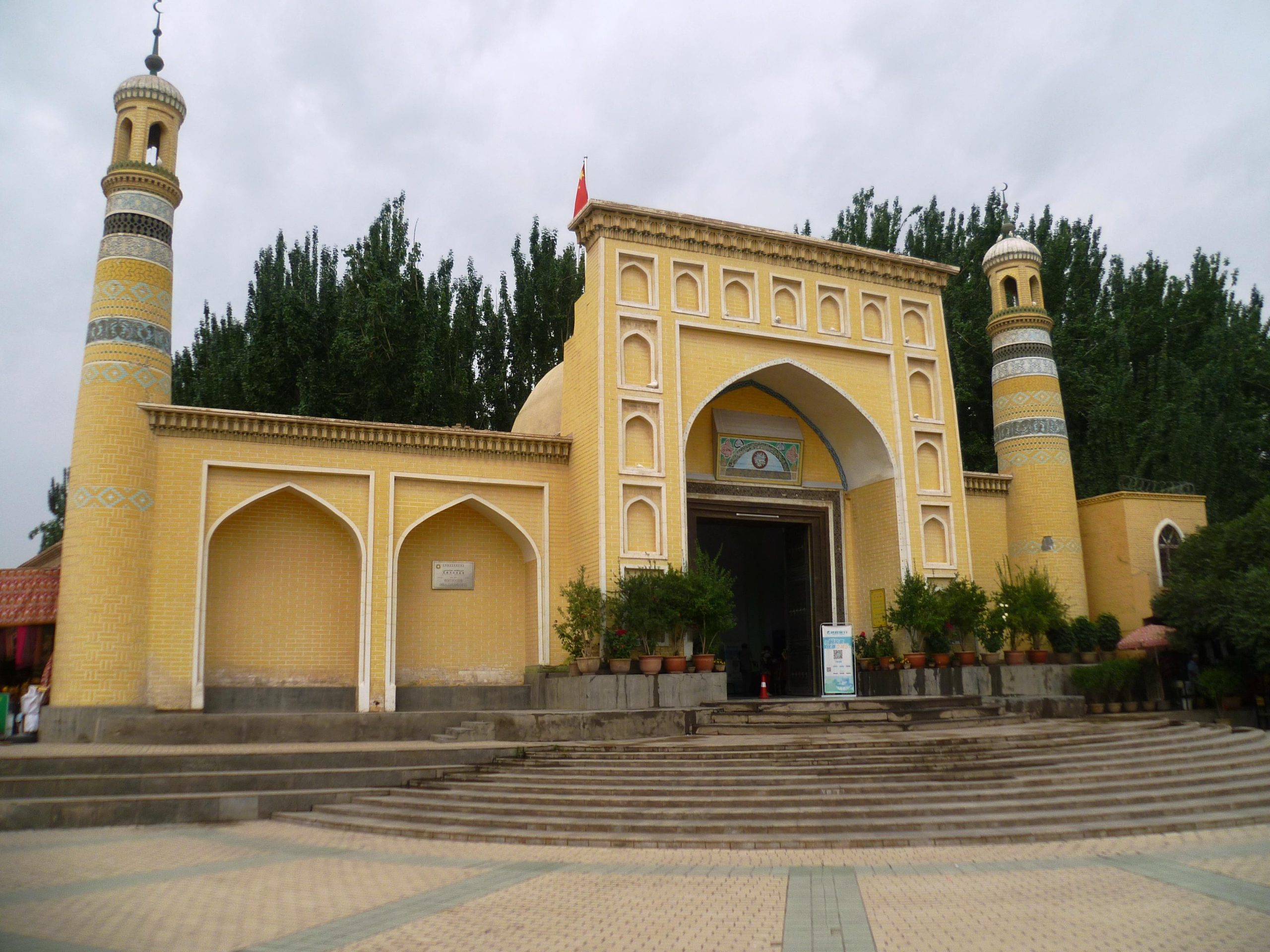
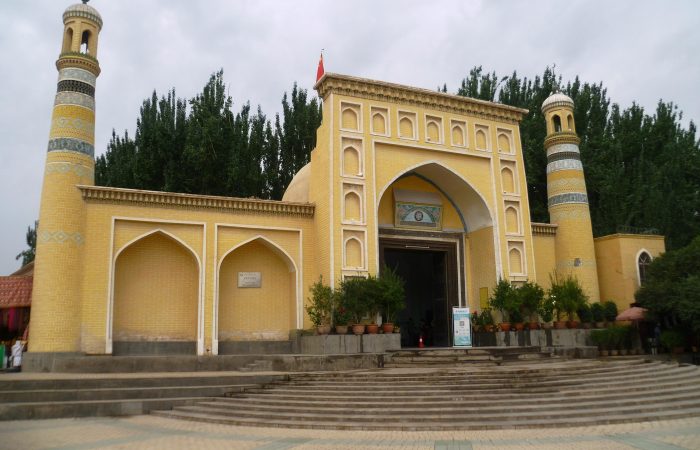
<p>Continue to Id Kah Mosque (*Aitiga’er Qingzhen Si*) — the largest mosque in China, and the spiritual and architectural centre of Kashgar. The mosque blends Islamic design tradition with Chinese building techniques, and during Friday prayers it draws thousands of worshippers from across the region. About 40 minutes for a guided visit that covers the mosque’s history, its architectural significance, and the religious culture it represents.</p>
<p>After a featured lunch and dinner at local restaurants, board the Panda Train in the evening for the overnight journey east to Korla.</p>
<p>The train arrives in Korla around mid-morning, where the local team meets you at the station.</p>
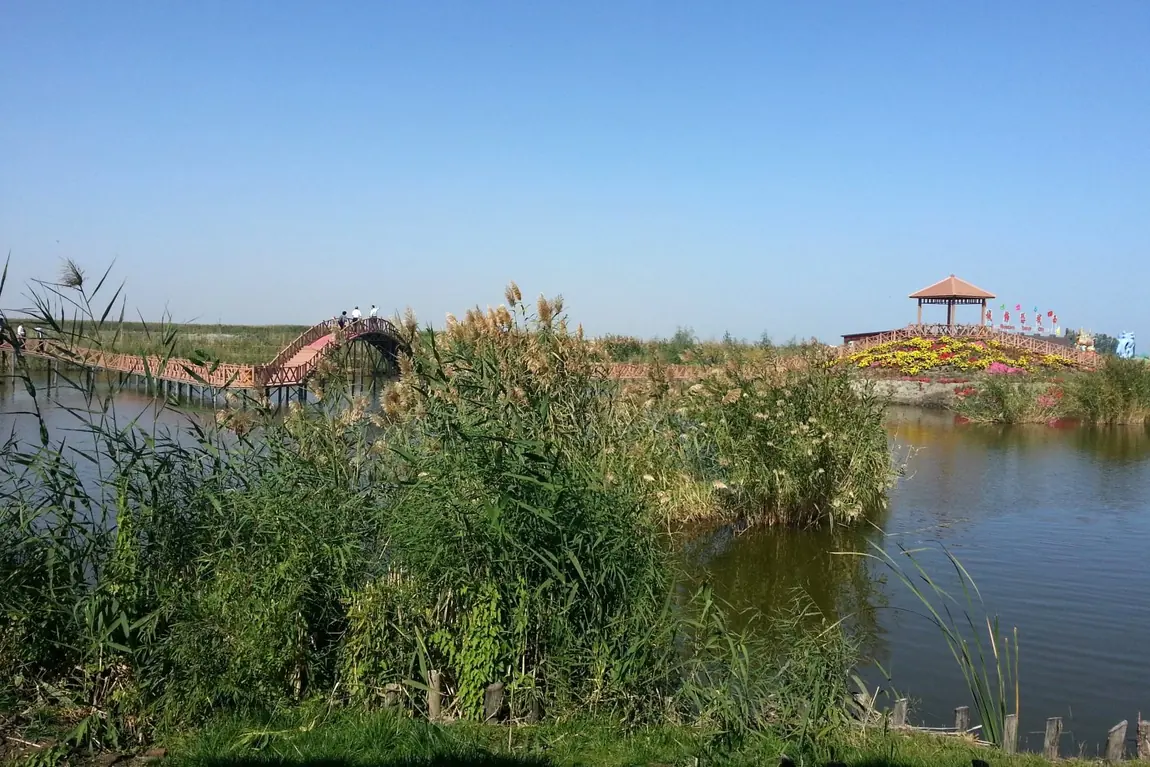
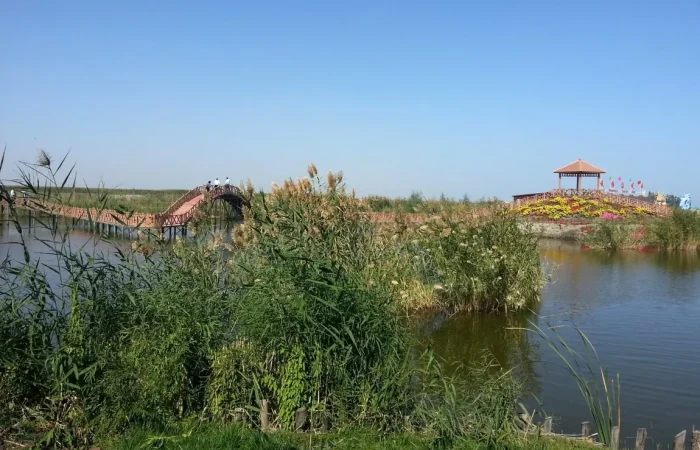
<p>After a featured lunch, drive 30 minutes to Bosten Lake (*Bosiiteng Hu*) — China’s largest inland freshwater lake, spread across the Bayin’gholin Mongol Autonomous Prefecture. The lake combines open water, reed marshlands, wetlands, and the edge of the Taklamakan Desert in a single panorama. About two hours here to walk the shore, watch the birdlife in the reeds, and take in a landscape that feels more like a inland sea than a lake.</p>
<p>After the visit, return to the station and board the Panda Train for the short hop east to Turpan — the ancient Silk Road hub in the hottest basin in China. Check in to a hotel for the night.</p>
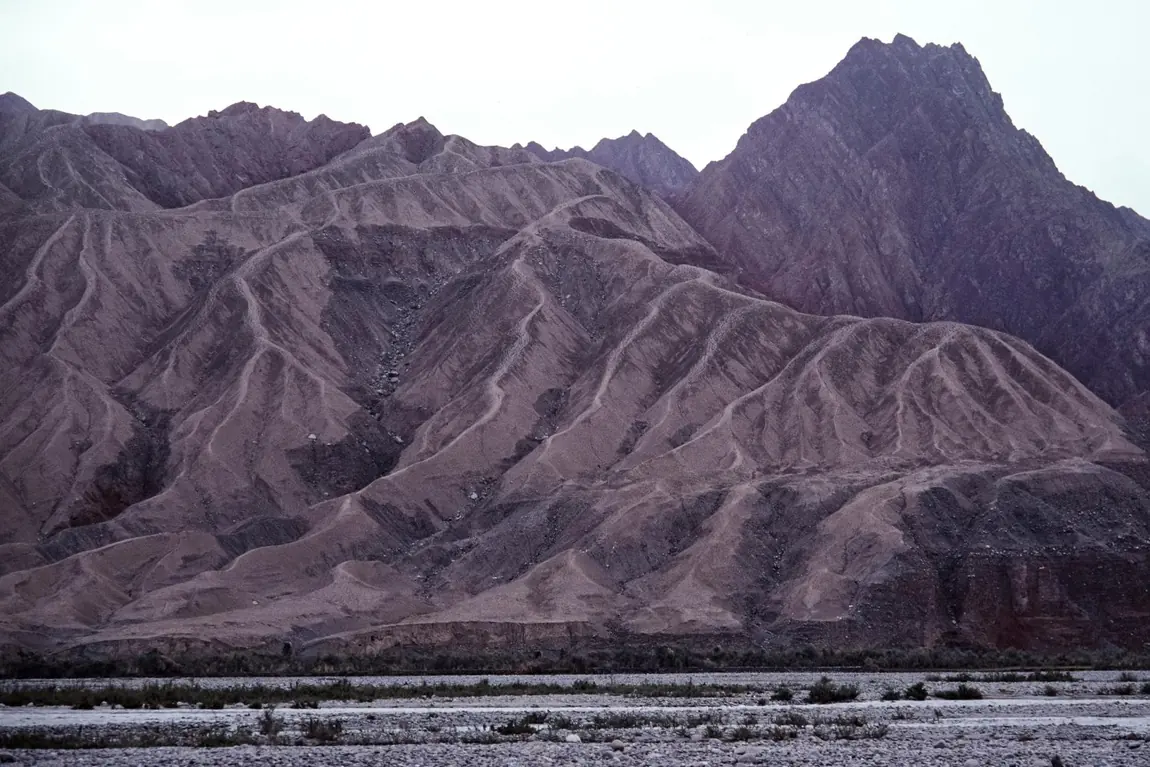
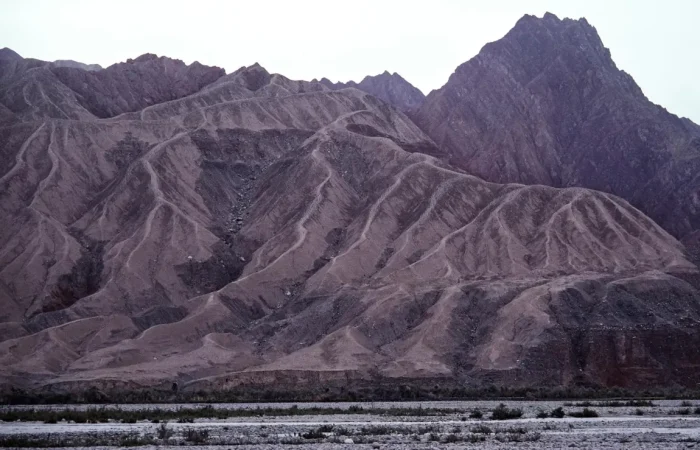
<p>After breakfast at the hotel, head to Flame Mountain (*Huoyan Shan*) — the barren red ridge made famous in the Chinese classic Journey to the West. The surface temperature in summer can exceed 70°C. Visit China’s largest ground thermometer and walk along the base of the ridge to feel the radiating heat and see the striations in the rock. About one hour here.</p>
<p>Lunch is a Turpan fruit feast — the region is one of China’s premier grape and melon growing areas, and the midday spread features the local specialties: Hami melon, seedless grapes, dried fruits, and fruit-based dishes unique to the Turpan basin.</p>
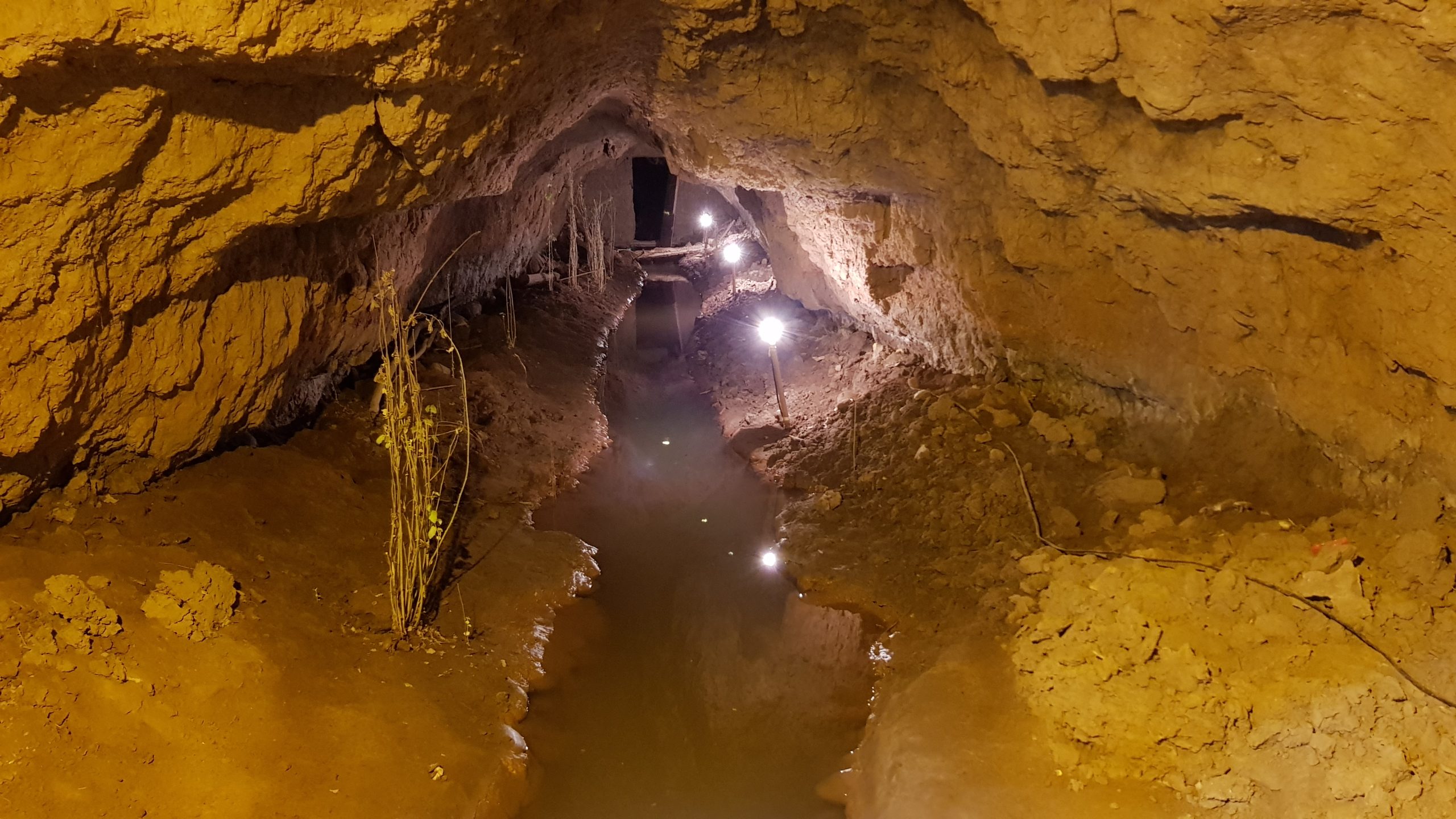
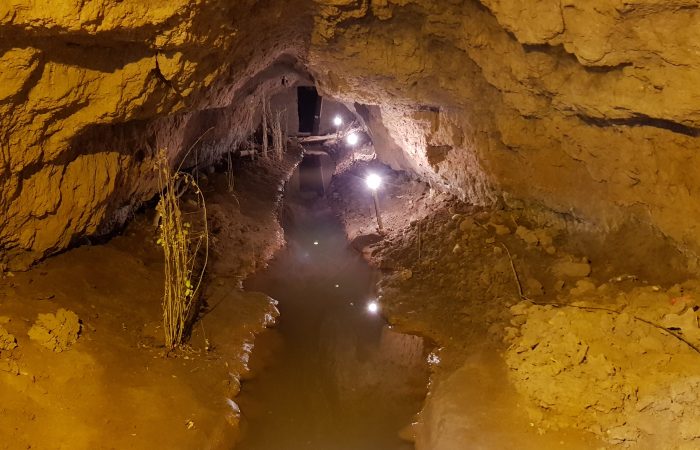
<p>In the afternoon, visit Karez Well (*Kaner Jing*) — the 2,000-year-old underground irrigation system that channels snowmelt from the Tianshan Mountains through hand-dug tunnels to the oasis towns of the basin. The Karez system is ranked alongside the Great Wall and the Grand Canal as one of China’s three great ancient engineering works. Walk through the underground tunnels and see how gravity, slope, and human ingenuity turned a desert into farmland. About 30 minutes here.</p>
<p>At the designated time, transfer to the station and board the Panda Train for the long overnight journey home.</p>
<p>A full day on the rails as the train retraces its path eastward across the Gobi Desert and mountain passes. The same vast landscape that opened the journey now plays in reverse — a chance to catch details you missed on the way out.</p>
<p>All meals are served on the train. The Panda Butler team runs final onboard activities and events. A good day to sort through photos, trade stories with fellow travellers, and let the scale of the journey settle in.</p>
<p>The Jinxiutianfu Panda Train arrives in Chengdu, bringing a 13-day Silk Road journey to a close. Breakfast is served on the train before arrival.</p>
<p>Disembark, collect your luggage, and make your onward travel arrangements. If time allows, Chengdu’s own attractions — giant pandas, Sichuan hotpot, and the Jinli old street — are worth staying an extra night for.</p>