Login
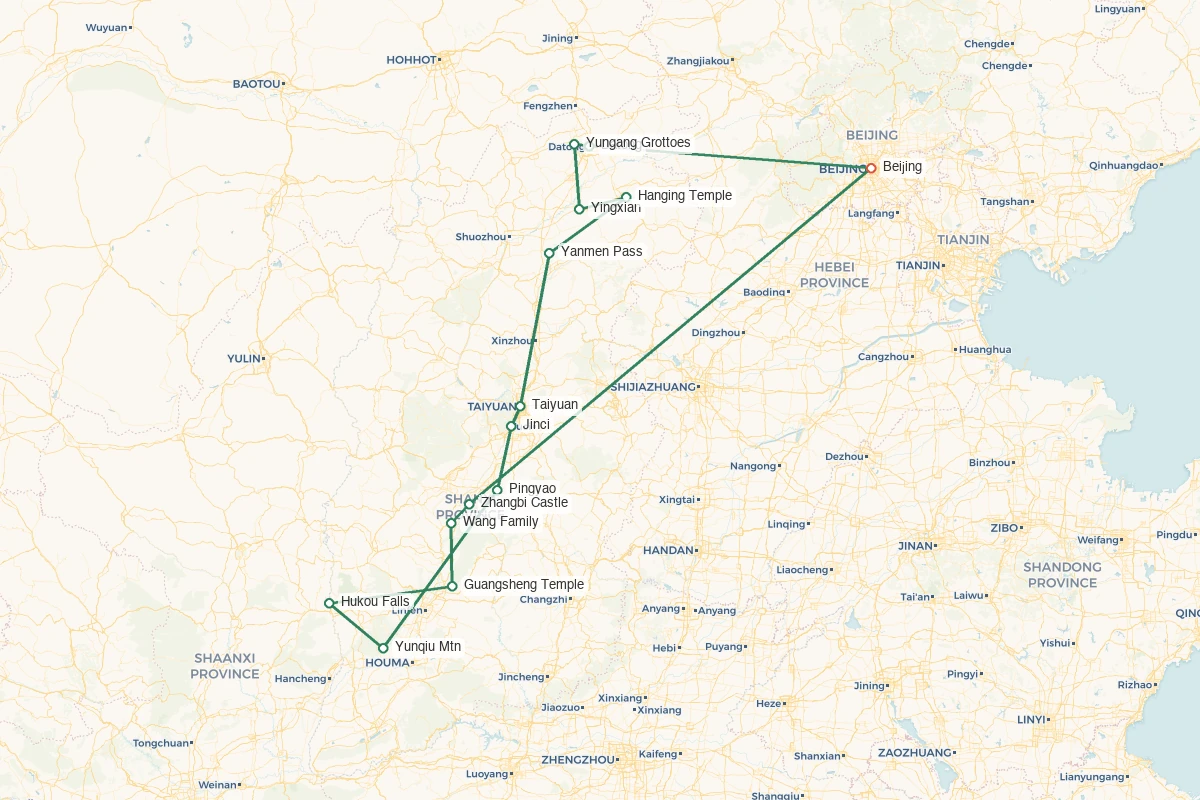
Ten days across the full Shanxi arc — cave Buddhas, walled merchant cities, and the Yellow River.
The route covers Yungang Grottoes, the world’s oldest timber pagoda, a cliff-face monastery, Shanxi Museum’s bronze treasures, Pingyao Ancient City’s intact merchant streets, a Daoist mountain with cave-courtyard lodging, Hukou Waterfall, and the grand estates that made Shanxi merchants China’s wealthiest private bankers. Bracket-joint carpentry, immersive theatre, Shanxi noodle-performance dining, costume photography, TCM therapy, and hot spring castle soaks weave through the landmarks.
Arrive in Beijing and transfer to your hotel. Your guide meets you at arrivals — from here, everything is handled.
The rest of the day is yours to recover from the flight and settle in at your own pace. No sightseeing is scheduled. Tomorrow morning begins with the high-speed rail into Shanxi.
Board the high-speed rail from Beijing to Datong — one of China’s nine ancient capitals and the imperial seat of the Northern Wei dynasty. The train itself is part of the experience: smooth, fast, and a sharp contrast to the deep historical landscapes waiting at the other end.
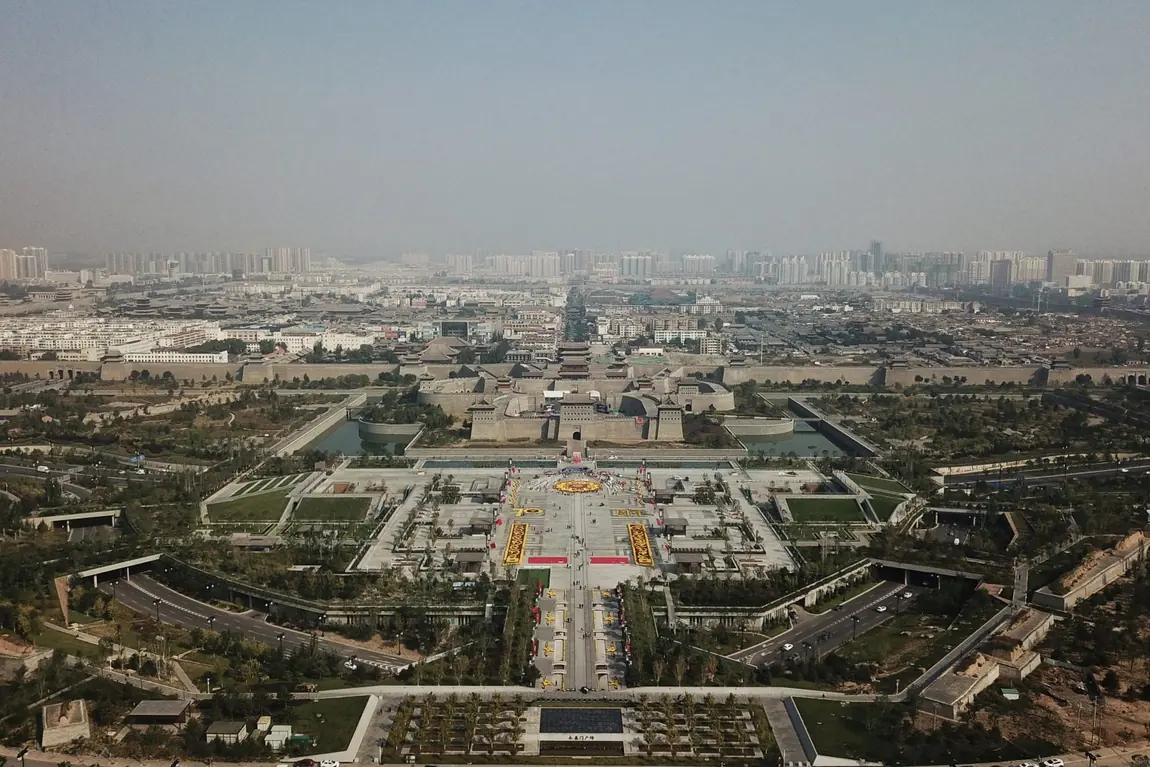
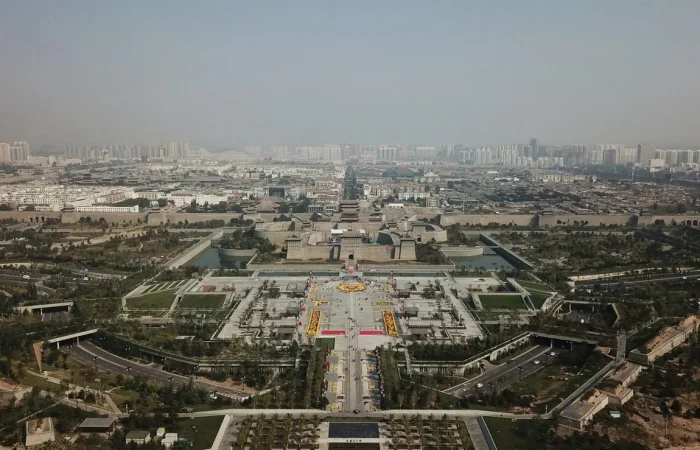
After check-in at the Datong Huangjing Century Hot Spring Hotel, the afternoon explores Datong Ancient City, where a 7.24-kilometre Ming-dynasty city wall still stands 14 metres tall. Inside, the grid of streets follows a centuries-old chessboard layout — four main avenues, eight lanes, and a mesh of narrower alleys lined with Liao, Jin, and Ming-Qing architectural survivals.
Dinner is Datong-style hotpot, a regional variation worth trying alongside its more famous Sichuan or Beijing cousins. Back at the hotel, the evening offers two ways to unwind: a TCM acupuncture and massage therapy session — a personalised treatment plan targeting pressure points to ease tension and restore circulation after the journey — or a soak in the hotel’s mineral spring pool, rich in fluoride and sulphur compounds with recognised therapeutic properties. Both are included.
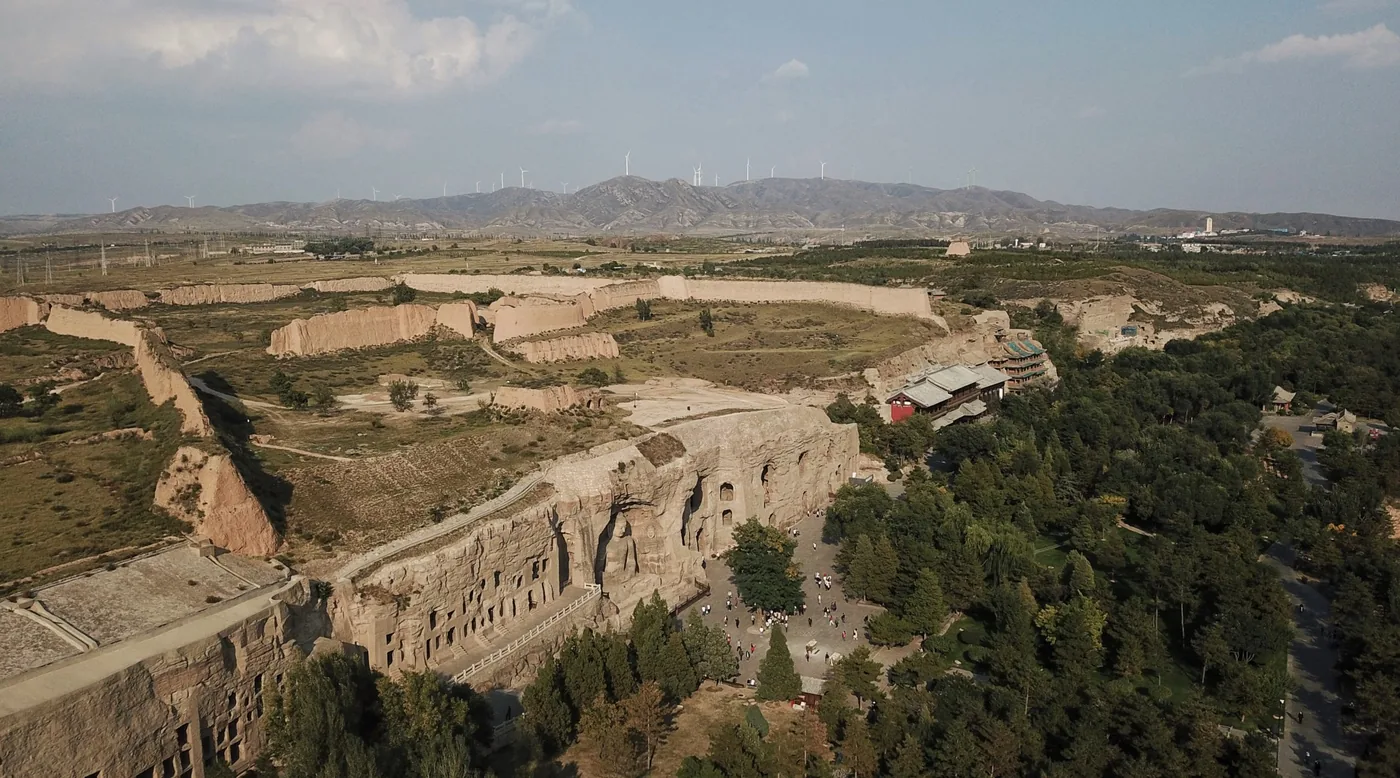
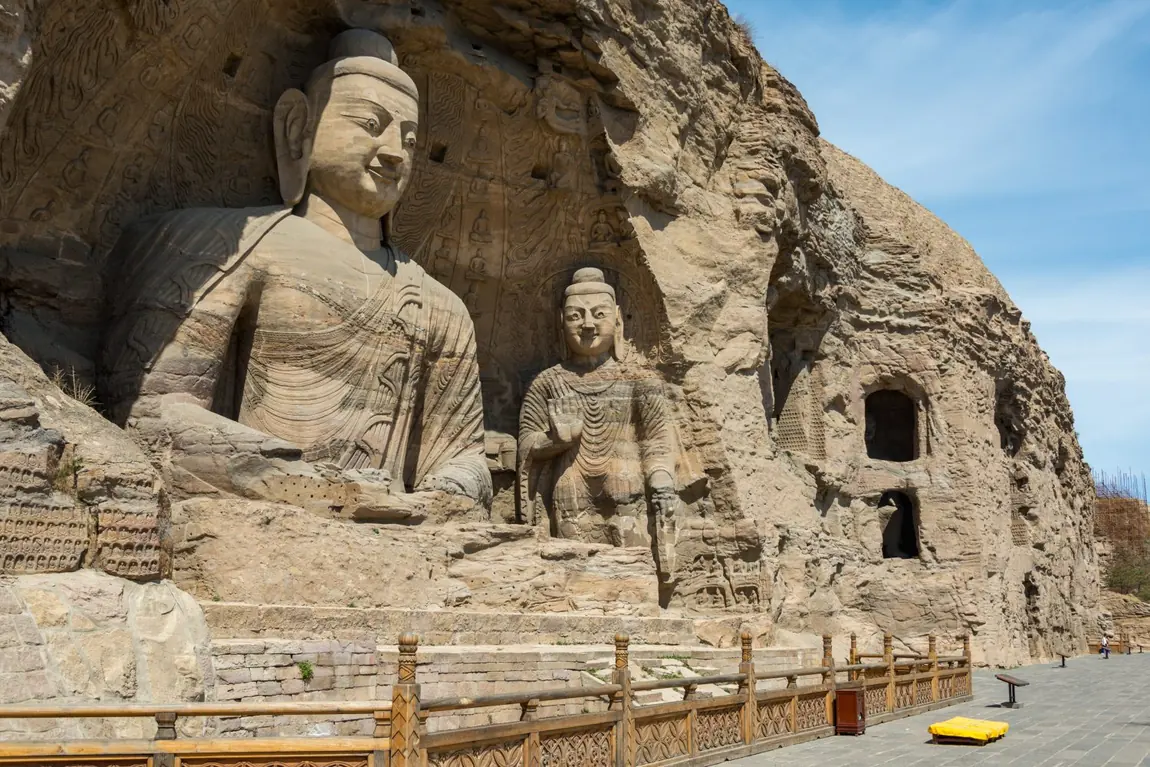
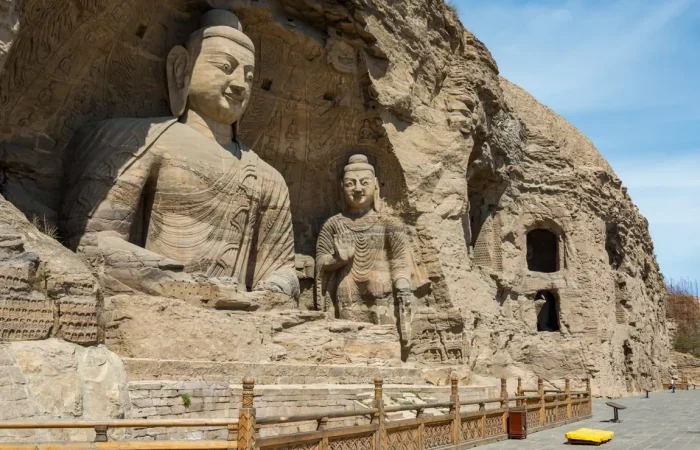
The morning belongs to the Yungang Grottoes — 45 surviving cave chambers housing 51,000 carved figures and colossal Northern Wei Buddhas cut directly into a kilometre-long cliff face in the 5th century. The guide walks the key chambers including the Tanyao Five Caves and the Five Flower Caves, with context on the Gandharan artistic influences that shaped the earliest carvings before Chinese Buddhist aesthetics fully took hold.
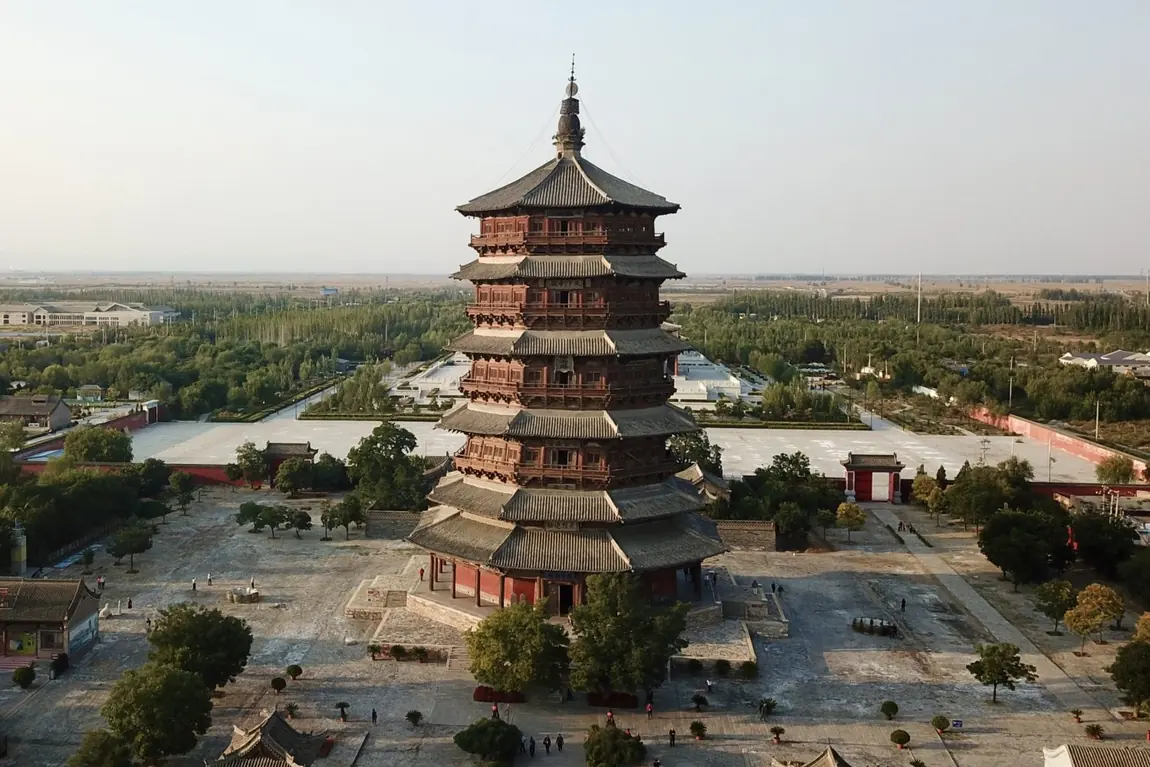
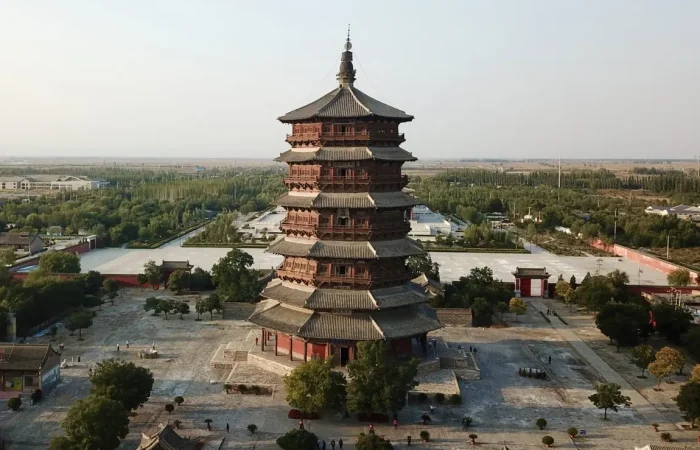
From Datong, drive to Yingxian to see the Yingxian Wooden Pagoda of Fogong Temple — 67 metres tall, built in 1056, and held together entirely by interlocking timber joints without a single iron nail. Its “five visible, nine hidden” floor structure is one of the most studied puzzles in Chinese architectural history. A hands-on Bracket-Joint Workshop (*dougong*) lets guests try assembling the same locking system the pagoda’s builders used nearly a thousand years ago.
Dinner is a Northern Wei heritage banquet (*Beiwei Jiayan*). The evening continues into Yingxian’s old town night market — local snacks including Yingxian cold noodles (*liangfen*), braised beef knuckle (*niuyao*), and the gelatinous street bite known as *diliu* are all worth trying standing up.
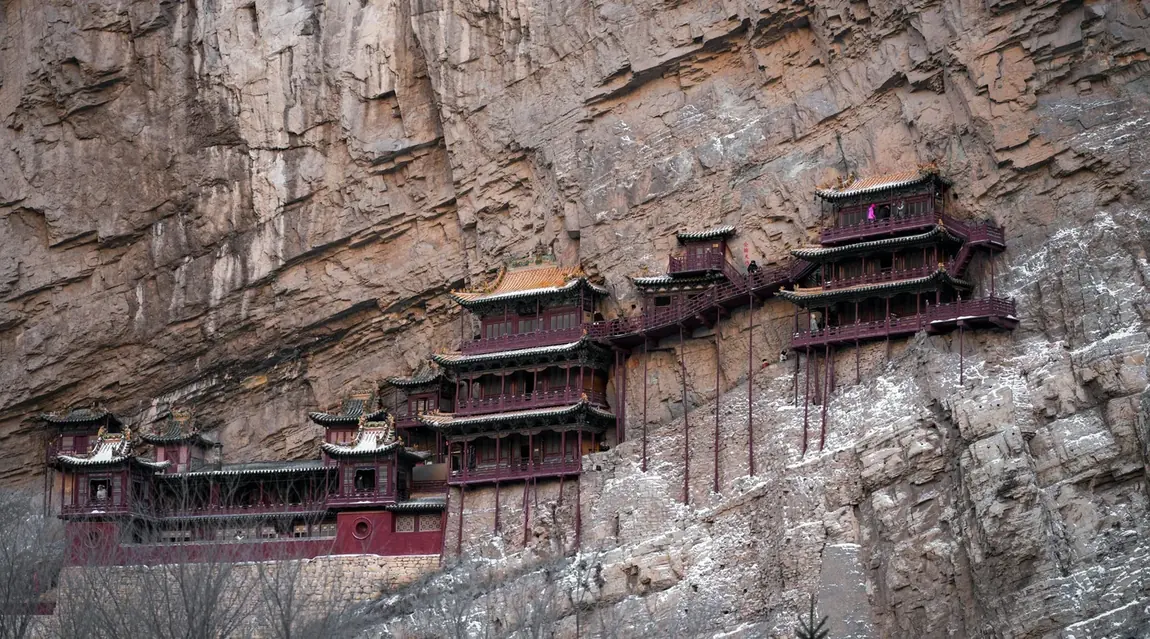
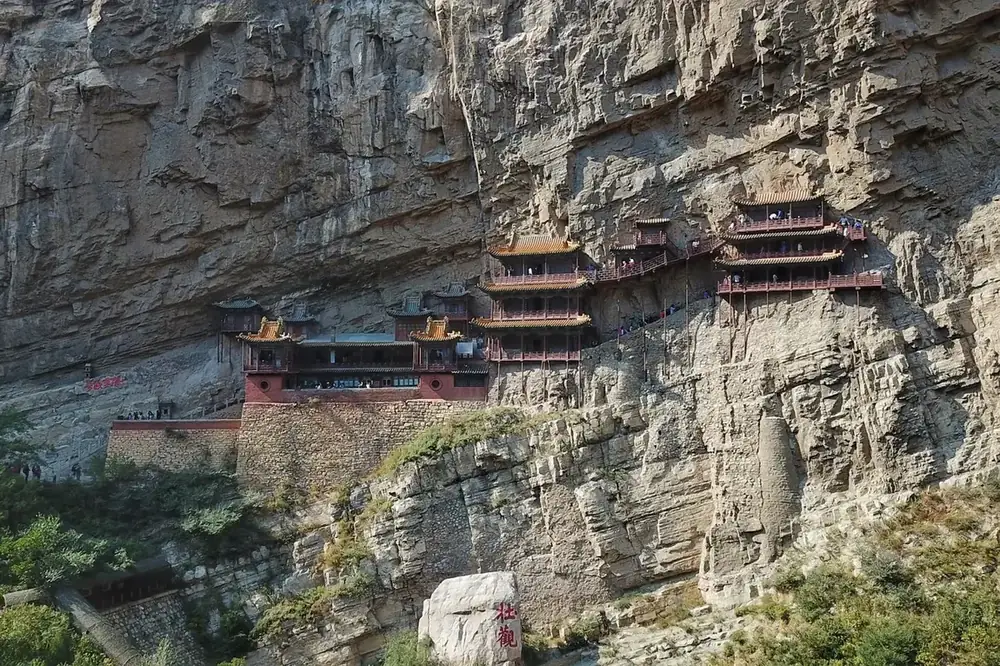
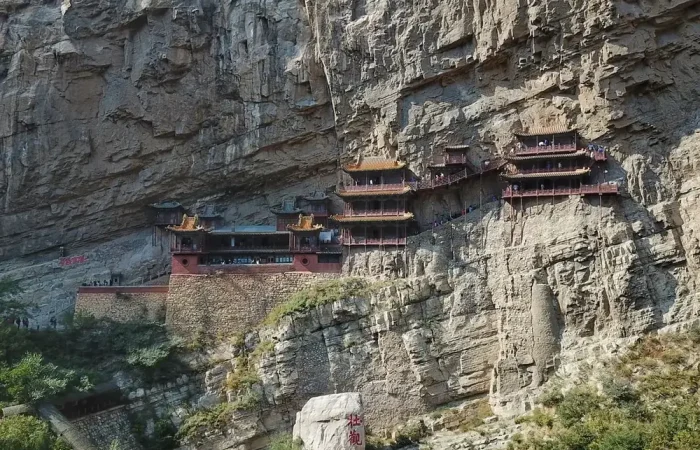
Two of Shanxi’s most dramatic sites share the day. The Hanging Temple on Mount Heng clings to a sheer cliff some 60 metres above the ground — galleries, halls, and pavilions pinned to the rock face by wooden beams that have held for over 1,500 years. The structure fuses Buddhism, Taoism, and Confucianism under one impossible roof, and seeing it in person raises the obvious question: how, and why here.
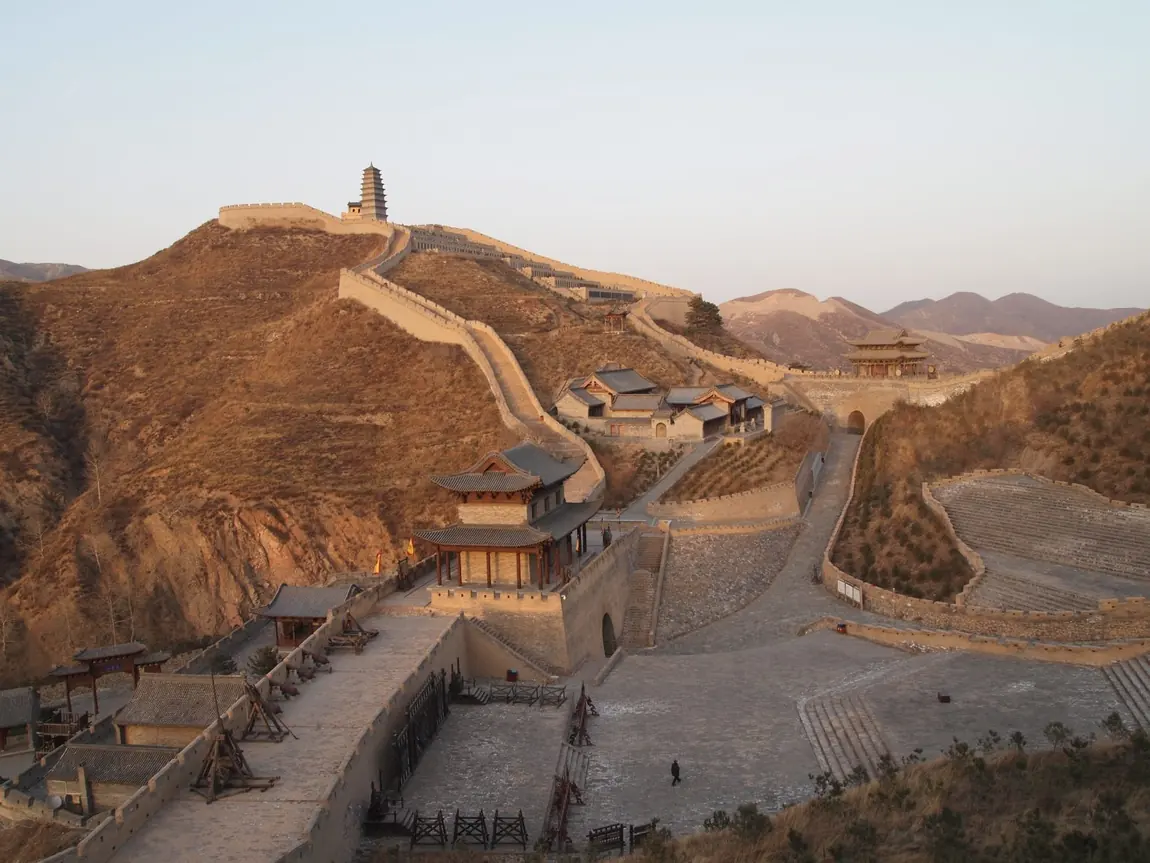
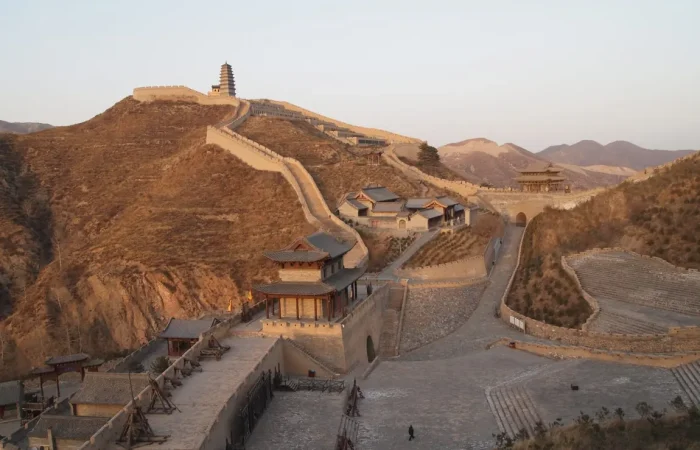
Continue to Yanmen Pass, historically known as China’s First Pass — the great northern frontier barrier where Chinese armies defended against steppe incursions across centuries of dynastic warfare. The watchtowers, Li Mu Shrine, and wide views into the grassland landscape put a different kind of weight on the journey.
Dinner is a Shanxi noodle-making performance at Shanxi Merchant Hall (*Shanxi Huiguan*) — the province’s handmade noodle traditions performed tableside as both craft and theatre. The evening includes a foot reflexology or light massage session back at the hotel, or a stroll along Zhonglou Street (*Zhonglou Jie*), one of Taiyuan’s best-preserved historic commercial strips — both options are included.
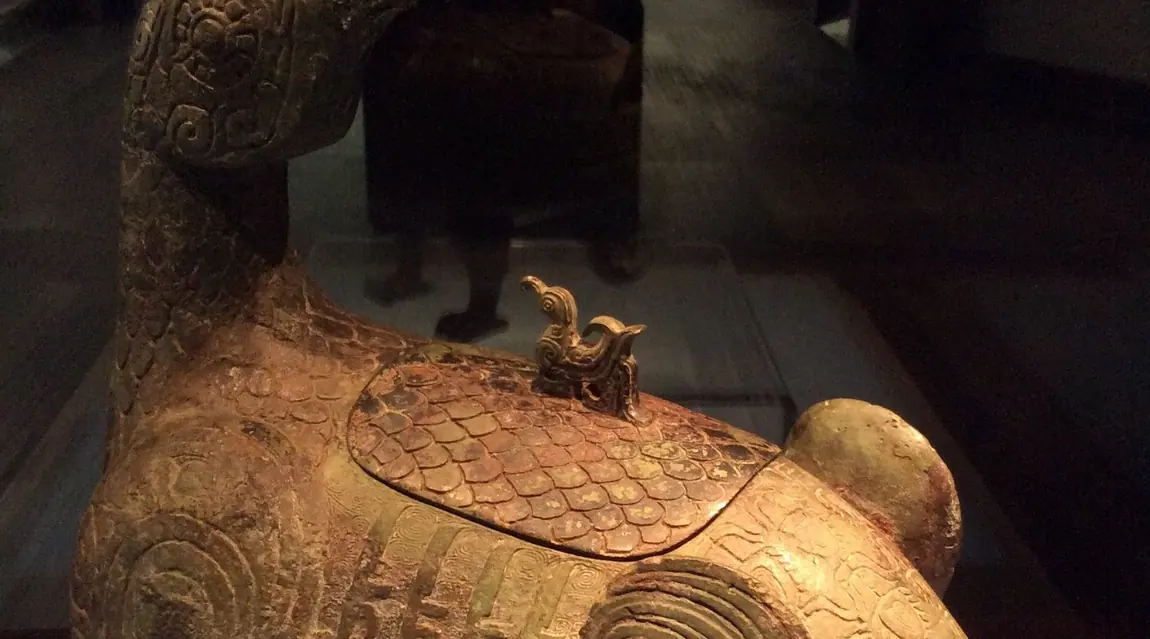
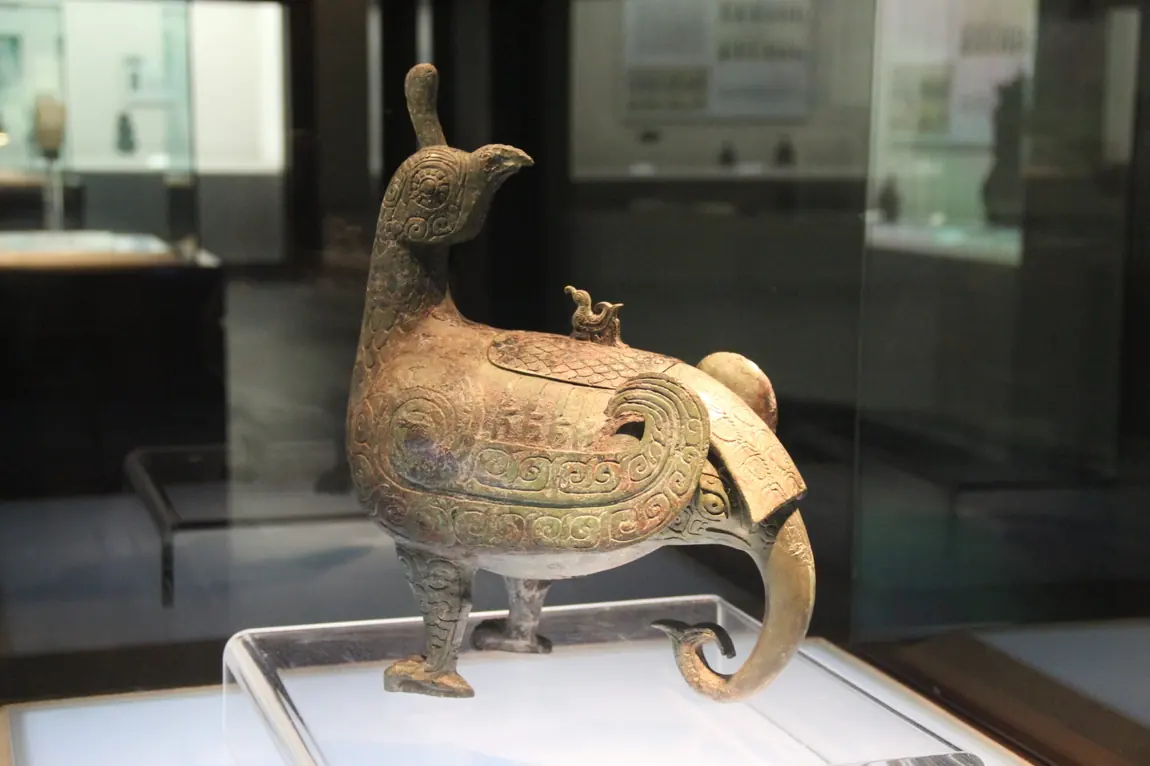
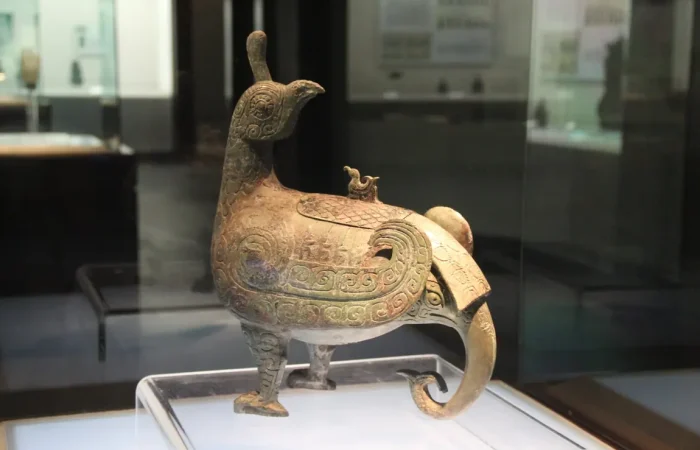
The morning in Taiyuan opens at Shanxi Museum, home to 400,000 artefacts and a collection strong enough to reframe everything seen so far on the trip. The highlight is the Bird Zun (*Niaozun*) — a Western Zhou bronze vessel shaped as a bird with an elephant-trunk tail, excavated from the Marquis of Jin cemetery and so significant it is permanently banned from leaving China. The Jinhun (Soul of Jin) permanent exhibition traces Shanxi from Neolithic origins through Western Zhou bronzes, Northern Wei sculpture, and Tang murals in a sequence that makes the province’s layered history suddenly cohere.
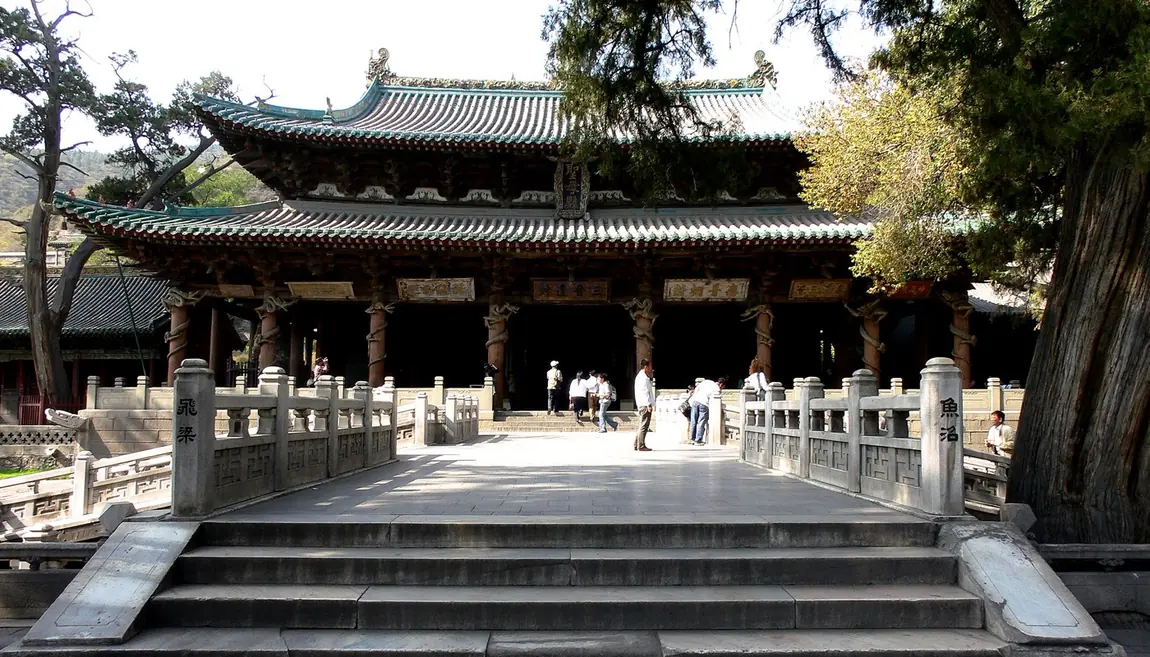
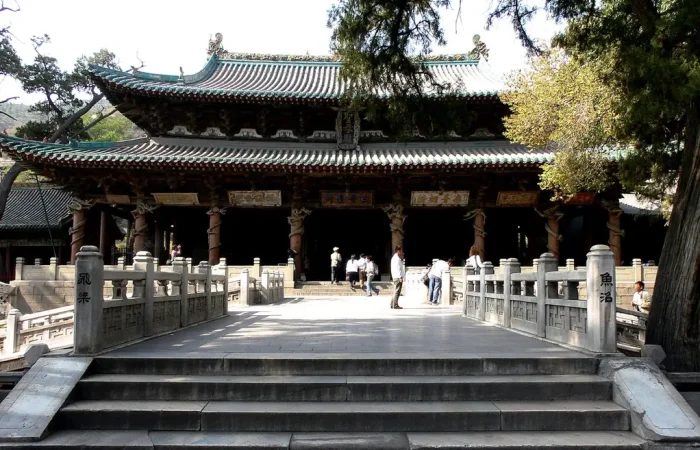
After lunch, visit Jinci Temple — China’s oldest surviving imperial shrine complex, founded in the Western Zhou dynasty and still fed by the Nanlao Spring (*Nanlao Quan*), a natural source that has run without interruption for three thousand years. The Song-dynasty Sacred Mother Hall and its 42 painted clay attendant figures are among the finest surviving examples of Song sculpture anywhere. Dinner is a Jinci intangible heritage banquet (*Feiyi Yan*), built around dishes tied to the temple’s ritual traditions.
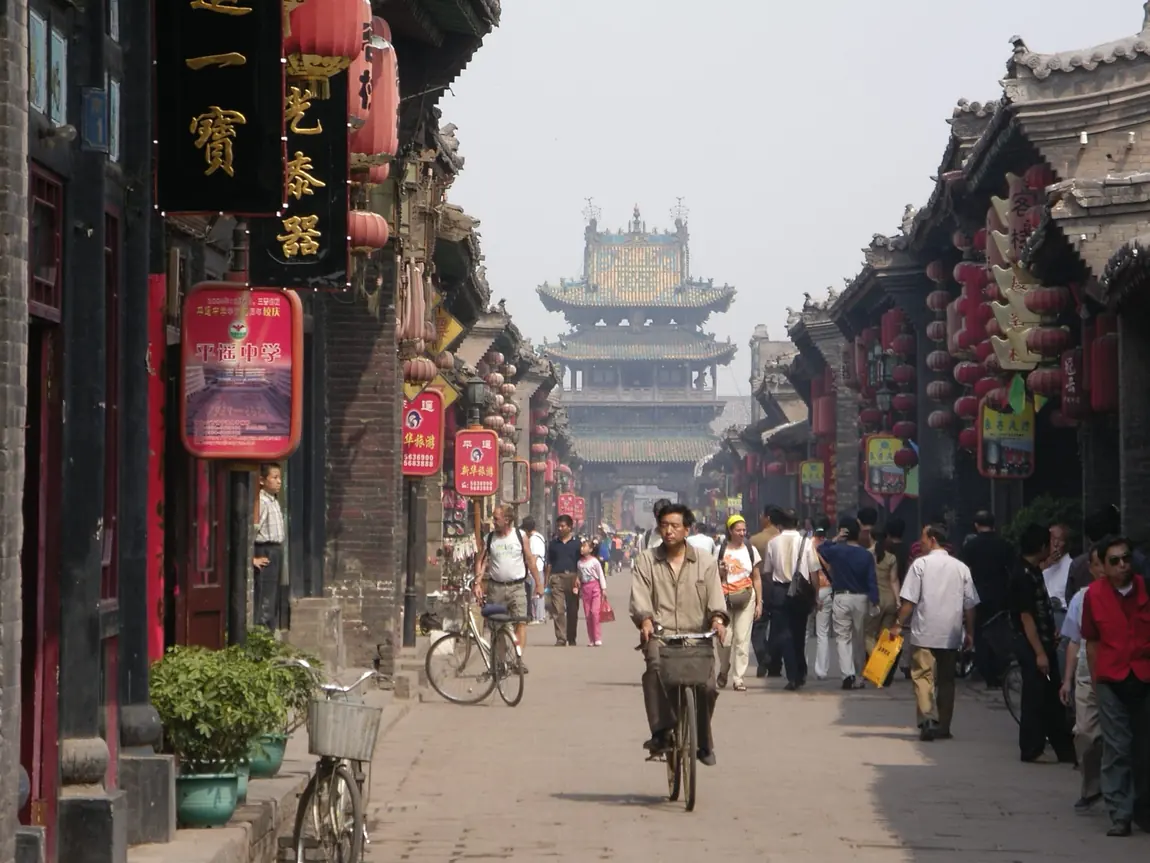
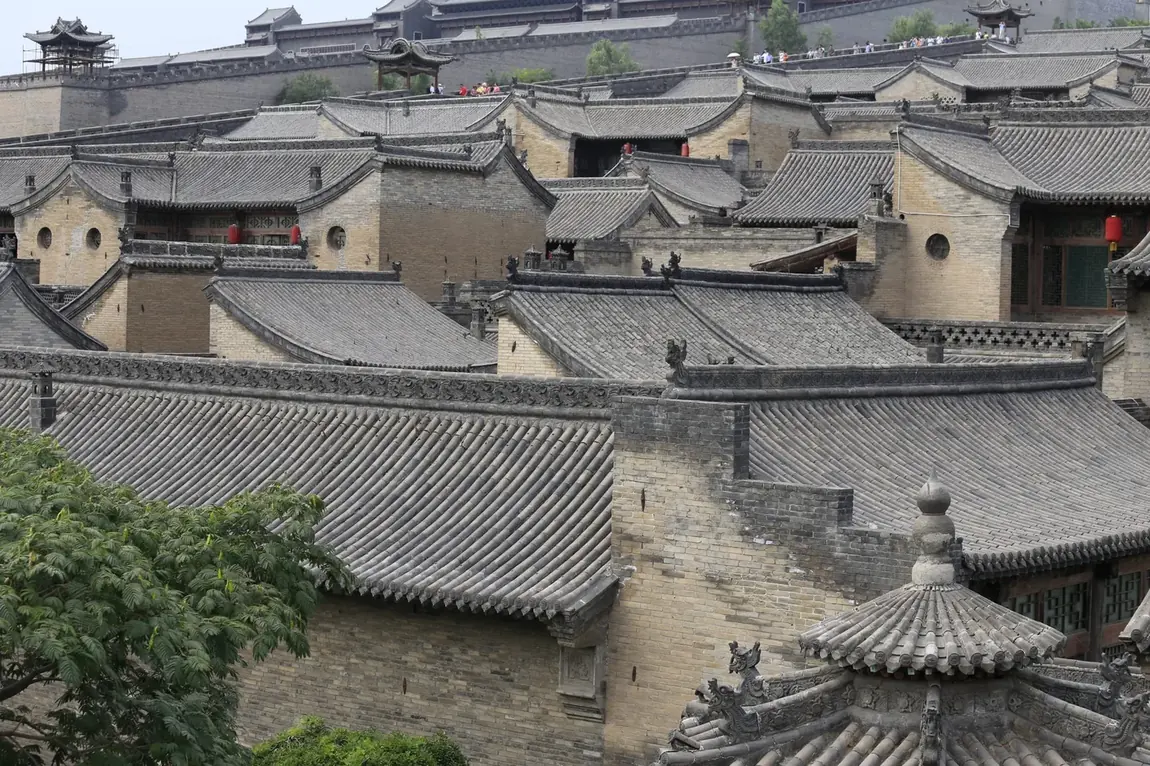
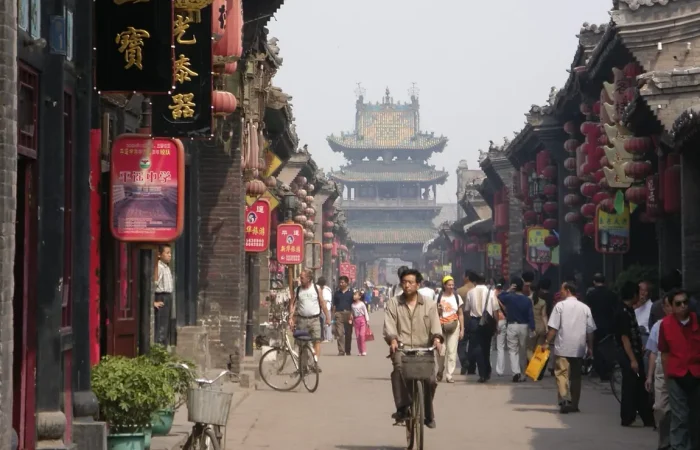
The route continues to Pingyao Ancient City — a UNESCO World Heritage walled town where the Ming-Qing merchant streetscape is preserved so completely it can feel like stepping into a different century. Check in at Pingyao Huiguan, a guild-hall courtyard inn inside the walled city. The evening includes a Jinshang folk-music performance paired with Pingyao street-food specialties. After dinner, a Jinshang costume photography session (*luepai*) lets guests dress as a Shanxi merchant lord or lady for a professional shoot in the walled city setting — or simply stroll Pingyao’s lantern-lit streets at your own pace. Both are included.
A full day inside Pingyao Ancient City. The morning walks the 6.4-kilometre wall circuit, the old county government compound (one of the best-preserved in China), the Rishengchang Exchange Shop where China’s first private banking system was born in 1823, and the merchant courtyards and guild buildings that made Pingyao’s merchants the wealthiest private financiers in the Qing empire.
The day includes a Paper-Cutting or Face-Painting Workshop — paper-cutting (*jianzhi*) is one of Shanxi’s most deeply rooted folk crafts, and opera face-painting (*hua lianpu*) connects to the region’s rich performance traditions. The guide facilitates the group’s choice on the day. Lunch is along Ming-Qing Heritage Street — small restaurants and stalls with menus that haven’t changed much in a century.
In the evening, the group attends Youjian Pingyao (*You Jian Pingyao*), a 90-minute immersive walk-through performance directed by Wang Chaoge that uses the whole of a purpose-built multi-room theatre to tell a story of merchant loyalty, plague, and homecoming. It is one of the more affecting pieces of live theatre in China and a genuinely different kind of cultural experience.
Afterward, drive to Mount Yunqiu Yaodong Courtyard in Kangjiaping Village on Yunqiu Mountain. The Kangjiaping night market is worth a wander before settling in — stone-vaulted cave rooms built into a hillside village, warm in winter, cool in summer, and unlike any other accommodation on the route.
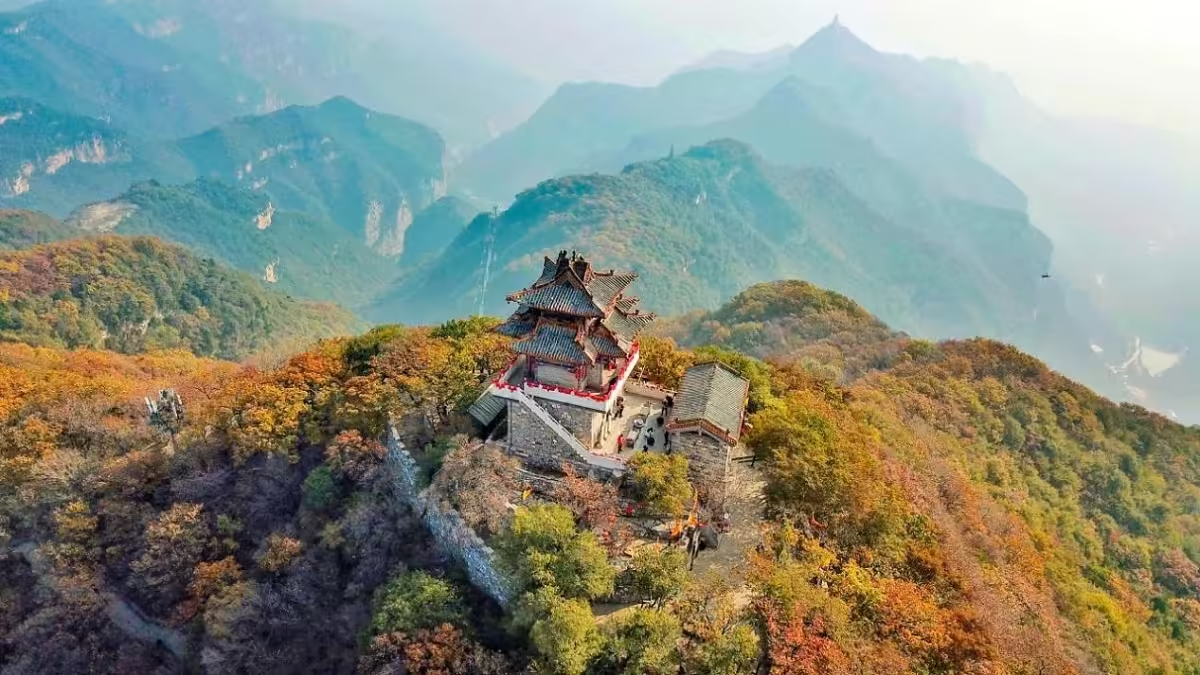
Yunqiu Mountain is a national 5A scenic area and a Daoist cultural mountain in southern Shanxi — less famous than the headline sites but genuinely different in character. The morning explores the Taerpo Ancient Village (*Taerpo Gucun*), a thousand-year-old settlement of stone and earth still inhabited by local families, and the mountain’s Permafrost Ice Cave, a geological feature that has preserved ice underground year-round for tens of thousands of years.
The morning also includes a traditional folk-customs experience and a hands-on Flower-Bread or Plant-Dyeing Workshop — flower-bread shaping (*niehuamo*) is an intangible heritage craft passed down through Yunqiu’s villages, and plant dyeing (*zhiwuran*) uses natural pigments from the mountain’s vegetation. The guide helps the group choose on the day.
Lunch is a Yunqiu wellness banquet (*Zhonghe Yangsheng Yan*), drawing on the mountain’s Daoist culinary traditions. From Yunqiu, continue south to Jixian. Dinner features Yellow River carp (*Huanghe Da Liyu*) — a signature regional dish that appears on every serious table in this stretch of the river valley. The evening includes a foot reflexology or light massage session at the hotel, or free time to explore the county town — both options are included.
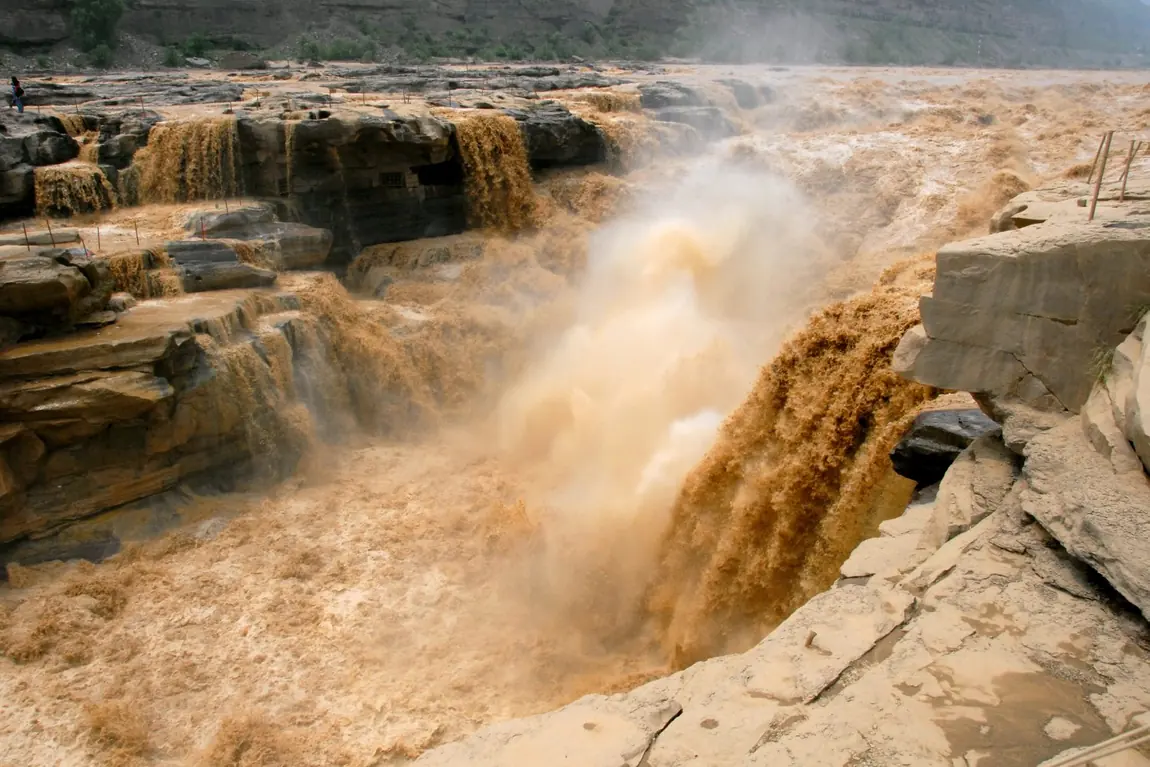
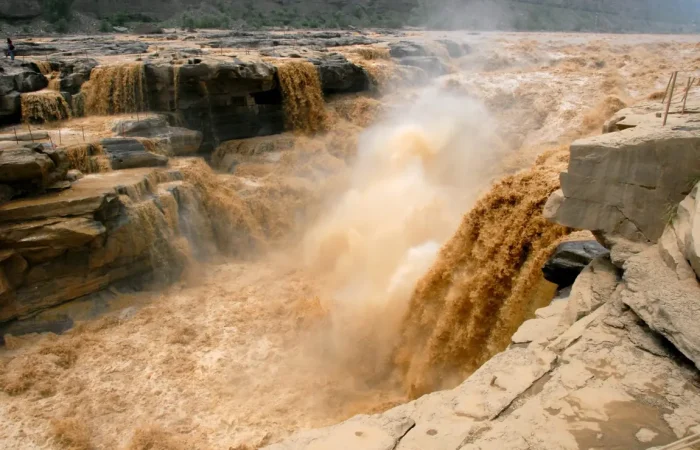
The Hukou Waterfall is the second-largest waterfall in China and the only major falls on the Yellow River — and unlike most waterfalls, its power comes not from height but from compression. The river narrows from 300 metres to 50 through a single rock chasm, forcing the full current into a roaring, mist-filled spectacle that shifts with the season. The viewing platform puts you close enough to feel the spray. A donkey ride along the riverbank is a lighthearted included experience.
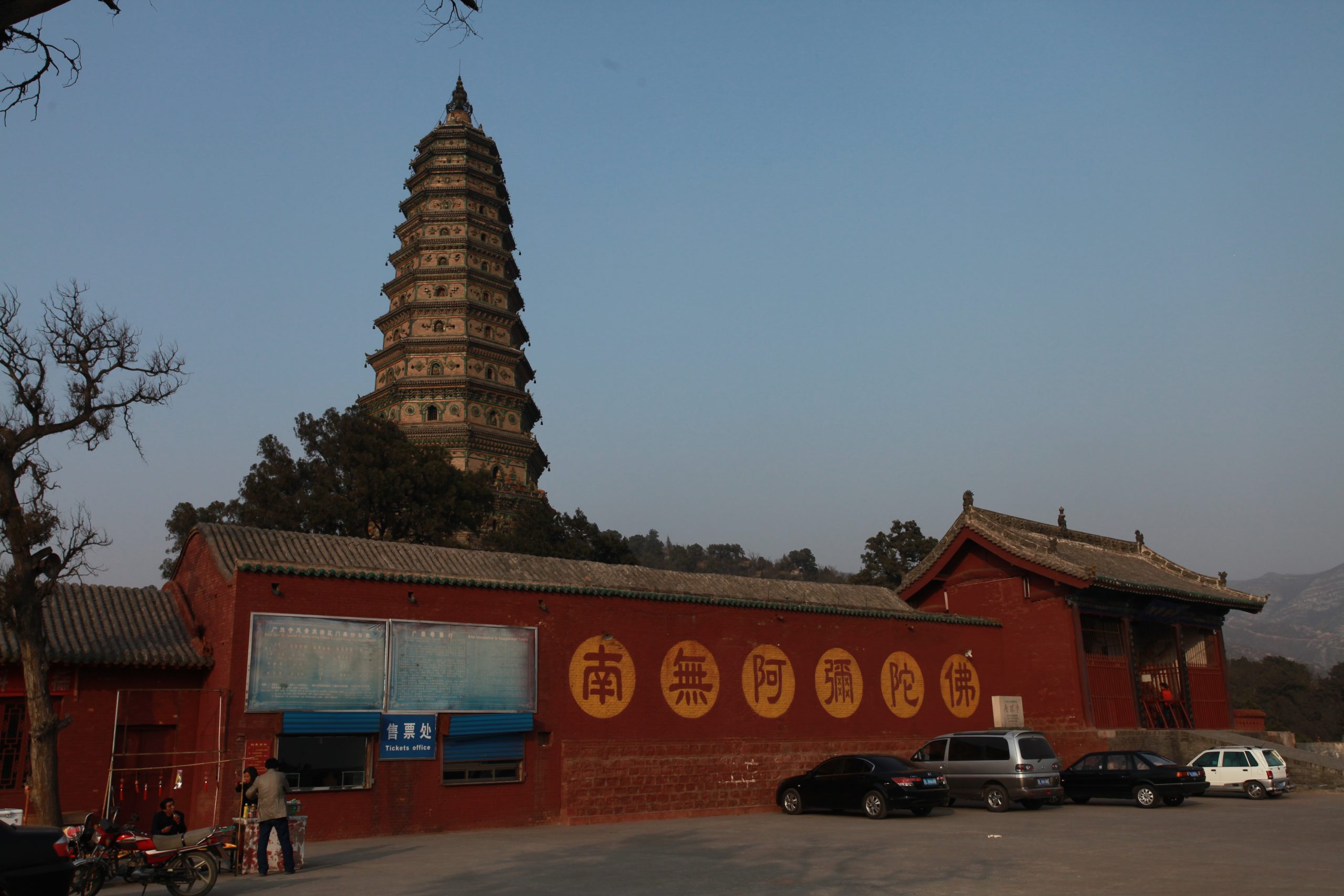
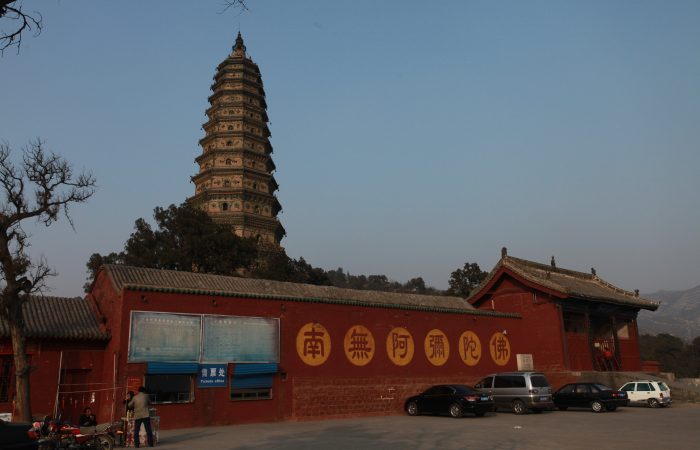
The afternoon continues to Guangsheng Temple, built on foundations dating to the Han dynasty and home to the Flying Rainbow Pagoda — a 13-storey glazed-tile tower covered in polychrome ceramic figures and considered one of the finest surviving ceramic pagodas in China. The Yuan-dynasty murals inside the Water God Temple are an important but easily overlooked part of the same complex.
The night is spent at Chongning Castle Hotel in Lingshi — the fort itself dates to the Yongzheng reign of the Qing dynasty and was once part of the Wang Family Compound estate before conversion. Hot spring pools drawn from 1,900 metres underground are open throughout the evening — the property offers herb-infused, flower-bath, and mineral soaking pools as part of the stay. Alternatively, you can explore the castle grounds at night or stroll along the Wang Family Compound pedestrian street outside.
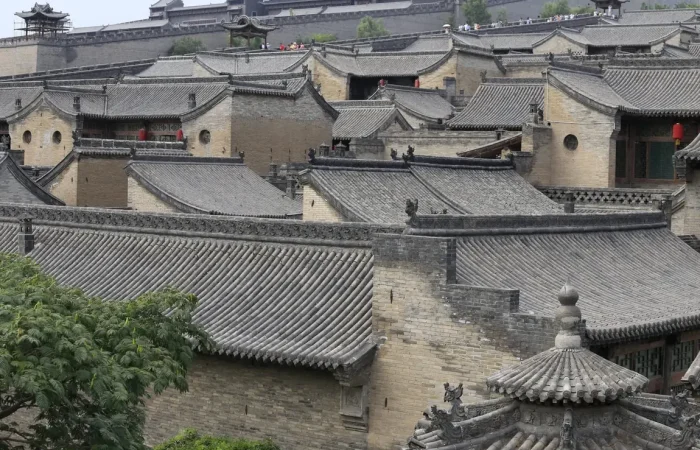
The Wang Family Compound — sometimes called the Folk Palace — covers 250,000 square metres of Qing dynasty merchant architecture, making it one of the largest private residential complexes ever built in China. The Red Gate Fort and High Family Cliff sections alone take most of a morning to walk properly. The carved brickwork, woodwork, and stonework across the compound’s facades represent a level of craft investment that becomes comprehensible only when you understand the scale of Shanxi merchant wealth at its peak.
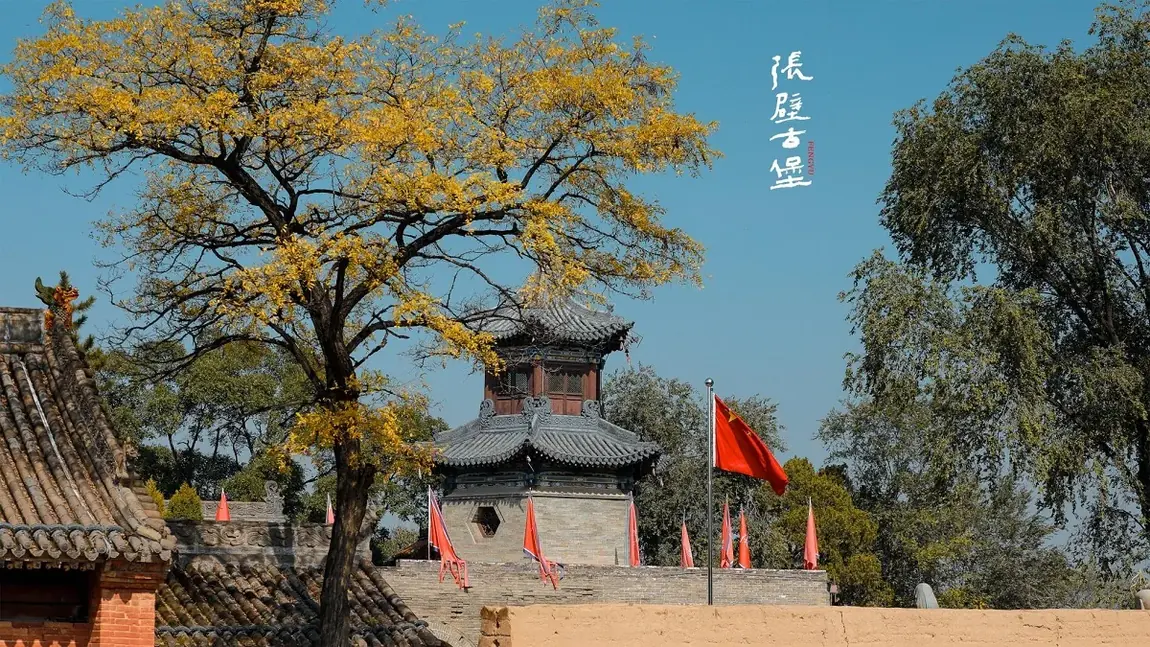
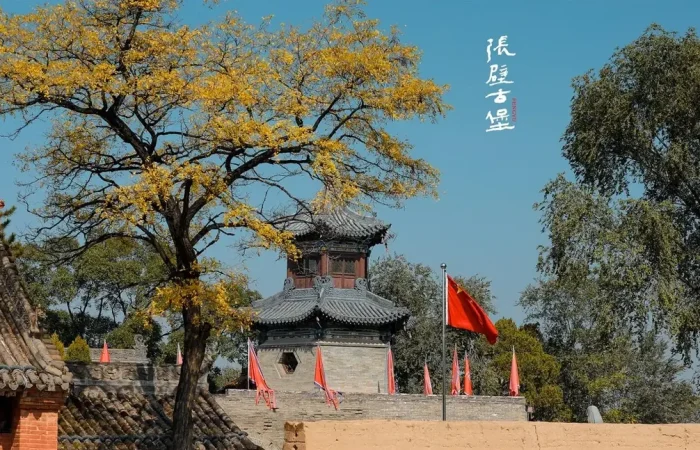
In the afternoon, continue to Zhangbi Castle near Jiexiu — a Northern Dynasties-era fortified village built above a network of 1,400-year-old military tunnels that run beneath the entire settlement. The above-ground fabric is a mix of defensive walls, old temples, and inhabited historic lanes; the tunnels below are a reminder that Shanxi’s villages were designed not just for living but for surviving. A hands-on Glazed Tile or Cloisonne Workshop (*liuli* or *diancui*) connects the decorative arts seen throughout the region’s temples and estates with techniques still practised locally.
From Jiexiu, board the high-speed rail back to Beijing — the same modern contrast that opened the journey on Day 2 now closes the Shanxi arc, with the province’s full historical span compressed into one smooth return.
After breakfast, transfer to Beijing Capital or Daxing International Airport for the onward international flight. The final morning is kept simple — no sightseeing is scheduled so the departure feels orderly rather than rushed.
If your flight allows extra time in the city, the guide can suggest nearby options. Otherwise, the journey ends here.