Login
Eleven days across three of China’s greatest ancient capitals, connected by high-speed rail.
Sichuan’s pandas and fiery kitchens. Xi’an’s underground terracotta army and Tang dynasty night spectacle. Beijing’s imperial palaces, hutong lanes, and Great Wall. Between them, hands-on cooking at a Sichuan cuisine museum, a lacquer-bead workshop with intangible heritage masters, a panda volunteer morning at Dujiangyan, a terracotta figurine you make yourself, a Guanzhong village folk festival, a rickshaw ride through 800-year-old hutong lanes, and Peking duck carved tableside. The pace is built for curiosity, not exhaustion — with enough room to feel each city on its own terms.
Your driver meets you at Chengdu Shuangliu International Airport with an English name sign — from here, everything is handled. Your group vehicle takes you to your city hotel for check-in.
The rest of the day is yours to settle in at your own pace, adjust to Sichuan’s subtropical rhythm, and rest before the journey begins in earnest tomorrow. Chengdu rewards slow starts — even the locals say so.
After breakfast, the day opens at the Sichuan Cuisine Museum — the only museum in China dedicated to a single regional cuisine. You walk through galleries of traditional kitchen tools, fermentation jars, and ingredient displays that trace how Sichuan cooking evolved its signature heat and complexity over 3,000 years.
The visit turns hands-on in the museum’s teaching kitchen, where a professional chef guides you through making kung pao chicken (*gongbao jiding*) and panda-shaped dim sum from scratch — a Sichuan cooking class that is equal parts technique lesson and lunch.
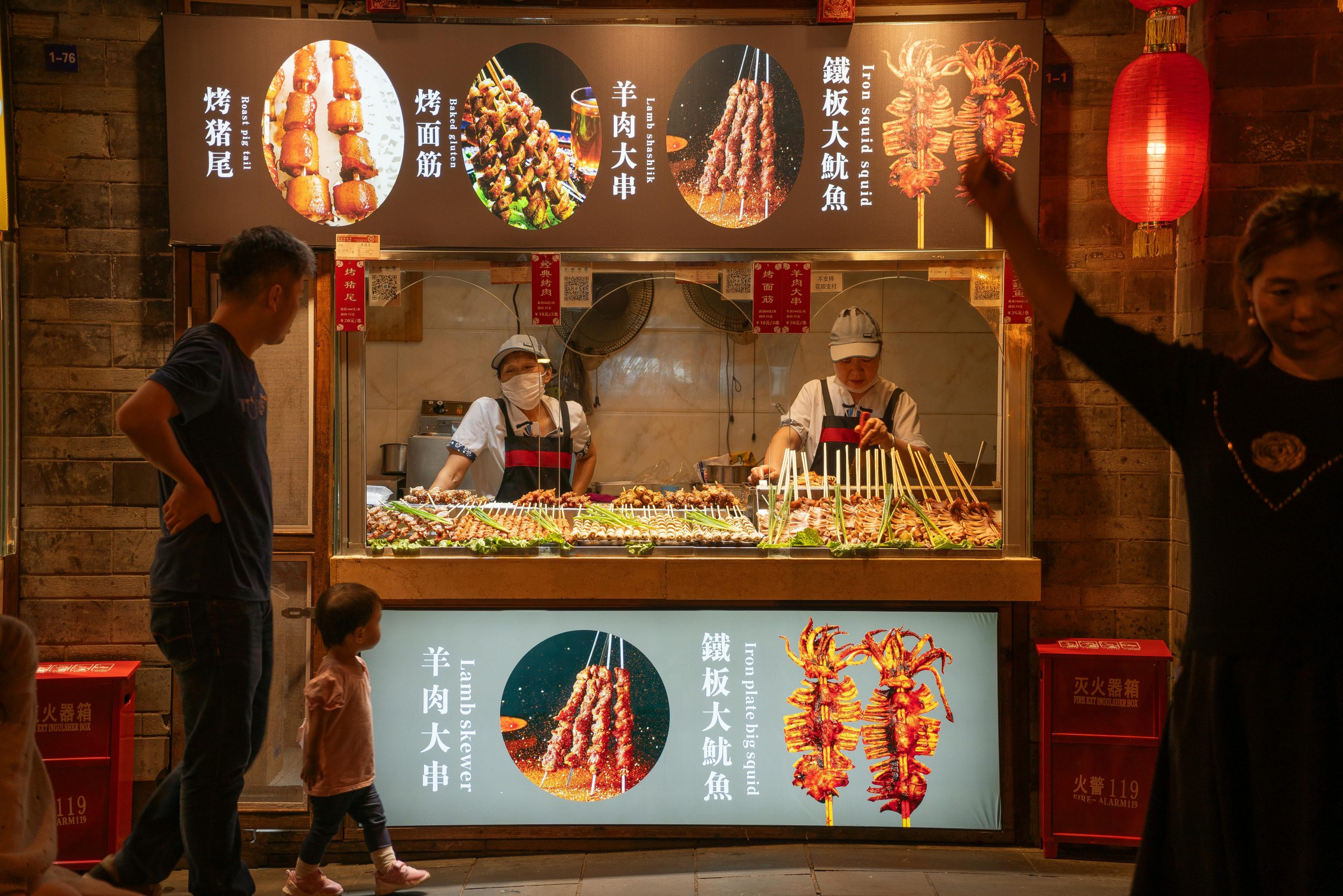
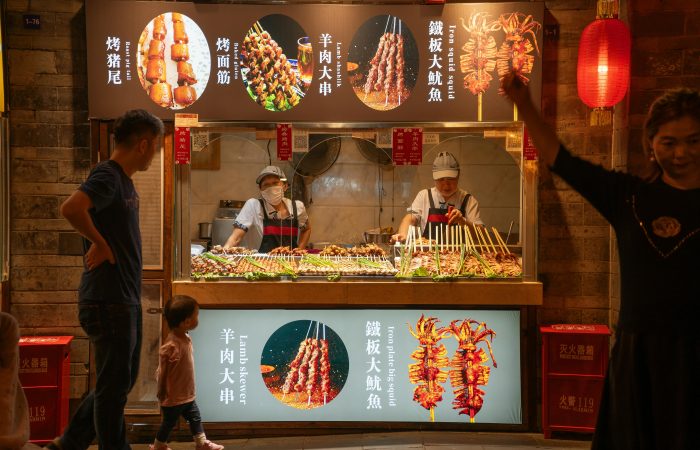
Afterward, you sample dozens of Chengdu street snacks laid out across the museum’s tasting hall — a concentrated survey of the city’s food culture in one sitting.
The evening brings a live Sichuan opera performance, including the signature face-changing (*bianlian*) and fire-breathing acts that have made this art form famous. The show runs at Shuyi Theatre (*Shuyi*), where you sit close enough to watch the masks shift in real time.
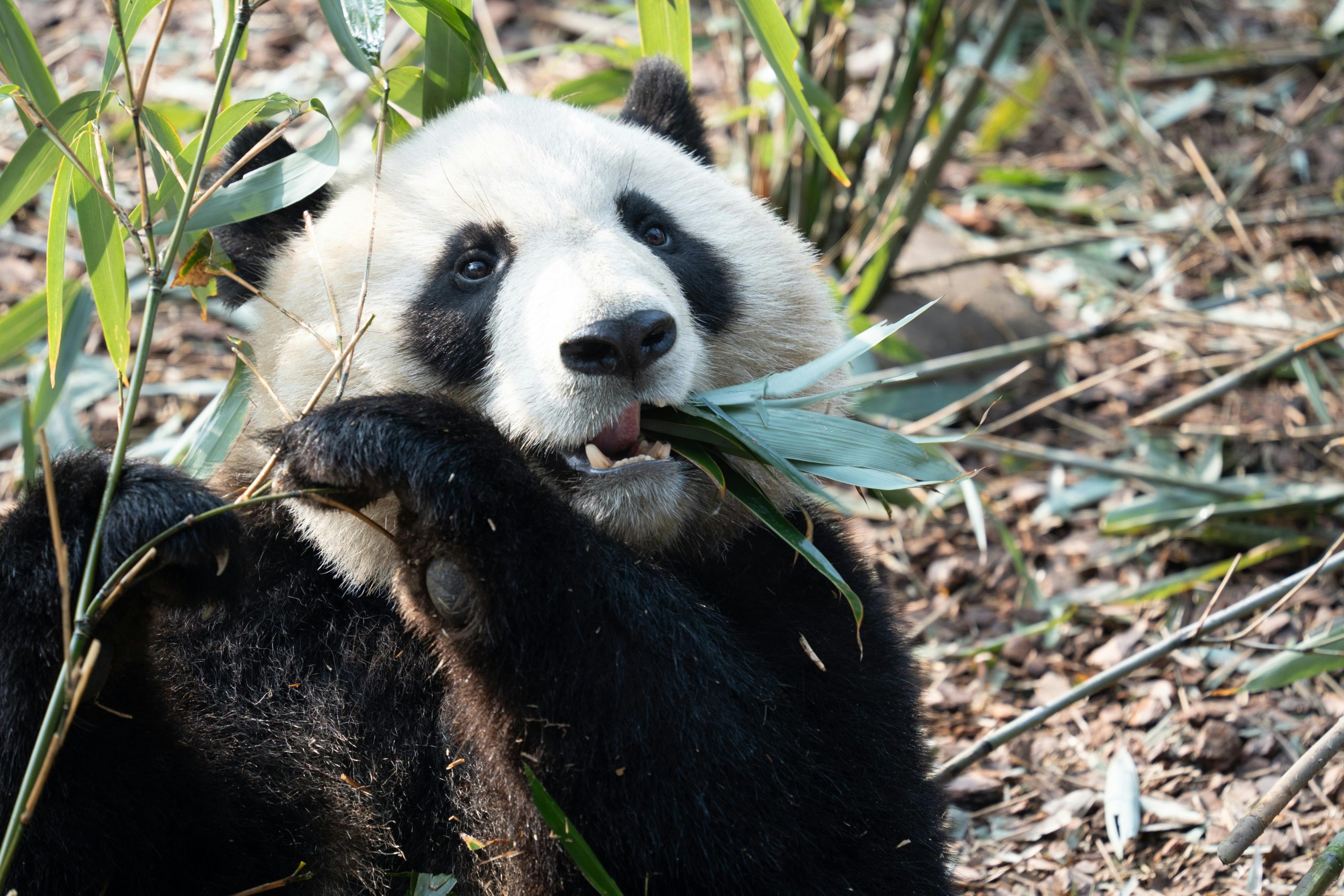
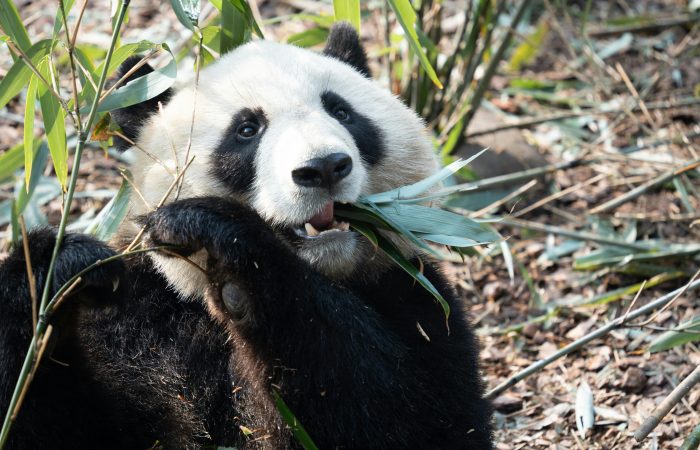
After breakfast, the drive to Dujiangyan Panda Valley takes about an hour west of Chengdu. This is not a viewing-only visit — you join a panda volunteer experience under professional supervision, preparing food for the giant pandas, observing their feeding routines, and learning about the conservation programme that brought the species back from the brink. A photographer documents the entire morning, and at the end you receive an internationally recognised volunteer certificate.
Lunch is a local Sichuan meal near the sanctuary.
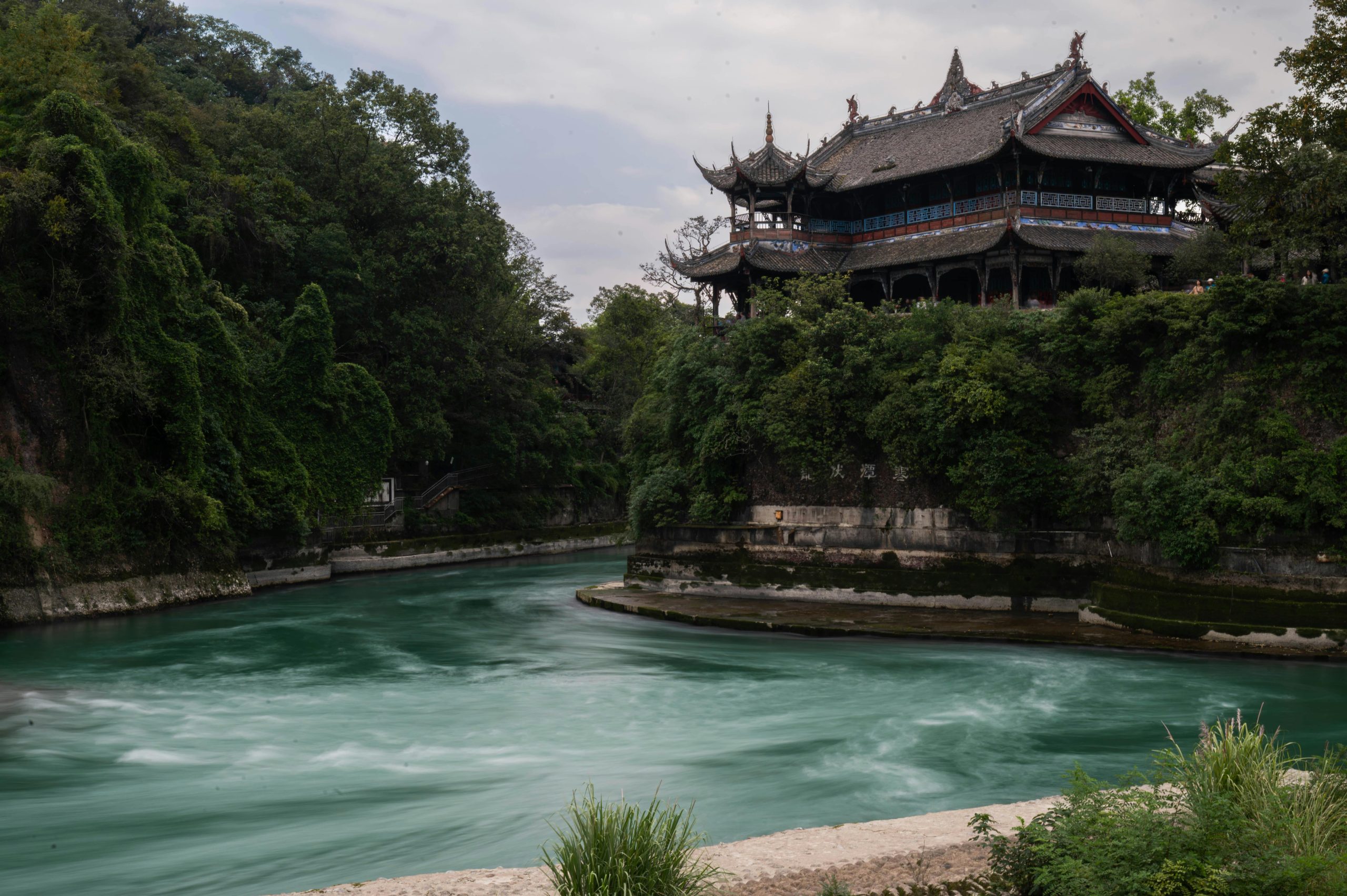
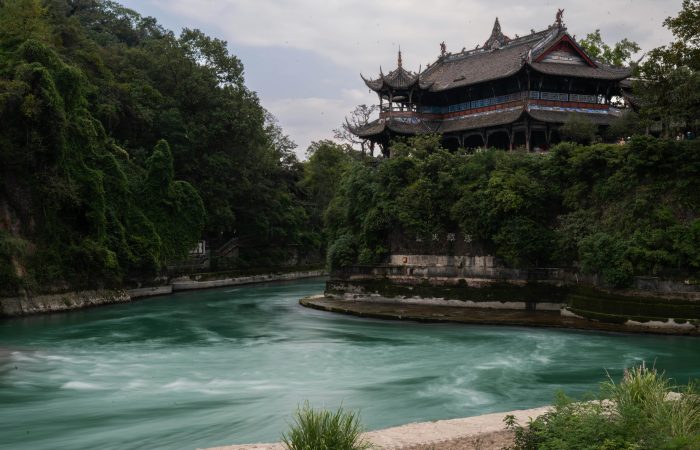
The afternoon moves to the Dujiangyan Irrigation System — a 2,200-year-old feat of hydraulic engineering built in 256 BC that still irrigates the entire Chengdu Plain today without pumps, dams, or any fundamental modification to the original design. Your guide walks you through the Fish Mouth Levee, the Flying Sand Weir, and the Bottle-Neck Channel, connecting the engineering to the father-and-son story of Li Bing that every Chinese schoolchild knows.
Dinner is authentic Chengdu hotpot — a bubbling communal pot of chilli-laced broth with thinly sliced meats, fresh vegetables, and the signature sesame oil dip that cuts through the heat.
After breakfast, the morning opens at the Chengdu Lacquerware Factory — one of the last working lacquer workshops in China, where intangible heritage masters still practise the 3,000-year-old Sichuan lacquer craft. You tour the production floor to watch the painstaking layering, carving, and polishing process, then sit down for a lacquer-bead workshop where you make your own lacquer bead under a master’s guidance. The finished piece is yours to take home.
From the factory, you head to People’s Park (*Renmin Gongyuan*) — Chengdu’s central green space where locals play mahjong under the trees and professional tea pourers serve covered-bowl tea (*gaiwan cha*) with a flourish. This is Chengdu slow life distilled into one park bench.
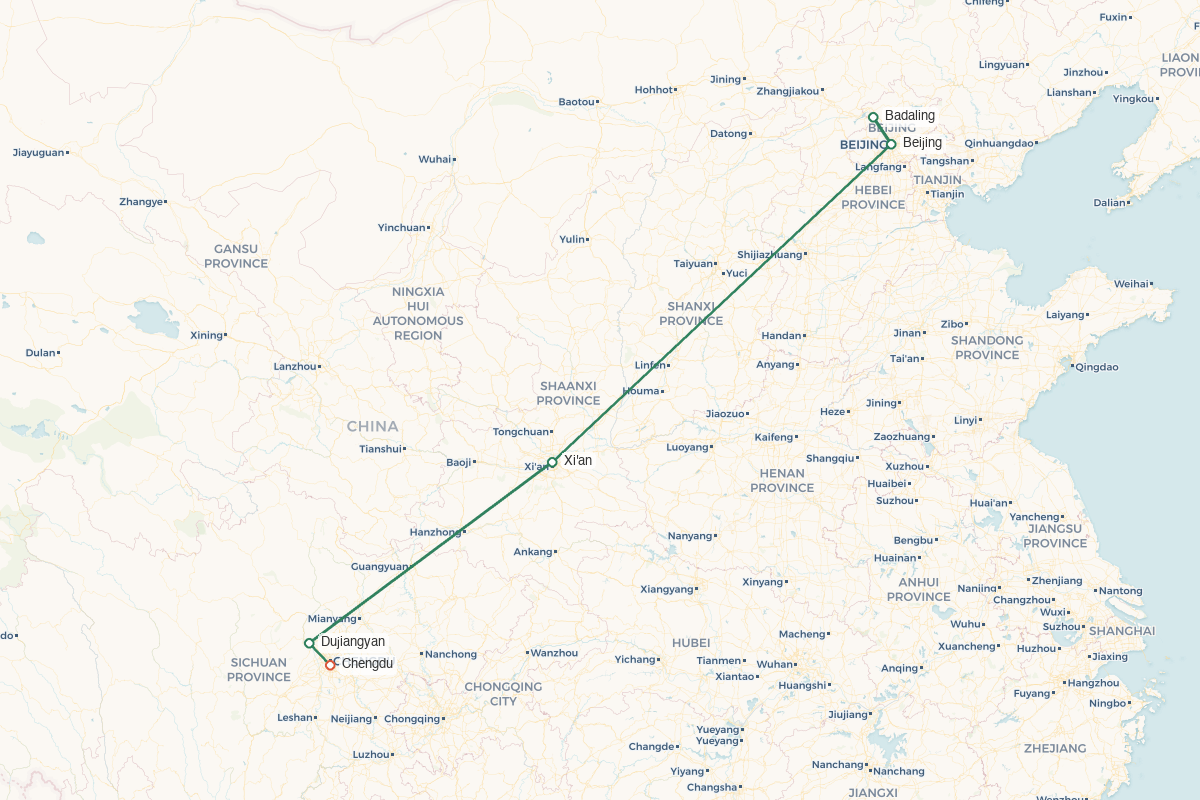
After lunch, the group transfers to Chengdu East Station for the Chengdu–Xi’an high-speed rail — about 3.5 hours through the mountains. Your guide handles the logistics.
Arriving in Xi’an, your group vehicle meets you at the station and takes you to your city hotel. The evening is a welcome dinner of Xi’an regional specialties — a first taste of Guanzhong flavour before the ancient capital reveals itself tomorrow.
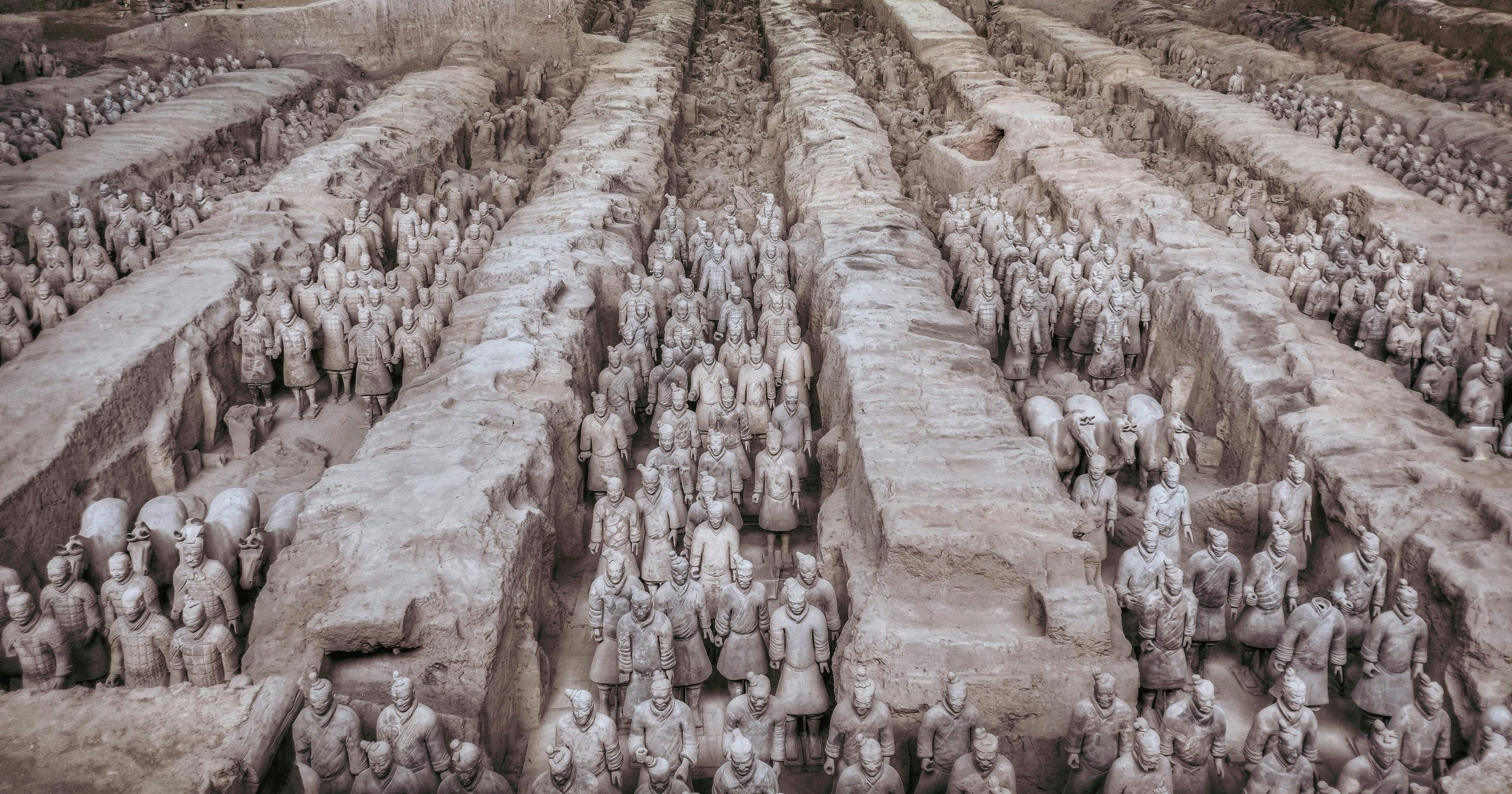
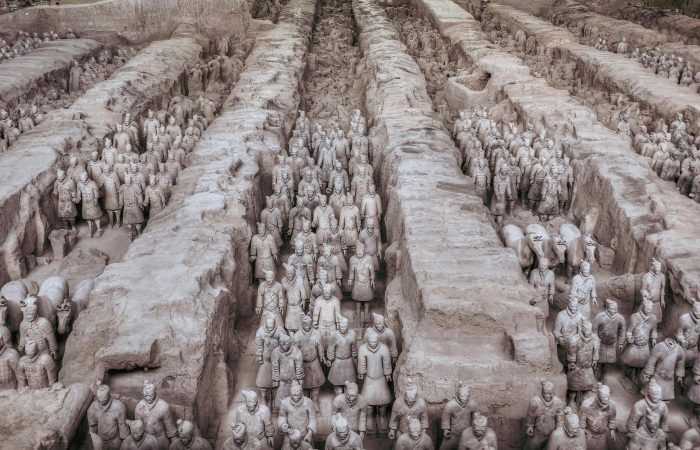
After breakfast, the drive east takes you to the site that put Xi’an on every traveler’s map: the Terracotta Warriors (*Bingmayong*). An underground army of over 8,000 life-size clay soldiers, horses, and chariots, buried for over 2,200 years to guard China’s first emperor in the afterlife. A specialist site guide walks you through Pits 1, 2, and 3, explaining the construction techniques, the individuality of each face, and the scale of ambition that built the Qin dynasty.
After the tour, you sit down for a terracotta figurine workshop — shaping your own miniature warrior from clay under professional instruction. It is a quieter way to absorb what you have just seen.
Lunch is nearby, then the afternoon moves to Huaqing Palace (*Huaqing Gong*) — a Tang dynasty hot spring complex where Emperor Xuanzong bathed with his legendary consort Yang Guifei. You walk through the imperial bath pavilions, the royal gardens, and the restored palace halls that connect one of China’s most famous love stories to the physical site where it played out.
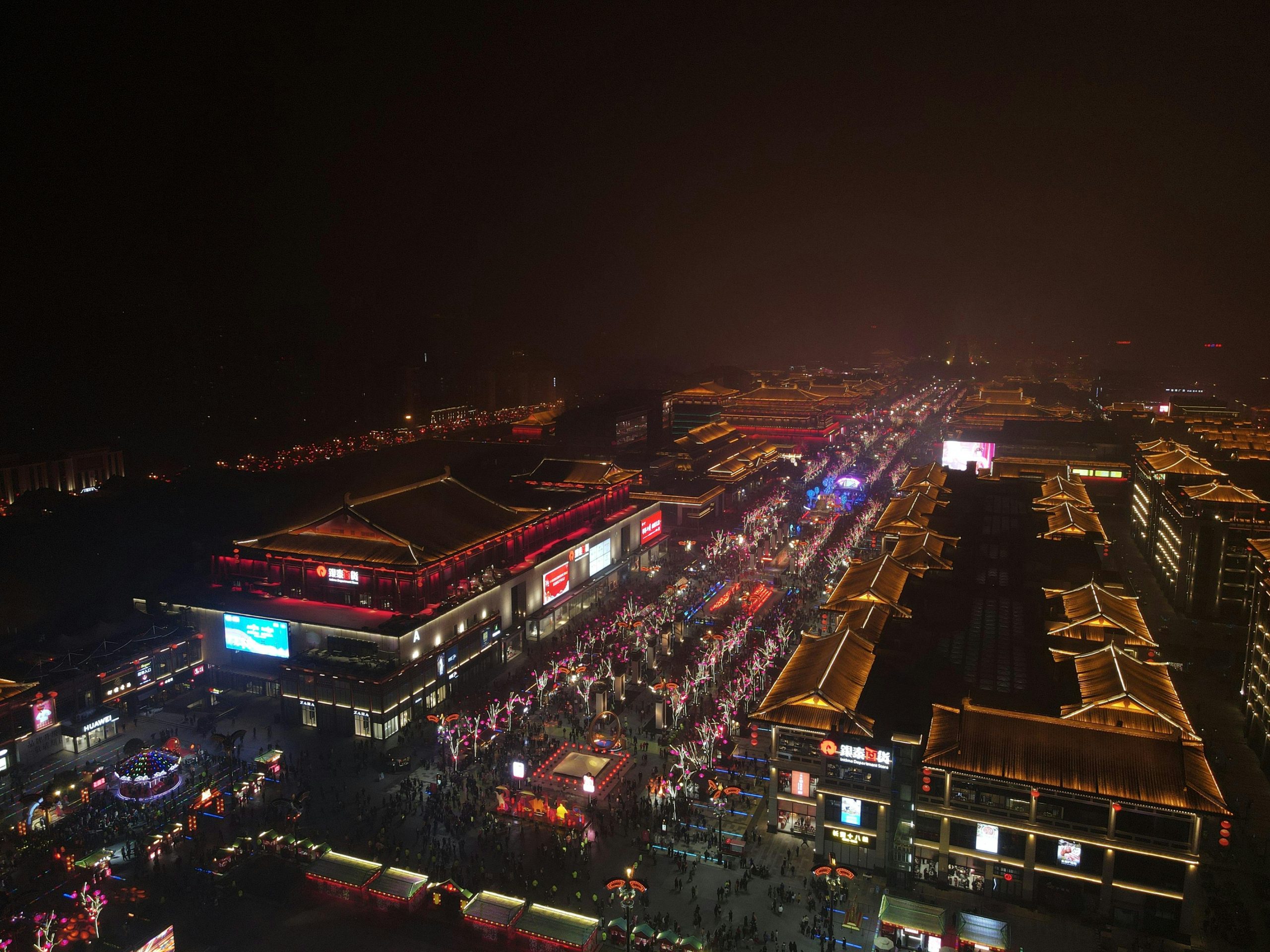
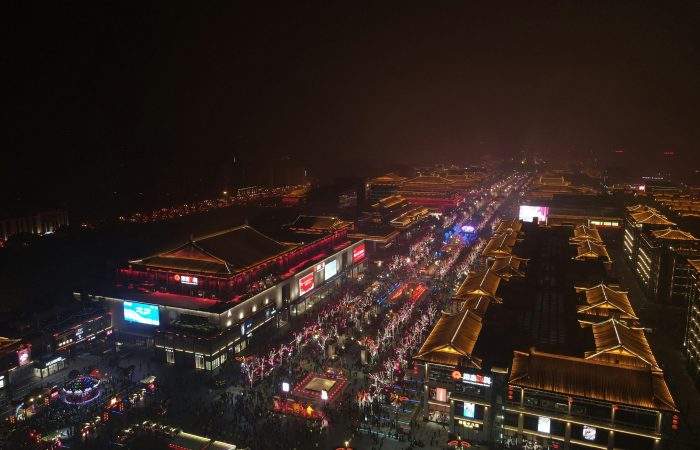
In the evening, you change into Tang dynasty costume and head to the Great Tang All Day Mall (*Datang Buyecheng*) — a 2-kilometre pedestrian avenue of reconstructed Tang architecture, costumed performers, and neon. The night walk through Xi’an’s signature spectacle feels like stepping into a Tang-era festival.
After breakfast, the drive takes you about an hour northwest of Xi’an to Yuanjiacun Village (*Yuanjiacun*) — a restored Guanzhong folk village that has become one of Shaanxi’s most celebrated rural cultural destinations.
The morning is a Guanzhong folk experience: watching stilt-walking and dragon dance performances, exploring the village’s tunnel system, and learning about the daily customs and traditions of Guanzhong rural life that have shaped this region for centuries.
Lunch is self-directed on Yuanjiacun’s famous snack street — over 60 stalls of Guanzhong home cooking, from hand-pulled noodles to stone-ground tofu, each one a speciality of the surrounding villages. Your guide walks you through the options.
The afternoon returns to Xi’an for The Great Qin (*Jiujiu Daqin*) — a full-scale immersive performance that brings the rise and fall of the Qin Empire to life with track-mounted moving seats, martial choreography, and 3D terracotta warrior projections on the world’s largest stage. After centuries of distance from the real Terracotta Warriors, this show puts you inside the story.
After breakfast, the morning is devoted to the Shaanxi History Museum — one of China’s four great museums, housing 370,000 artifacts that span from Neolithic stone tools through the bronze ritual vessels of the Zhou dynasty, the gold and silver of the Tang, and the ceramics that traveled the Silk Road. A specialist guide leads you through the collection, connecting the objects to the civilizations you have been walking through all week.
Lunch is a featured Xi’an meal before the group transfers to Xi’an North Station for the Xi’an–Beijing high-speed rail — about 4.5 hours through the North China Plain, one of the great modern rail journeys.
Arriving in Beijing, your group vehicle meets you at the station and takes you to your city hotel. The evening is free to rest after a full day of museum and rail travel.
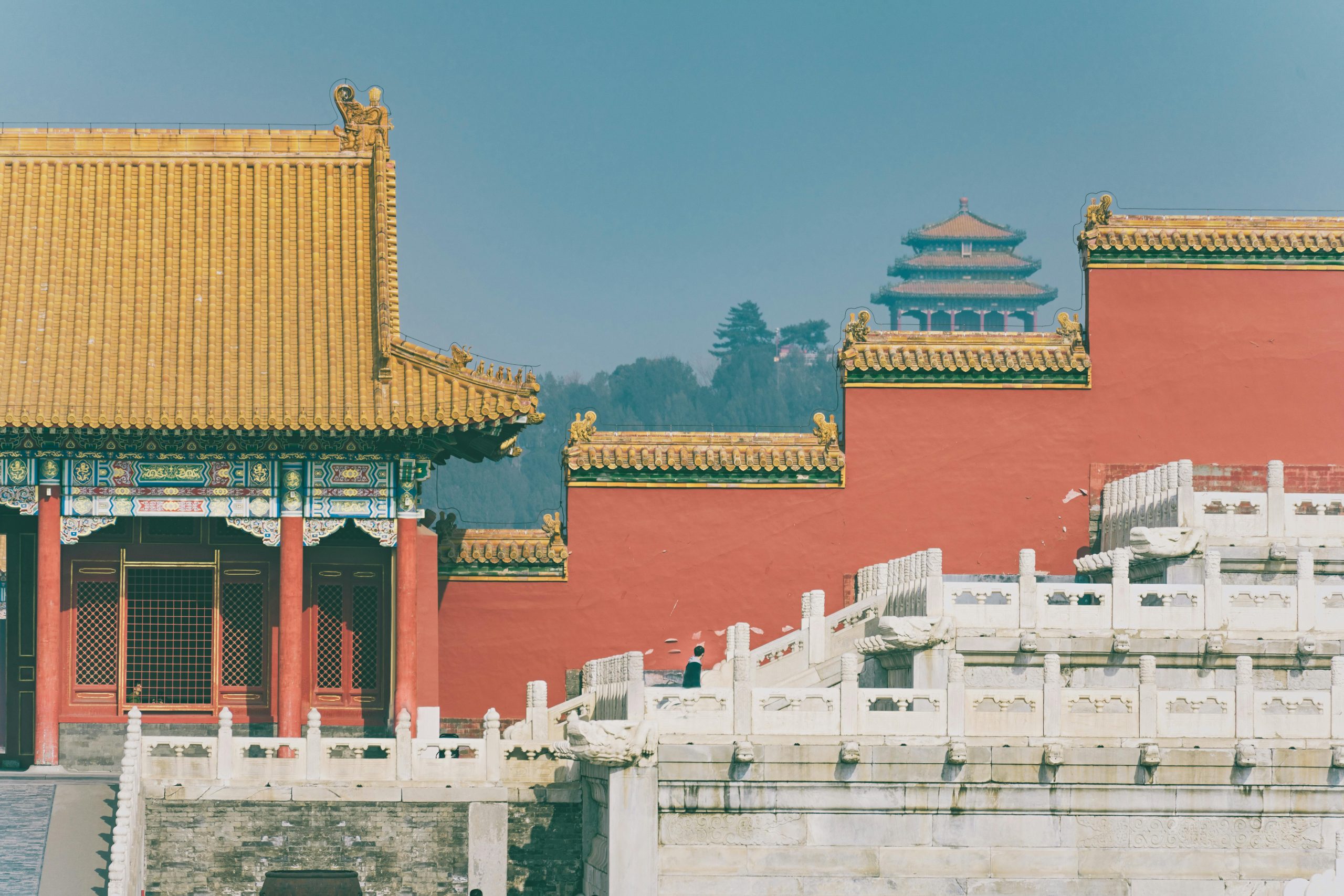
After breakfast, the day begins at Tiananmen Square — the world’s largest public square, flanked by the Great Hall of the People and the National Museum. Your guide traces the modern history embedded in the architecture before you cross through the gate into the Forbidden City (*Gugong*).
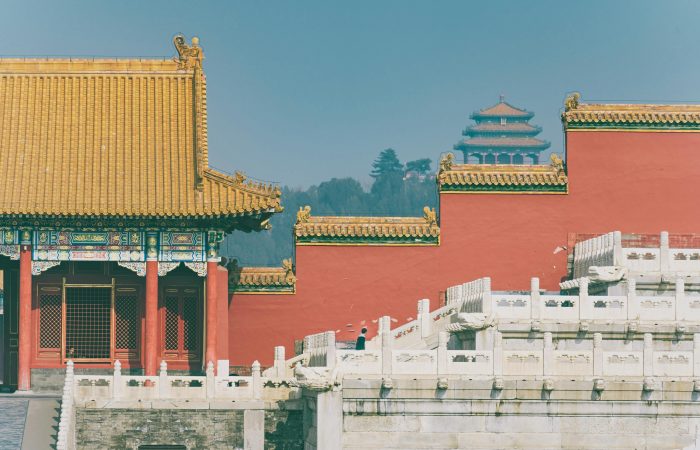
The Forbidden City is the world’s largest surviving imperial palace complex — 9,999 rooms, 178 acres, and 500 years of Ming and Qing dynasty rule laid out along a single ceremonial axis. Your guide walks you along the central route through the Hall of Supreme Harmony, the Hall of Preserving Harmony, and the Imperial Garden, weaving together the court rituals, political manoeuvres, and daily lives of the emperors who ruled from inside these vermilion walls.
Lunch is inside the Forbidden City — a rare chance to dine within the palace complex itself, with an exclusive afternoon tea service to follow.
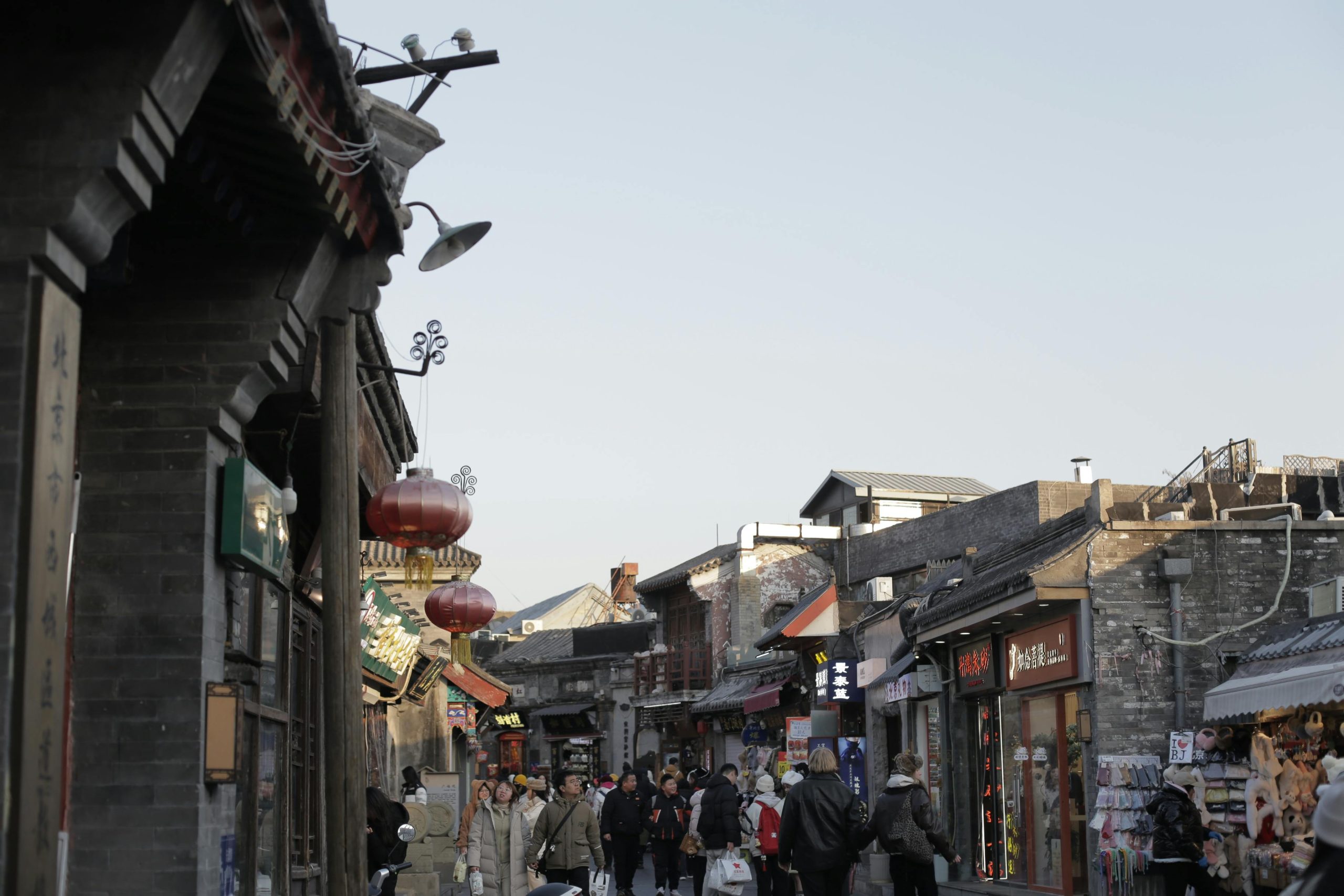
The afternoon shifts from imperial grandeur to neighbourhood texture with a hutong rickshaw ride through Beijing’s old courtyard lanes. You visit a collection of vintage Beijing objects (*lao wujian*) that bring the hutong’s history to life, then try your hand at diabolo (*dou kongzhu*) — the traditional Chinese spinning-top game that hutong kids have played for generations.
Dinner is Beijing mutton hotpot (*shuan rou*) — copper-pot style, with paper-thin lamb sliced to order.
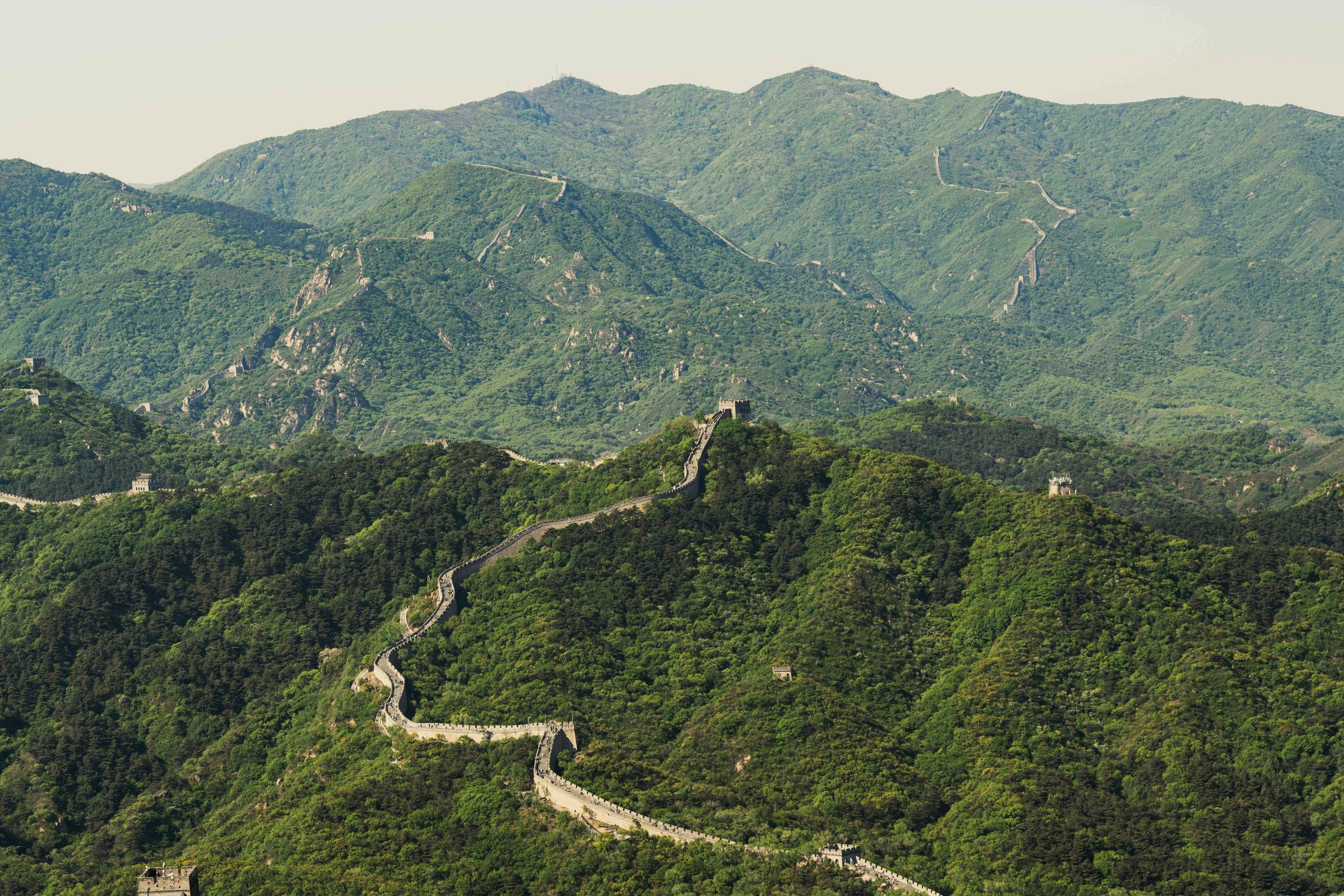
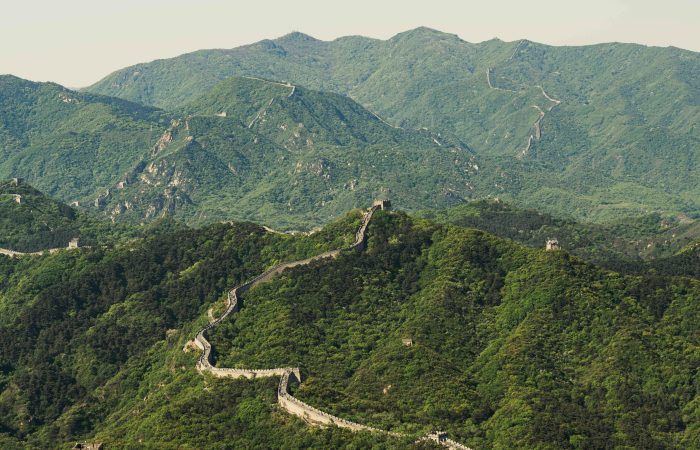
After breakfast, the drive northwest takes you to the Badaling Great Wall — the most visited and best-restored section, where the wall climbs steeply along a mountain ridge with watchtowers standing every few hundred metres. Your guide explains the military engineering, the beacon-fire communication system, and why this particular section has hosted foreign heads of state for decades. The walk is moderate — go as far as your legs want, then turn around.
Lunch is a local meal near the wall.
The afternoon returns to Beijing for a visit to the National Speed Skating Oval (*Bing Sidai*) — the Ice Ribbon, built for the Beijing 2022 Winter Olympics. Twenty-two glowing light trails wrap a futuristic glass facade that looks like it belongs in a science-fiction film. Inside, you tour the venue’s advanced ice-making technology and Olympic history exhibition, connecting Beijing’s ancient heritage to its 21st-century ambitions.
Dinner is the meal Beijing is famous for: Peking duck (*Beijing kaoya*) — lacquered-skin roast duck carved tableside, wrapped with scallion, cucumber, and sweet bean sauce. A proper finale to a day that spans two millennia.
After breakfast, the morning takes an unexpected turn into modern China at JD Asia No. 1 (*Jingdong Yazhou Yihao*) — one of the world’s most advanced automated warehouses. You watch robotic arms sorting packages, autonomous vehicles navigating warehouse floors, and AI-driven inventory systems running at a speed that puts the technology you saw in Xi’an’s ancient museums into sharp contemporary contrast.
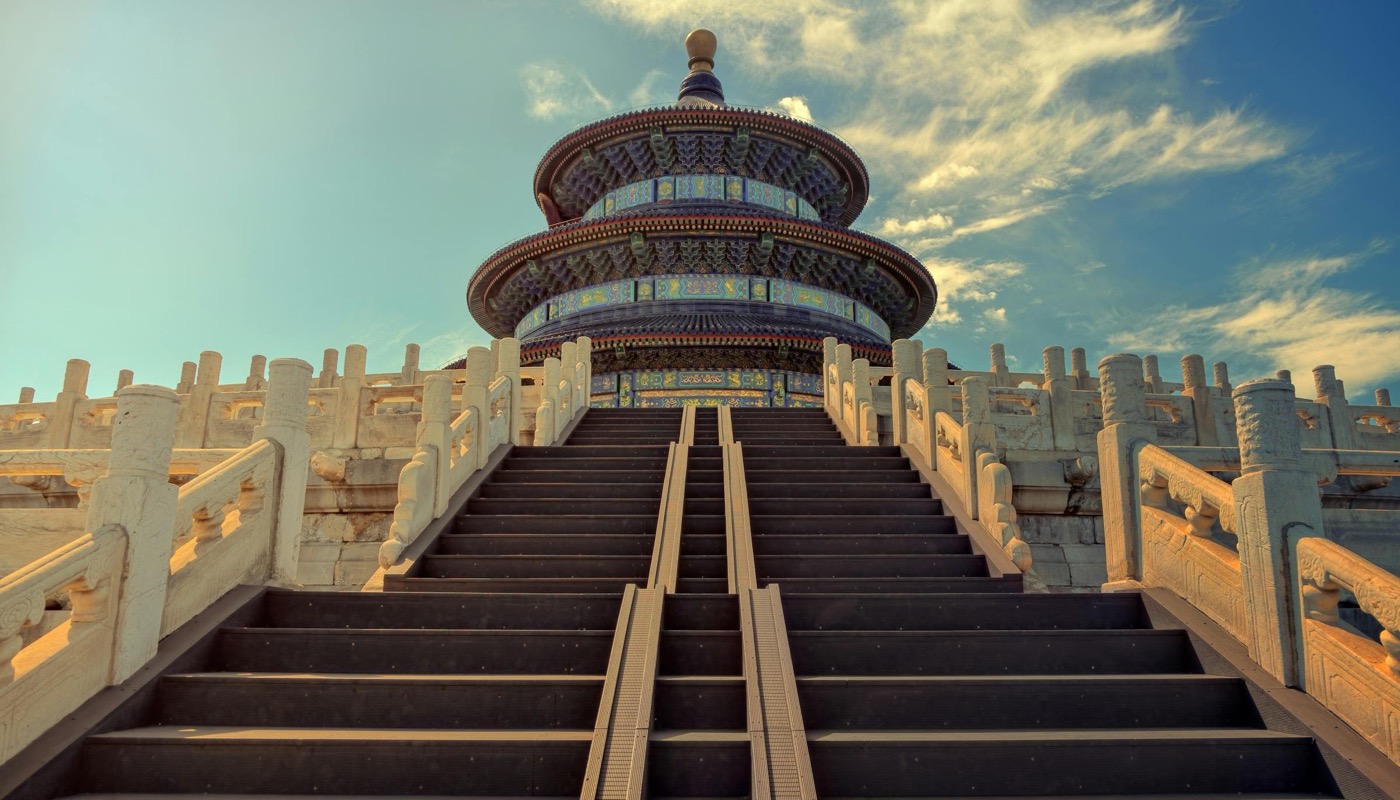
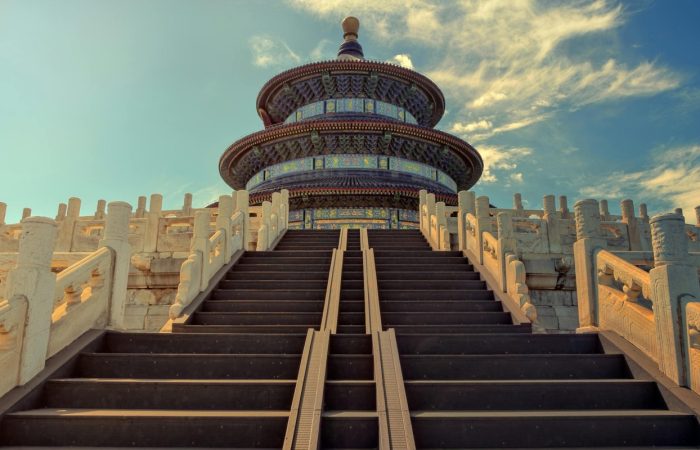
From the future, the day pivots to the ancient at the Temple of Heaven (*Tiantan*) — where emperors prayed for bountiful harvests for 500 years. The triple-roofed Hall of Prayer for Good Harvests, built entirely from wood without a single nail, is one of China’s most recognisable architectural icons. Your guide explains the acoustic engineering of the Echo Wall and the cosmological geometry embedded in every dimension of the complex.
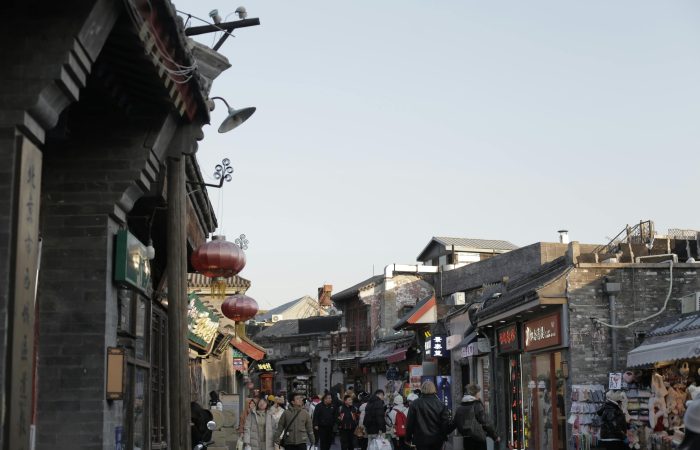
Lunch is nearby. The afternoon is a stroll down Qianmen Street (*Qianmen*) — a century-old pedestrian avenue with Qing-era shopfronts still selling silk, tea, and traditional medicine. Time to pick up Beijing souvenirs or simply absorb the streetscape of old commercial Beijing.
The final dinner is Beijing hotpot — a copper-pot feast to close the journey in the capital.
A final breakfast and a relaxed morning to pack and check out at your own pace.
Your driver takes you to Beijing Capital International Airport or Beijing Daxing International Airport, timed to your flight. The driver assists with luggage and confirms your departure details before the journey comes to a close.